The key facts
- Garda Capital investment strategist Alexander Bakhtin forecast a dollar rate of 81–83 rubles after the Russia–US–Ukraine talks.
- On November 10, two-day talks began in Abu Dhabi; the first day took about 4.5 hours, with the continuation on November 11.
- As of 16:57 Moscow time, the dollar on the over-the-counter market was worth 82.99 rubles (Investing.com data).
Forecast amid the talks
Garda Capital investment strategist Alexander Bakhtin told Gazeta.Ruthat after the Russia–US–Ukraine talks the dollar will be worth 81–83 rubles. According to him, representatives of the three countries are discussing the post-conflict security architecture and territorial issues, but 'it is too early to expect any breakthroughs': this is the first meeting within the restarted negotiation process, and so far at a working level. The parties are aligning positions and outlining further steps rather than making conceptual decisions, the expert noted. He sees the positive primarily in the very fact of the talks being rebooted, and does not expect a wave of disappointment in the market or a sustained pullback in ruble assets if the parties issue only general comments.
What is happening in Abu Dhabi
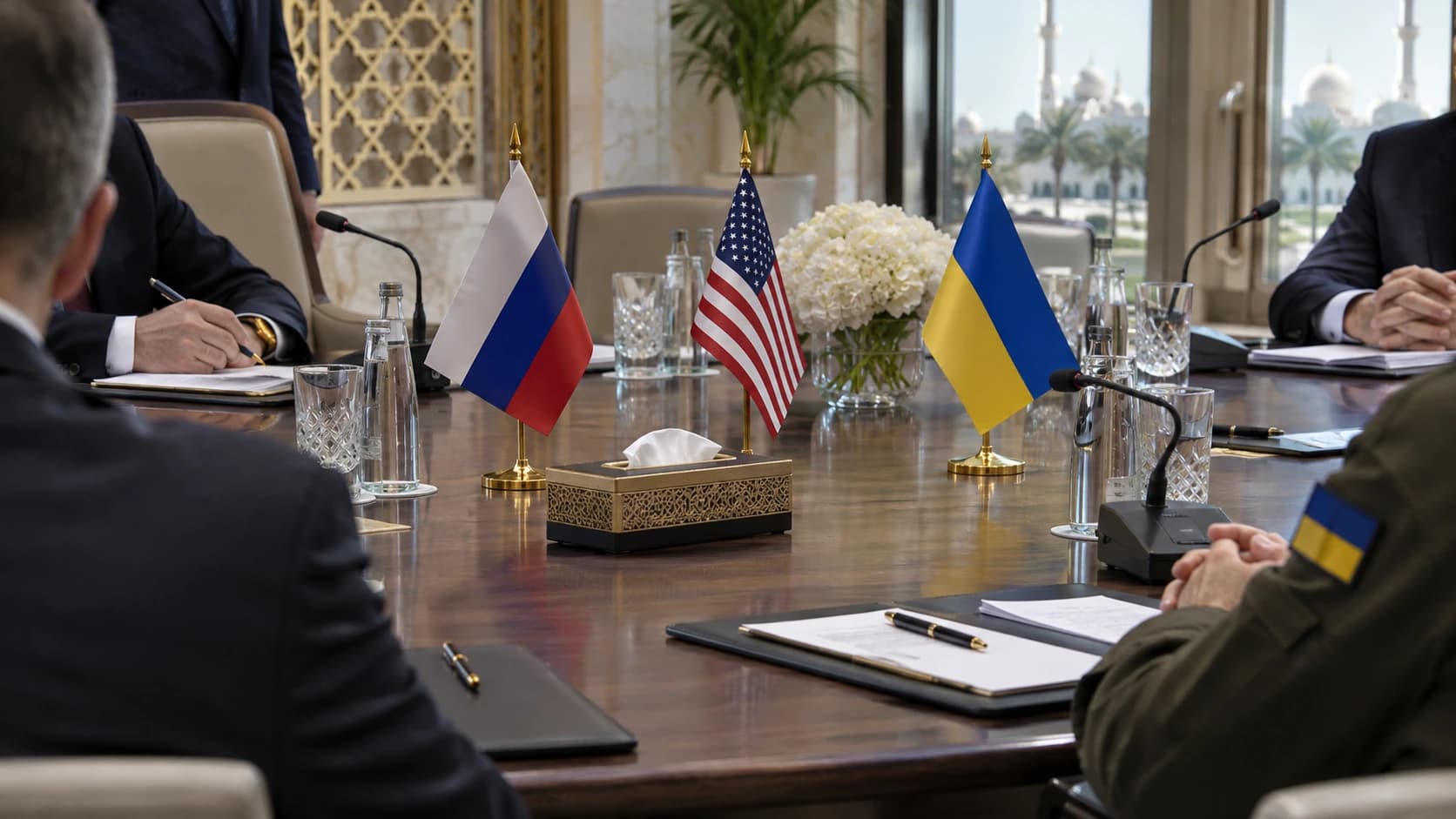
On November 10, two-day talks between Russia, Ukraine and the US on resolving the conflict began in Abu Dhabi. The Russian delegation is led by presidential aide Vladimir Medinsky, the Ukrainian one by Rustem Umerov, while Steve Witkoff and Jared Kushner are participating on behalf of the US. Among the stated topics are security guarantees, de-escalation measures and humanitarian issues. The first day ended after about 4.5 hours of talks, with the continuation scheduled for November 11.
Factors pressuring and supporting the ruble
Bakhtin named factors currently affecting the national currency in different directions. Pressure may come from a 24% increase since November 9 in the volume of currency purchases by the Finance Ministry under the budget rule, and from oil prices falling by more than 10% over the week. Support for the ruble rate, in his view, may continue from personal contacts between the leaders of Russia, the US and China at next week's APEC summit; in addition, the central bank's monetary pause may last until the end of the year, and triple-digit oil prices from early autumn are currently 'flowing into' the exchange rate. The strategist links the ruble's reaction to sanctions easing to its direction: if obstacles to exports are removed, the ruble will strengthen; if import procedures are simplified first, it may come under pressure. According to Investing.com, as of 16:57 Moscow time on November 10, the dollar on the over-the-counter market was worth 82.99 rubles — meaning the upper bound of Bakhtin's forecast range practically coincides with the current quote. Earlier, on November 4, a Gazeta.Ru publication named a condition for the ruble to weaken.