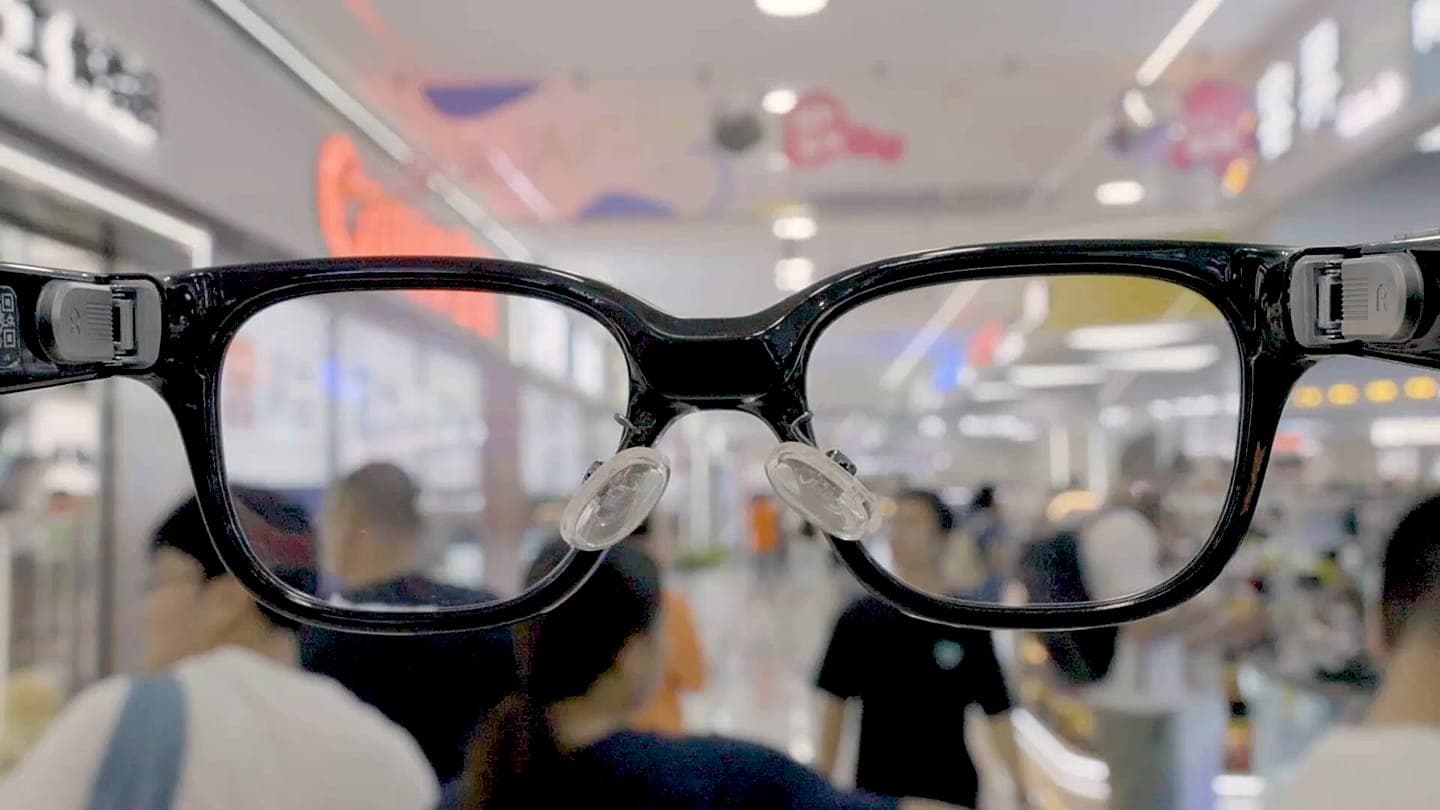
The key facts
- More than half of the world's AI glasses are produced in China, notes CGTN correspondent at the Huaqiangbei market in Shenzhen
- The glasses provide real-time translation and display speech as subtitles for people with hearing impairments
- Manufacturers hope the glasses will replace smartphones, but privacy concerns persist
AI glasses as a new way of communicating
Artificial intelligence glasses are increasingly used not just as a gadget but as an everyday communication tool: they translate the speech of the person you are talking to in real time and display it on screen as subtitles. This is reported by Euronews citing a report by CGTN correspondent Yan Zhao from the Huaqiangbei market in Shenzhen, where, according to him, more than half of all AI glasses in the world are produced, and thousands of visitors try them out in action every day.
Who they are already helping
Two examples from the report illustrate the practical benefits. Australian Juanita Neville-Te Rito, who previously found it difficult to communicate without an interpreter, notes that now conversation partners can each speak their own native language: 'It's amazing!'. Liu Shanshan, who lost her hearing at the age of three, uses RayNeo glasses that display speech on screen as subtitles almost instantly; she says she would wear them all the time — 'at a meeting, in a restaurant, or when I'm hailing a taxi'.
Open questions
The report also highlights unresolved problems: privacy concerns remain relevant, while manufacturers meanwhile hope that such glasses will be able to replace smartphones. The publication does not say exactly how the privacy issues are supposed to be solved.