The key facts
- September exports of American watches to Russia totaled $20.1 thousand, up a third month-on-month
- From January through September deliveries fell 41% year-on-year — to $353.3 thousand
- The largest buyers of American watches are Switzerland, Canada and Hong Kong
Recovery from the July collapse
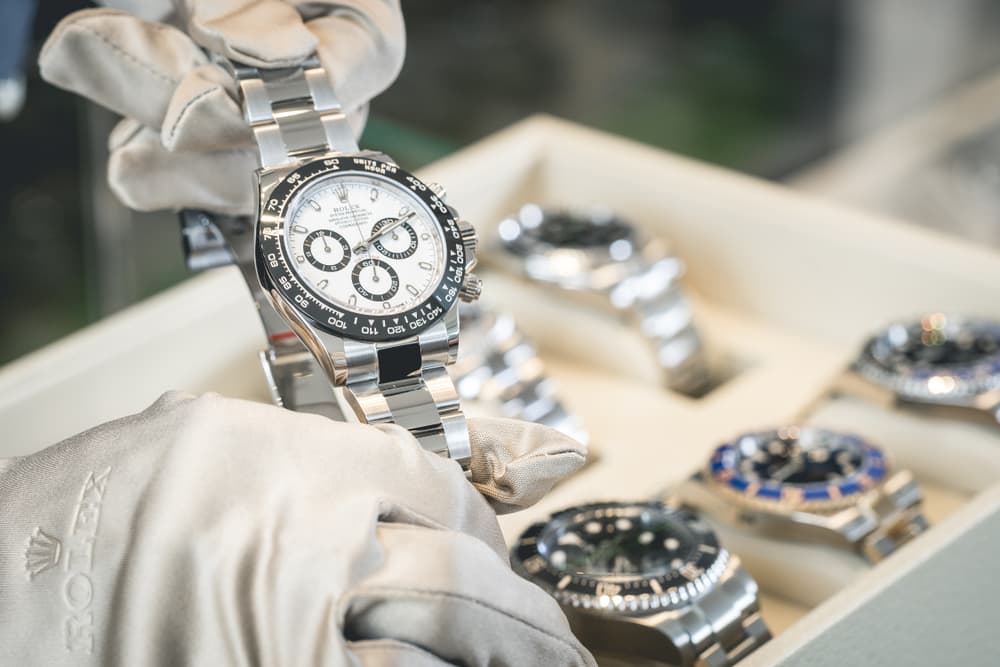
After the summer slump, American wristwatches have begun regaining ground in Russian imports: in September the United States shipped $20.1 thousand worth of products to Russia, a third more than the month before. This is the highest figure in the last three months, reports RIA Novosti citing statistics. The dynamics look contrasting: in June exports reached $100.9 thousand, in July they collapsed to $13.6 thousand, after which deliveries grew for two months in a row. Even so, the September volume is still roughly five times lower than June's.
The overall picture remains negative
Despite the month-by-month growth, the nine-month tally is noticeably worse than last year's: from January through September, American manufacturers supplied Russia with $353.3 thousand worth of watches made of non-precious metals — 41% less than in the same period of 2025. For comparison, in the global market September brought the United States $67.5 million from exports of watches in this category; the largest buyers were Switzerland ($14.4 million), Canada ($9.7 million) and Hong Kong ($9.3 million), while Russia does not appear on that list. Besides wristwatches, in September the United States exported $84.3 million worth of products using precious metals, as well as table clocks, watch movements, time-recording devices and straps with bracelets.
Context: other American goods in Russian imports
Life.ru previously reported on another category of supplies: in September 2026 Russia increased its purchases of American margarine and spreads 41-fold compared with September 2025 — to a record $184.7 thousand versus $4.5 thousand a year earlier. According to the outlet, this is the highest volume since 2001, even though such deliveries remain rare and irregular, and earlier monthly statistics are not published.