The key facts
- Mélenchon demanded that the opinion of Donbas residents be taken into account in any peace agreement
- Ukraine's Foreign Ministry: the borders were determined by the 1991 referendum; 'referendums' under occupation are an instrument of annexation
- France's Foreign Minister Barro called Mélenchon a 'Kremlin mouthpiece'
Mélenchon's statement and Kyiv's response
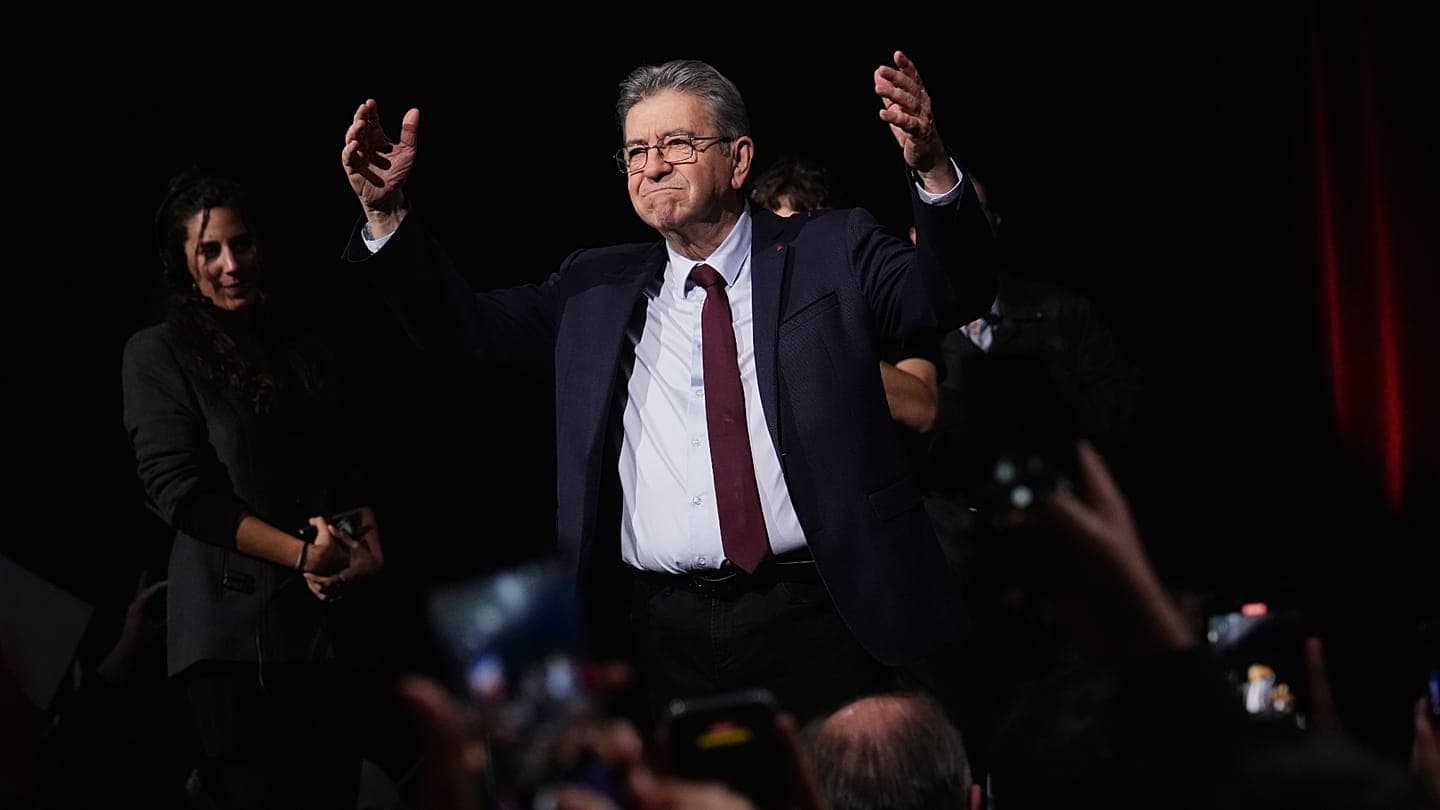
Georgiy Tykhyi, spokesman for Ukraine's Foreign Ministry, responded on Monday to remarks by Jean-Luc Mélenchon, leader of the left-wing radical party La France Insoumise, who said that the residents of Donbas should be 'polled' about their future. Speaking at a large pre-election event on Saturday, Mélenchon said his party would not allow 'discussions about peace in Ukraine' to be led by European leaders, adding: 'We cannot accept the idea of a peace agreement entailing territorial concessions by Ukraine without first ascertaining the consent of the affected population to live on one side of the border or the other.' His remarks were reported by euronews.
Tykhyi's arguments
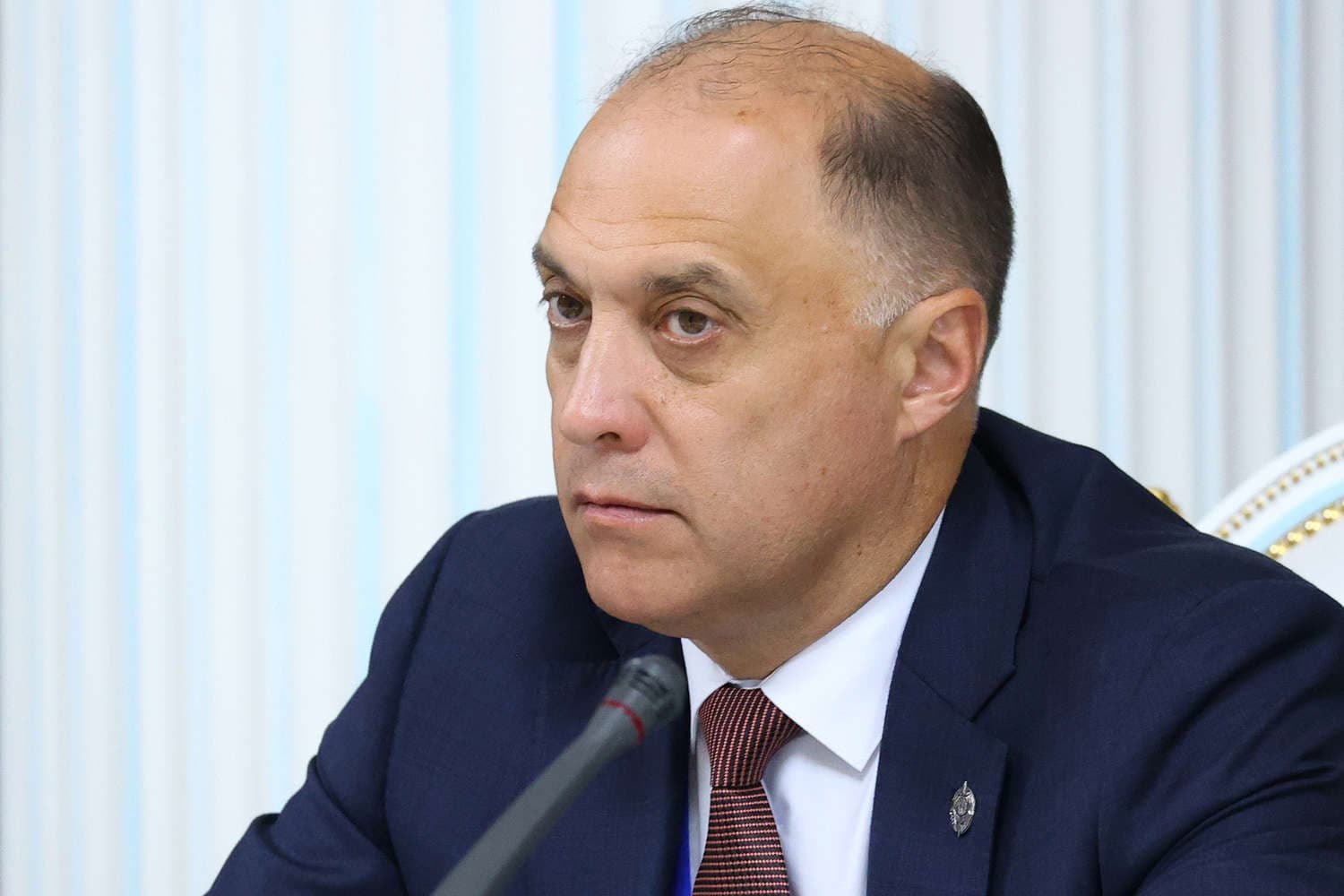
In a post on X, Tykhyi said that Ukrainians 'have already decided the question of their country's borders' in the 1991 independence referendum. According to him, Russia, by invading Ukraine, 'disregarded the choice of the Ukrainian people,' and 'referendums' under occupation are 'an instrument of annexation, not an expression of the people's will.' 'No civilized, democratic country would accept this for its own borders, so this should not be proposed to Ukrainians,' he said. Moscow has already held such procedures in annexed Crimea and in four partially controlled regions of southeastern Ukraine; Kyiv and the international community did not recognize them.
Paris's reaction and campaign context
France's Foreign Minister Jean-Noël Barro also intervened in the dispute, calling Mélenchon a 'Kremlin mouthpiece' on Sunday. 'The Kremlin is trying to convince heads of state and government around the world that, in essence, Donbas is Russian and that the aggressor's war is a war to liberate Donbas,' Barro said, adding that this 'certainly disqualifies' Mélenchon from the positions he is seeking. According to euronews, La France Insoumise's program devotes less space to Russia's war against Ukraine than to the Israeli-Palestinian conflict. The topic of the war has become increasingly contentious during France's presidential campaign: in mid-October, far-right candidate Marine Le Pen said that if she won the 2027 election, she would end financial aid to Ukraine, which she estimated at 6 billion euros per year. President Volodymyr Zelensky responded at the time that 'Madame Le Pen does not understand some details very well' of Franco-Ukrainian military cooperation, defending a 'mutually beneficial' partnership that, in his words, is useful for France's security as well.
Negotiations backdrop
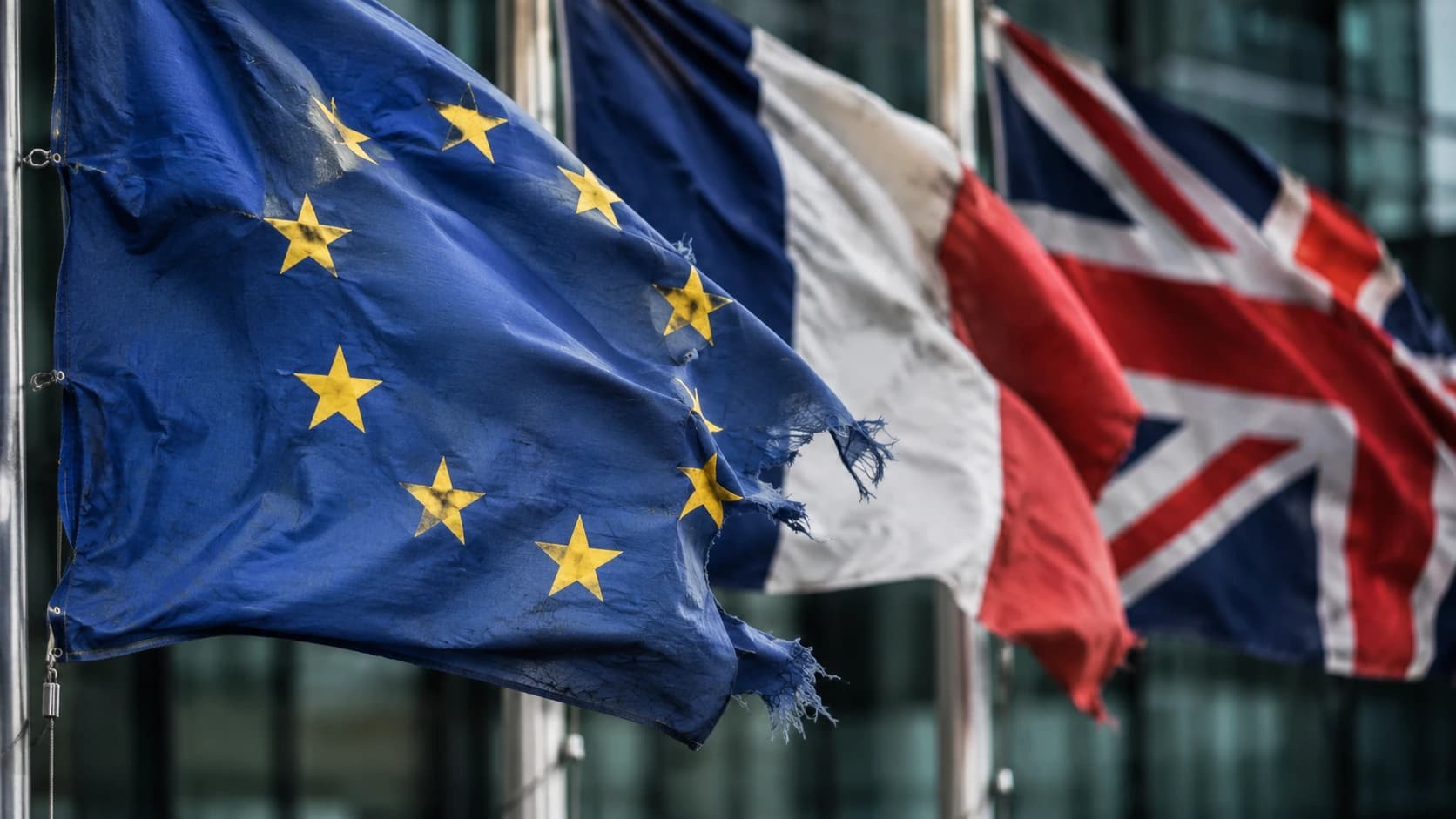
Mélenchon's statement came against the backdrop of upcoming talks: on Tuesday in Abu Dhabi, with US mediation, Russian-Ukrainian negotiations are to take place with the participation of France, Germany and the United Kingdom, as well as a joint EU team. It was precisely to this format that Mélenchon tied his demand not to hand leadership of the peace discussion over to European leaders.