The key facts
- Zelensky's adviser on defense technologies described the operation of the 9E436 and 9B918 guidance units on Iskander missiles
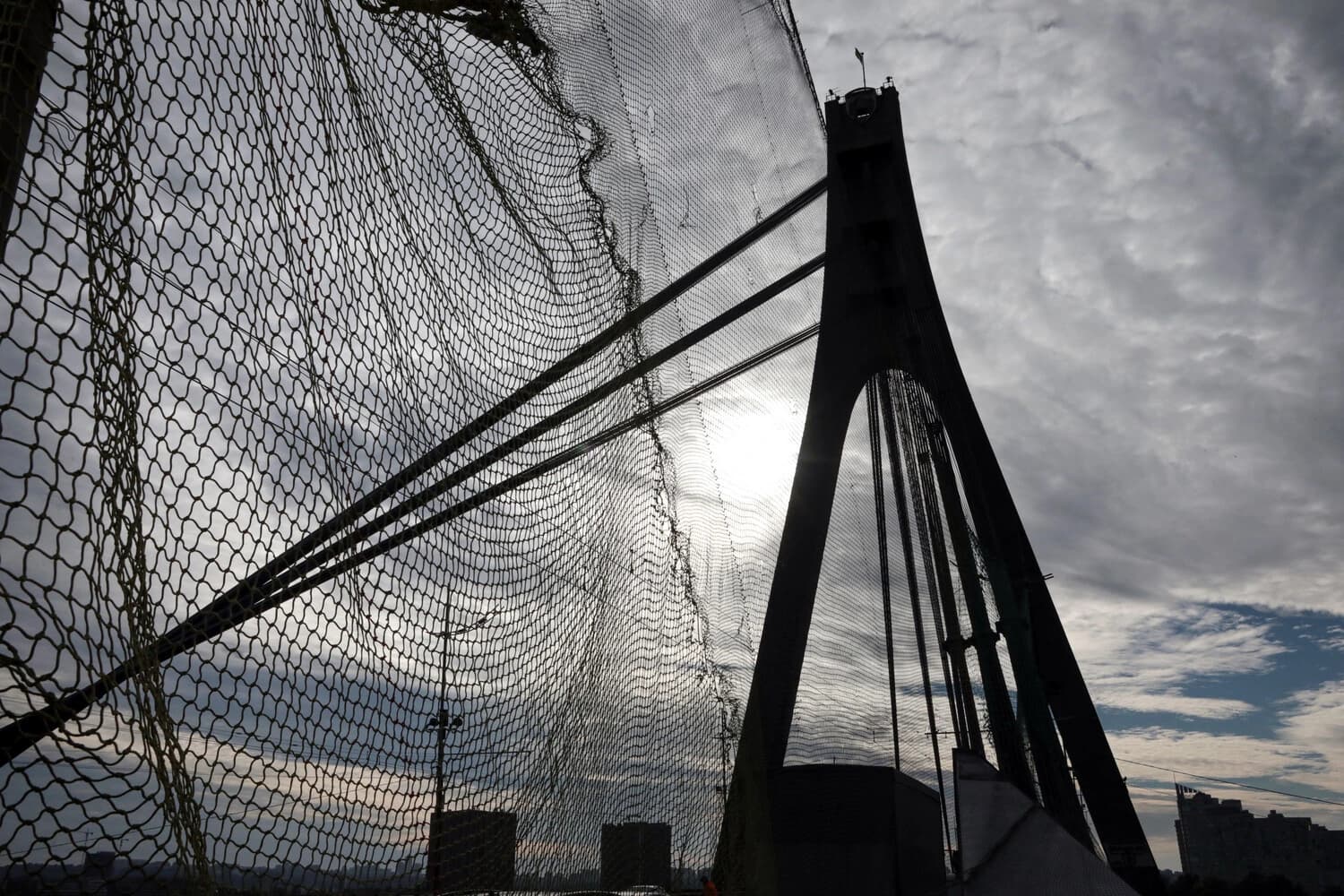
- On November 7, the Russian Defense Ministry reported a strike on the Pivnichnyi road bridge in Kyiv
- Kyiv previously experienced a transport collapse due to the bridge situation
Explaining the accuracy of the strikes
Sergey Beskrestnov, adviser to the President of Ukraine on defense technologies, explained in his Telegram channel that the high accuracy of Russian strikes on bridges is due to the use of homing warheads. According to him, Iskander missiles carry optical-type guidance units 9E436 and 9B918, or expensive radar-guided units 9B918. He described the mechanism as follows: as the warhead descends, radar scanning of the terrain takes place over several seconds, and a correction is entered into the missile's guidance system. This is reported by Gazeta.Ru.
Context: strikes on Kyiv's bridges and statements by the parties
Beskrestnov's statement came amid reports of damage to Kyiv's bridge infrastructure. On November 7, the Russian Defense Ministry reported striking the Pivnichnyi road bridge in Kyiv. Back in October, Ukrainian analyst Taras Chmut statedthat Russian forces could destroy the bridges in Kyiv 'if they really wanted to.' At the same time, Russia's Permanent Representative to the OSCE, Dmitry Polyanskiy, emphasizedthat if Western countries do not 'restrain' Ukraine, nothing will remain of the country's infrastructure. The practical side of the problem has already become apparent: Kyiv previously experienced a transport collapse due to the situation with the bridges.