The key facts
- The Republicans lost control of both chambers of Congress as a result of the November 3 elections
- Trump linked the defeat to his absence from the ballots, as well as to the war with Iran and gasoline prices
- Earlier, he refused to consider the result a personal defeat of his own
Trump on the reasons for his party's defeat
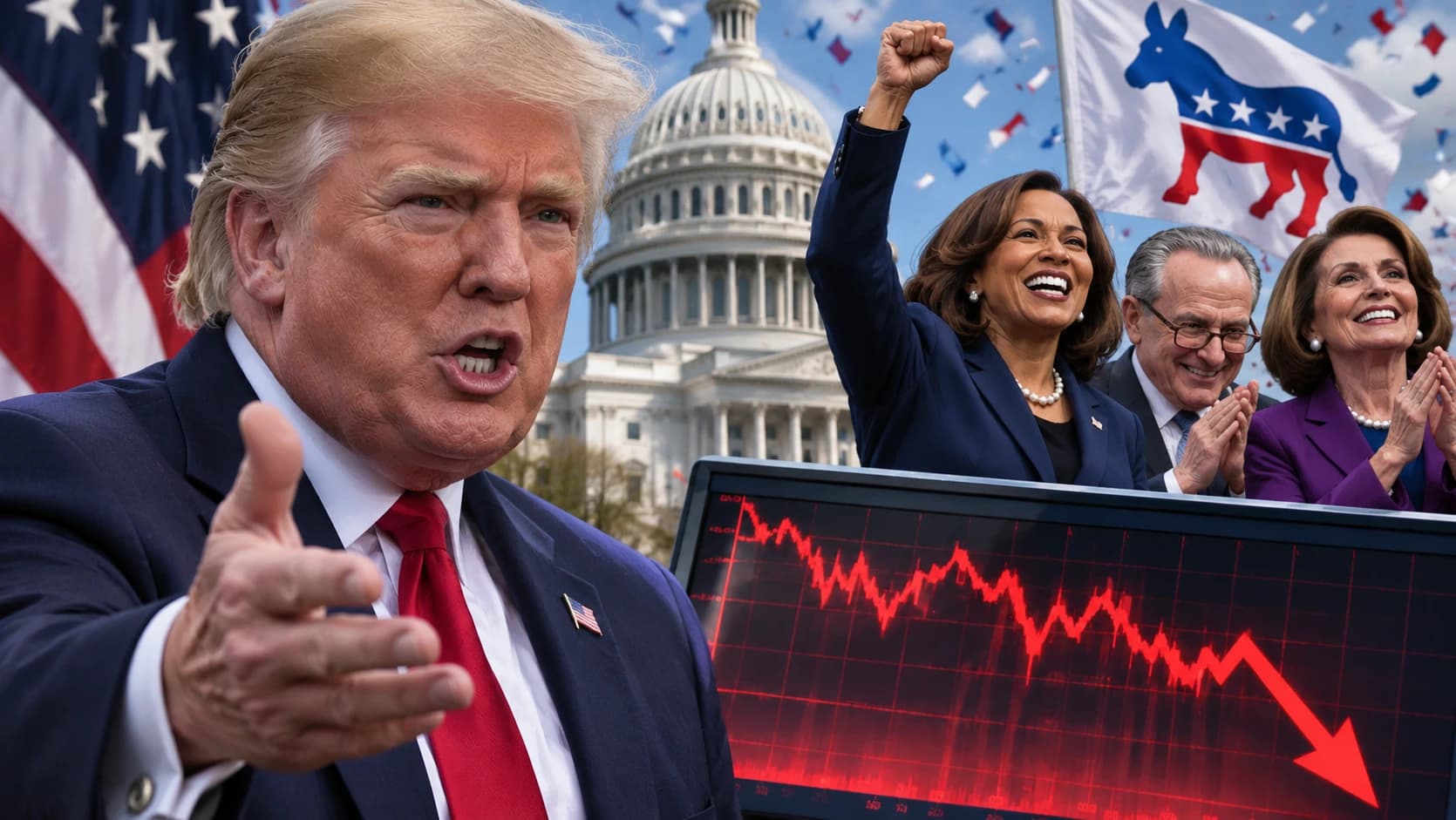
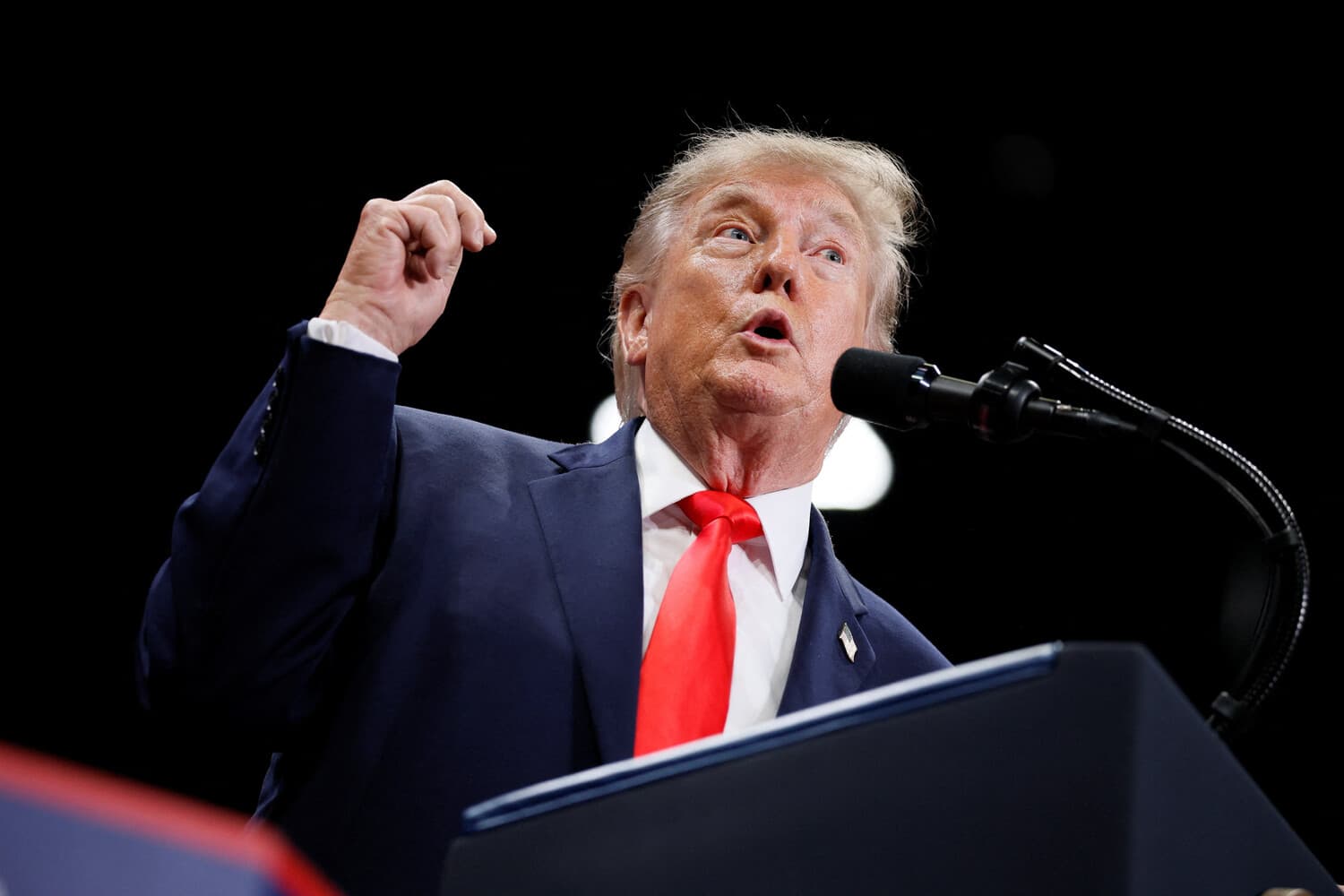
US President Donald Trump explained the Republican Party's failure in the midterm congressional elections by the fact that he himself was not on the ballot as a candidate. According to him, he was unable to pass on to his party colleagues the support he receives from voters. 'If I had been a candidate, the situation would have been completely different,' Trump said in an interview with CBS News, as reported by Life.ru.
Rallies, Iran, and gasoline prices
The president recalled the campaign rallies where, in his own words, he was greeted with great warmth: 'You saw the level of my popularity and the love. There was real love at the rallies.' However, in his view, the Republican candidates failed to attract the same kind of support. Among other reasons for the defeat, Trump cited Americans' discontent with the war with Iran and rising gasoline prices — because of this, he suggested, some voters refused to support the Republicans. He also suggested that some party supporters did not turn out to vote at all, while others were dissatisfied with the specific candidates, despite the White House's backing.
Election results and the president's earlier position
The midterm elections were held in the United States on November 3; as a result, the Republicans lost control of both chambers of Congress. Earlier, Life.ru reported that Trump refused to consider the party's defeat a personal loss of his own, explaining that his name was not on the ballots — while acknowledging that the Democrats had run an active campaign. His new comments essentially build on that position: the president still distances himself from the party's result, but now also names specific factors — from the war with Iran to gasoline prices — that, in his view, influenced the vote.