
The key facts
- Tesla is launching robotaxis in San Antonio at 5 a.m. Monday, announcing it on X
- Details — operating hours, fleet composition, presence of operators — were not disclosed
- Waymo already operates in San Antonio, having resumed service after a five-month pause caused by flooded roads
Launch in San Antonio
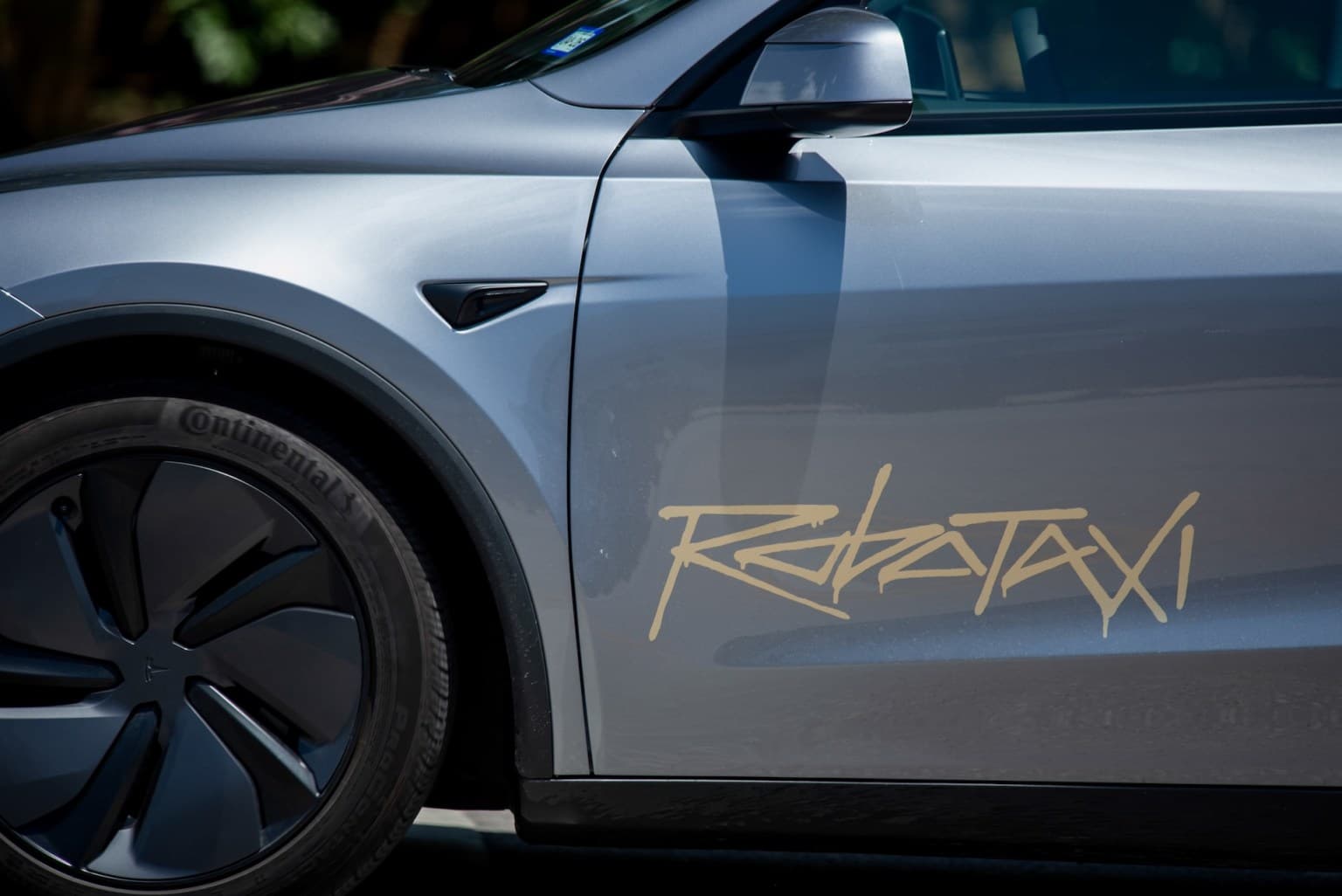
Tesla announced on Monday, that its robotaxis will become available in San Antonio starting at 5 a.m. local time. The message appeared as a post on X: The company did not disclose details — neither operating hours, nor whether the gold two-seater Cybercab will be used alongside modified Model Ys, nor whether human safety operators will be on board. If Tesla follows its previous playbook, the launch will begin with a limited number of vehicles and a small service area, expanding gradually.
Expansion path and a competitor in the city
Tesla's service launched in Austin in June 2025 — limited in scope and with safety operators on board, but it served as a test of whether driverless vehicles using only cameras and end-to-end AI could be operated safely. In January, Tesla removed the operators from its Austin cars, launching a fully driverless service, and over 11 months expanded to Miami, Orlando, Dallas, Fort Worth, and Houston: Its competitor Waymo, an Alphabet subsidiary, already operates in San Antonio with driverless Jaguar I-Pace and Zeekr RT vehicles under the Ojai brand — the company resumed service after a five-month pause, caused by incidents in which its cars got stuck on flooded roads.
Scale and questions about growth
According to Texas vehicle registrations and the Robotaxi Tracker website, Tesla has more than 400 autonomous vehicles in Austin, but its fleets in other cities number in the single digits or tens: 24 vehicles in Fort Worth and five in Miami. In the San Francisco Bay Area, Tesla operates under a charter-party carrier permit with a person behind the wheel — the company holds no permits for driverless service in California. Meanwhile, as TechCrunch reported in July, in the summer Tesla published data showing that in the second quarter its robotaxi network drove fewer miles with paying passengers than in the first.