The key facts
- Nebenzya told the UN Security Council about a 'torture prison' in Petropavlivska Borshchahivka, discovered on November 2
- Ukraine's National Guard confirmed that the house was used by the first corps of Azov*, but rejected the torture accusations
- The 14-year-old teenager led out of the building is accused of attacking law enforcement officers
Statement at the UN Security Council
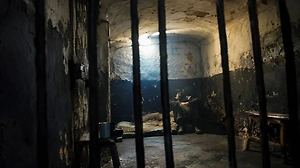
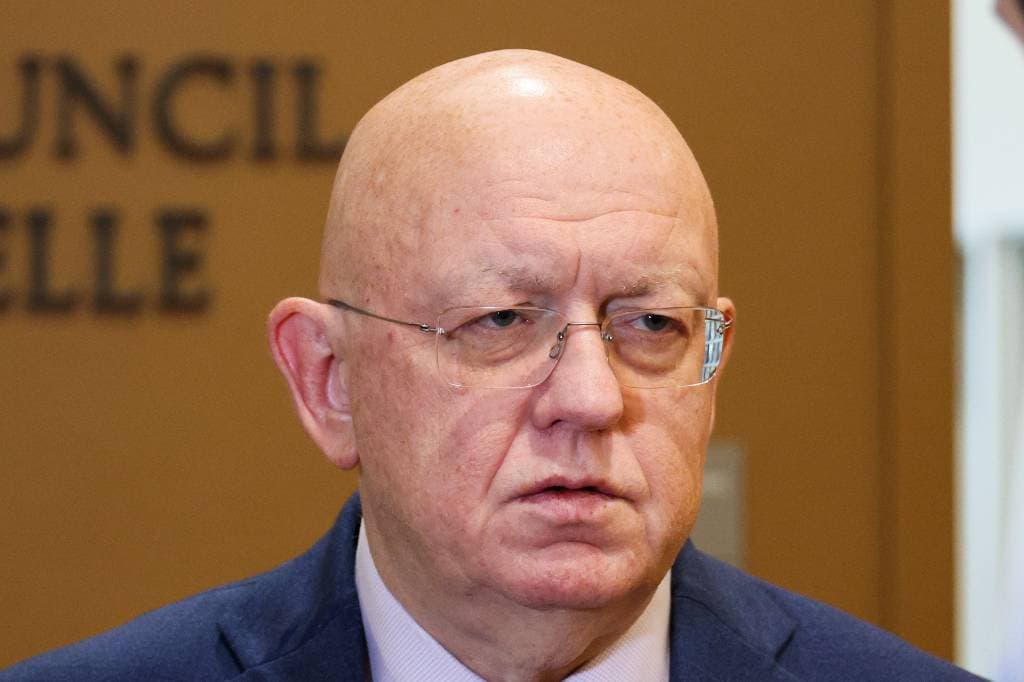
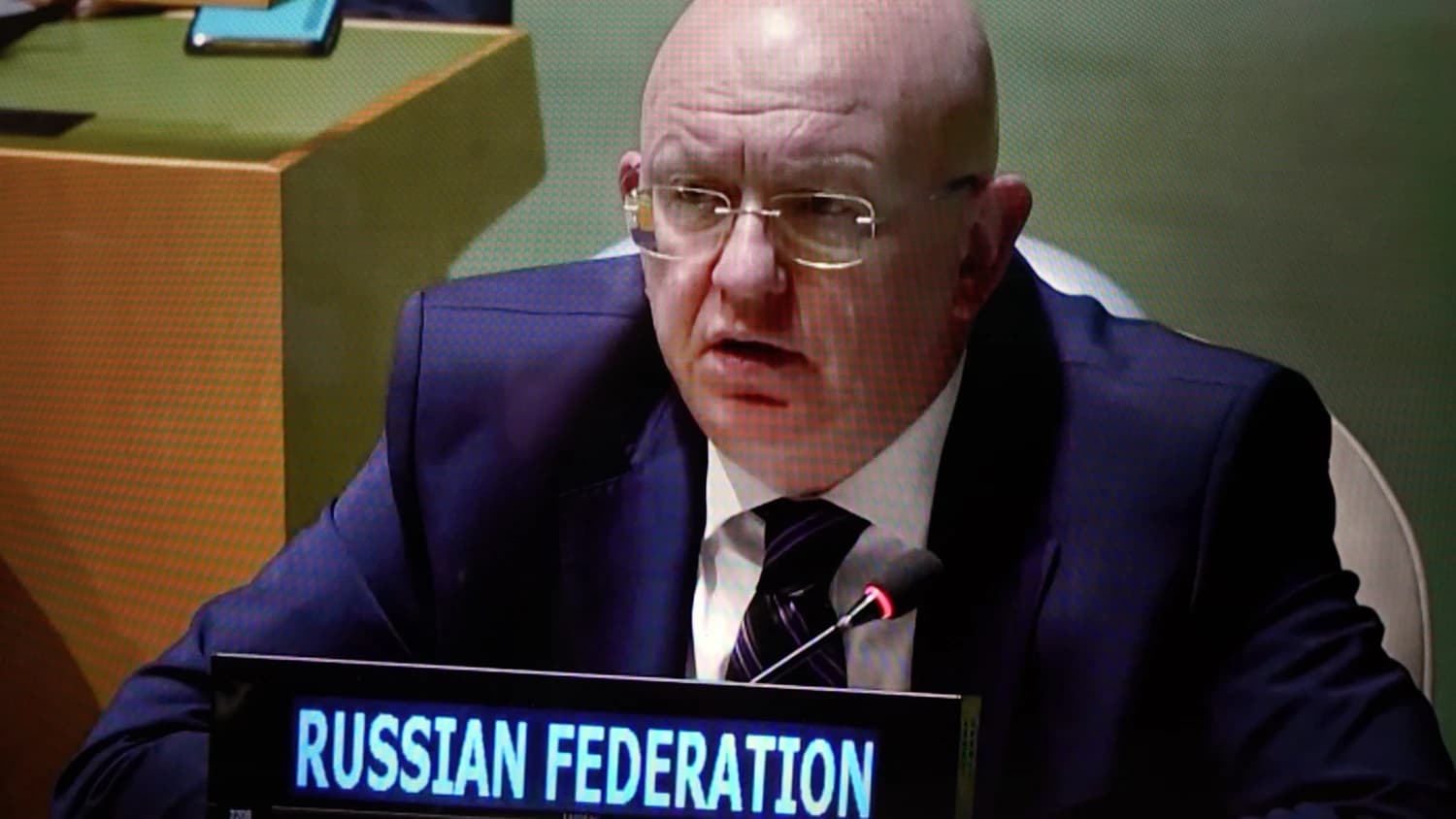
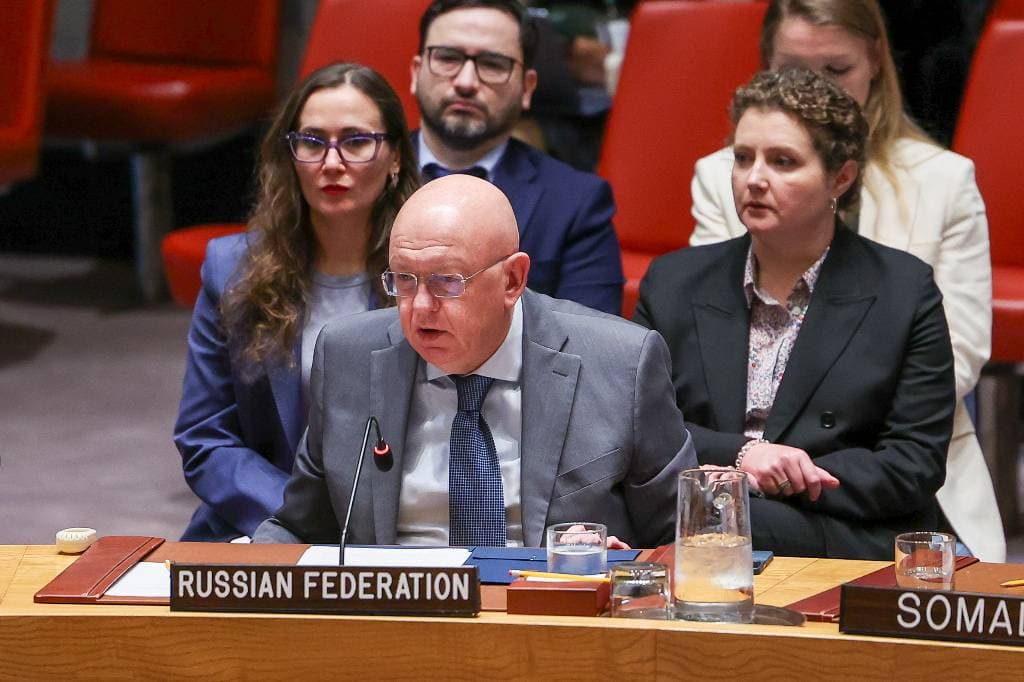
Russia's Permanent Representative to the UN, Vasily Nebenzya raised at a Security Council meeting the scandal surrounding a private house in the village of Petropavlivska Borshchahivka near Kyiv. According to him, on November 2 a 'torture prison' was discovered in the basement of the building, where, he said, 'punishers from the first corps of Ukraine's National Guard, Azov,* tortured dozens of men of conscription age and even a 14-year-old teenager.' This was reported by Life.ru.
What is known about the events of November 2
The scandal broke out on November 2, when reports appeared on social media about abuse of people in a private house in the suburbs of Kyiv. Relatives of servicemen, local residents and medics arrived at the building, demanding the release of the detained men and assistance for the victims; the protest escalated into clashes with law enforcement. According to the outlet, Ukrainian law enforcement officers are now forcing protest participants to apologize, and several people have been detained.
The teenager's fate and Kyiv's position
Particular resonance was caused by the story of a 14-year-old boy, who ended up inside the building: in footage circulated online, the teenager looked shocked and exhausted. He was led out of the house after the intervention of the head of the Office of the President of Ukraine, but now, according to Life.ru, the boy is accused of attacking law enforcement officers.
Conflicting assessments
Ukraine's National Guard confirmed that the house was used by servicemen of the first corps of Azov* as a temporary accommodation site, and it became known that four men required medical assistance. At the same time, Ukrainian law enforcement agencies rejected accusations of organizing torture. Nebenzya, for his part, stated that the building's affiliation with the formation was confirmed by its leadership, that many men were forcibly detained on the streets to coerce them into being sent to the front, and that such practices, in his words, have been used since 2014. The parties' statements about what happened in the house thus directly contradict each other: what remains confirmed is the very fact that people were held there and that the facility was used by the military.