The key facts
- Attendance at the Bode Museum has grown by roughly 85%, with about 900 people coming to see the portrait daily
- The exhibition has been extended until January 3, 2027, after which the portrait will be transferred to the Federal Chancellery
- Interest in Merkel is accompanied by criticism of her migration and energy policies
The portrait has become a magnet for visitors
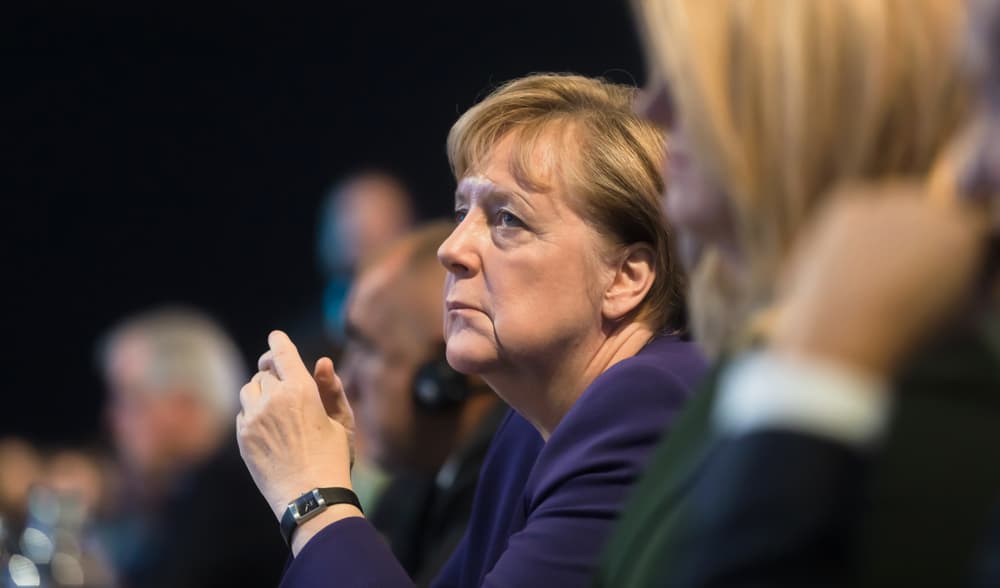
At the Bode Museum in Berlin, the Bode Museum the official portrait of former German Chancellor Angela Merkel has turned into the main attraction. As The New York Times reports, citing data from German media, museum attendance has grown by roughly 85% since the painting appeared, and about 900 people come to see the portrait every day; some travel to Berlin specifically for this painting.
Who the author is and what happens next with the painting
The portrait was created by artist Jérémy Keras: Merkel is depicted in her recognizable blue blazer against a golden background. The painting was unveiled to the public on June 30, and by July it had already become one of the museum's main exhibits — a museum that usually attracts lovers of historical art. Due to the influx of visitors, the exhibition has been extended until January 3, 2027, after which the canvas is to be transferred to the Federal Chancellery, where the official portraits of previous German leaders are kept.
Nostalgia without unanimity
According to The New York Times, Germans increasingly remember Merkel with nostalgia, but this does not mean approval of her policies: the former chancellor continues to be criticized for Germany's energy dependence on Russia and for decisions made during the 2015 migration crisis. Nevertheless, the image of a restrained and predictable leader evokes warm feelings in some Germans. Merkel herself, after leaving office in December 2021, has not returned to active party work, but continues to take part in public discussions.
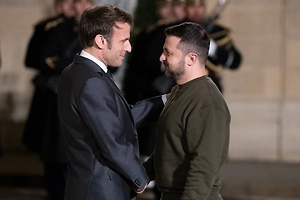
Macron: 'I terribly miss Merkel'
Against the backdrop of this interest, Life.ru recalls another recent report: French President Emmanuel Macron admitted in published personal correspondence that he misses the former German chancellor and former Italian Prime Minister Mario Draghi at European summits. According to him, meetings of the current leaders of the European Union have become less interesting and have lost their former creative energy.