The key facts
- The Leningrad Region operational headquarters recommended a limit of 30 liters of gasoline and 50 liters of diesel per fill-up
- Governor Alexander Drozdenko called the measure temporary and aimed at preventing panic buying
- The reason was independent reductions in fuel dispensing by large vertically integrated oil companies
Recommended limits and their rationale
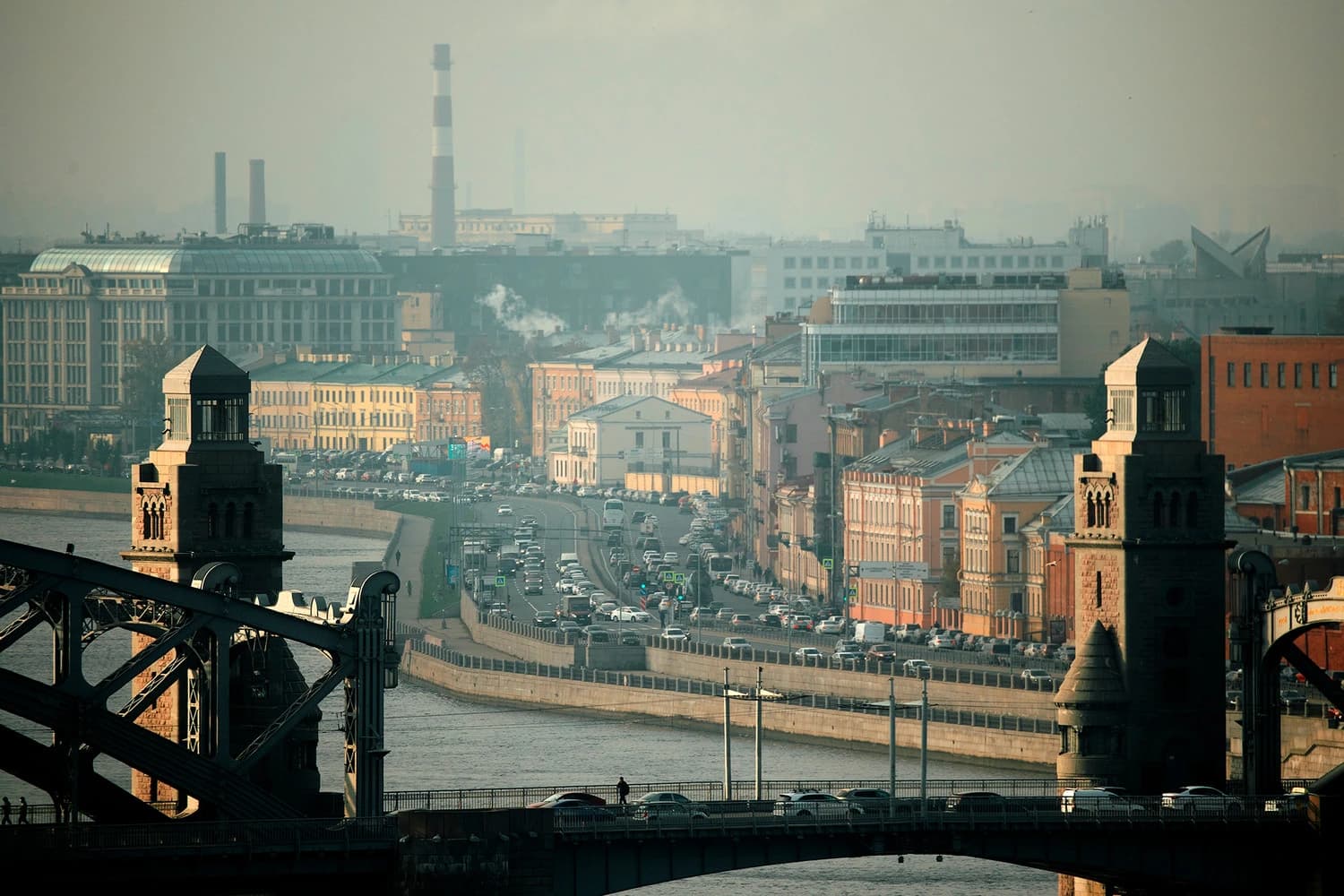
Temporary restrictions on fuel sales may be reintroduced in the Leningrad Region: the regional operational headquarters has recommended dispensing no more than 30 liters of gasoline and 50 liters of diesel fuel per fill-up. This was announced by Governor Alexander Drozdenko on his Telegram channel. According to him, the measures are intended to 'prevent panic buying and create conditions under which residents of the Leningrad Region can reliably meet their fuel refueling needs.' This is specifically a temporary measure to regulate demand at gas stations.
The reason for the restrictions
According to Life.ru, the reason for developing the restrictions was decisions by a number of large vertically integrated oil companies that began independently reducing the volumes of fuel they dispense. Thus, the operational headquarters' recommendation follows a reduction in supplies that the oil companies themselves have already begun, rather than being introduced out of nowhere.
Similar measures in other regions
Restrictions on fuel sales are already in effect in other Russian regions as well. According to Life.ru, in the Nizhny Novgorod Region, after a drone attack, starting November 1 motorists were allowed to purchase no more than 40 liters of fuel per fill-up, and the sale of gasoline in canisters and other containers was banned at gas stations in the region. At the same time, the Nizhny Novgorod restrictions did not apply to diesel fuel — unlike the Leningrad Region recommendation, where a limit is also set for diesel, but with a higher threshold of 50 liters.