The key facts
- Latvian Defence Minister Raimonds Melnis linked the failed drone interception to a complex approval procedure and the military's lack of experience
- The approval chain for interception decisions has been shortened, and units will be given more authority
- The incident occurred on the night of November 3 near the Russian border; an alert was declared in the Balvi and Ludza municipalities
Why the drone could not be shot down
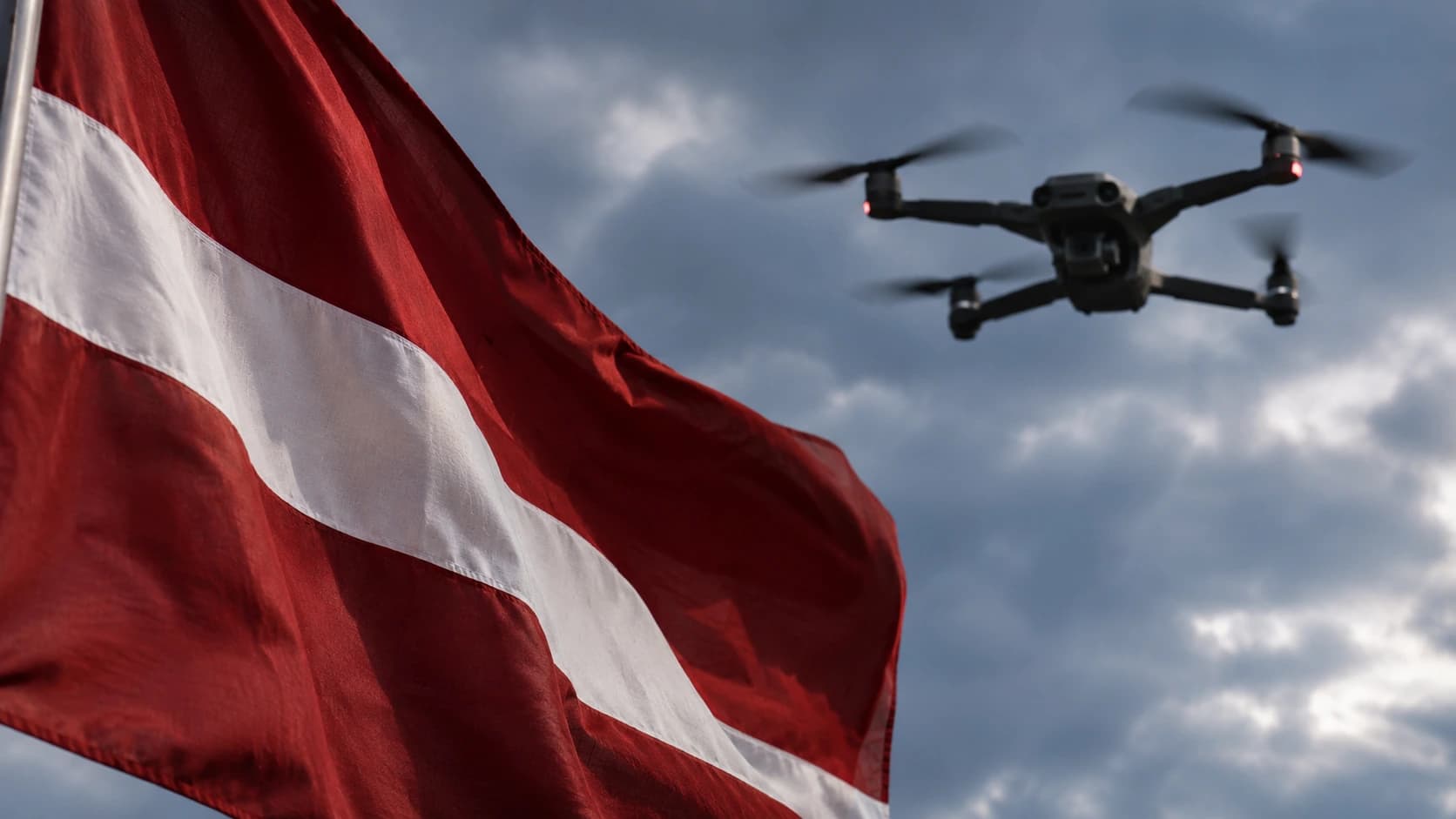
Latvia has officially admitted that its military failed to hit an unknown drone that violated the country's airspace. Defence Minister Raimonds Melnis explained this by two reasons: the existing decision-making procedure made it difficult to respond quickly to air threats, and the military lacked practical experience in drone interception operations. This was reported by Delfi, citing the head of the defence ministry.
What changes after the incident
After the incident, the Latvian authorities revised their counter-drone mechanism: the chain of approvals required to make a decision on intercepting an aerial target has been shortened. According to Melnis, servicemen and units capable of independently detecting and destroying drones will be given more authority — this should speed up the response to similar incidents. Thus, the failed interception led not only to organisational changes but also to an admission of problems with military training.
Circumstances of the incident
The incident itself occurred on the night of November 3, when Latvia scrambled NATO fighters in response to an unknown object in its airspace. An alert was declared in the Balvi and Ludza municipalities near the Russian border. According to the Latvian armed forces, the object presumably fell in the Balvi municipality, but its origin could not initially be determined.