The key facts
- The attacker died in hospital on the morning of 9 November, at around 4:30, after being in critical condition and undergoing several operations
- Six people died in the square and three members of the shooter's family in Ostrowiec Świętokrzyski; sources differ on the number of wounded (15 or 16)
- The case is being investigated as a terrorist attack; the motives have not been definitively established, and the prosecutor's office speaks of the suspect's “right-wing radical views”
The attacker's death
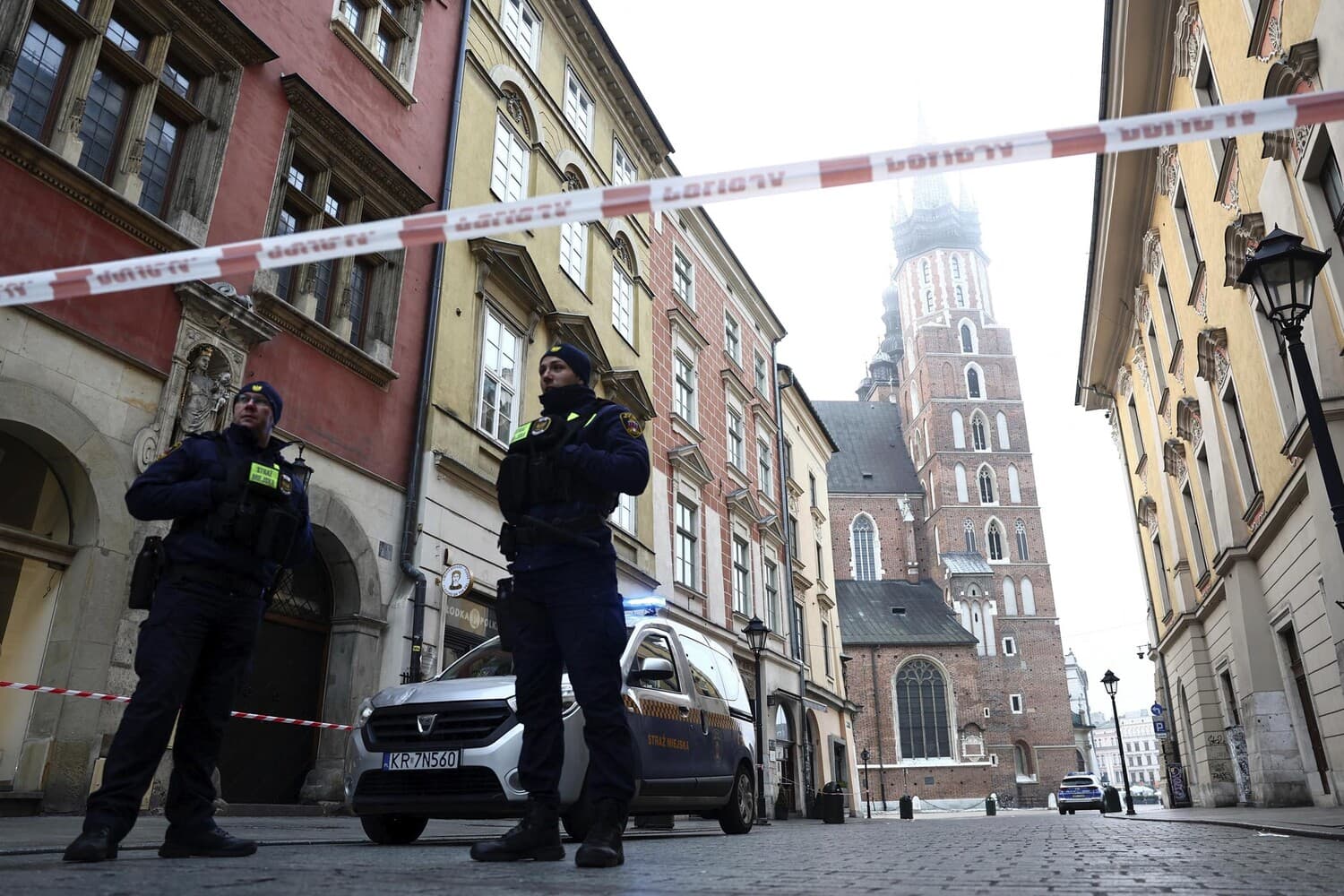
The man who opened fire on people in Kraków's Main Market Square on 7 November died in hospital on the morning of 9 November. The Lesser Poland (Małopolska) police announced this on the social network X: “We inform you that the perpetrator of the tragic events died early this morning in hospital.” The Lesser Poland voivode Krzysztof Kłenczar specified on TVN24 that death occurred at around 4:30 a.m. and described the attacker's condition as critical from the very beginning: doctors performed at least three operations trying to save him. Reported by Gazeta.Ru, BBC, Deutsche Welle, euronews and Anadolu.
The course of the attack and the arrest
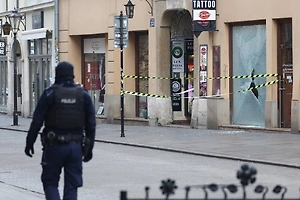
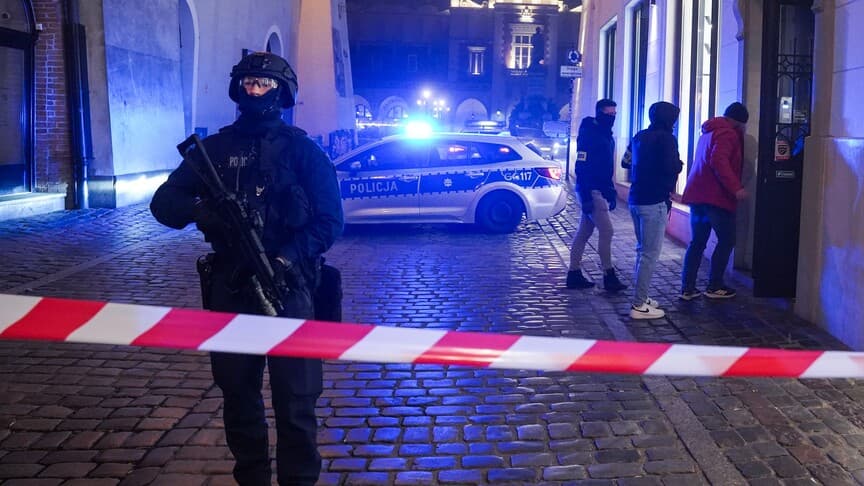
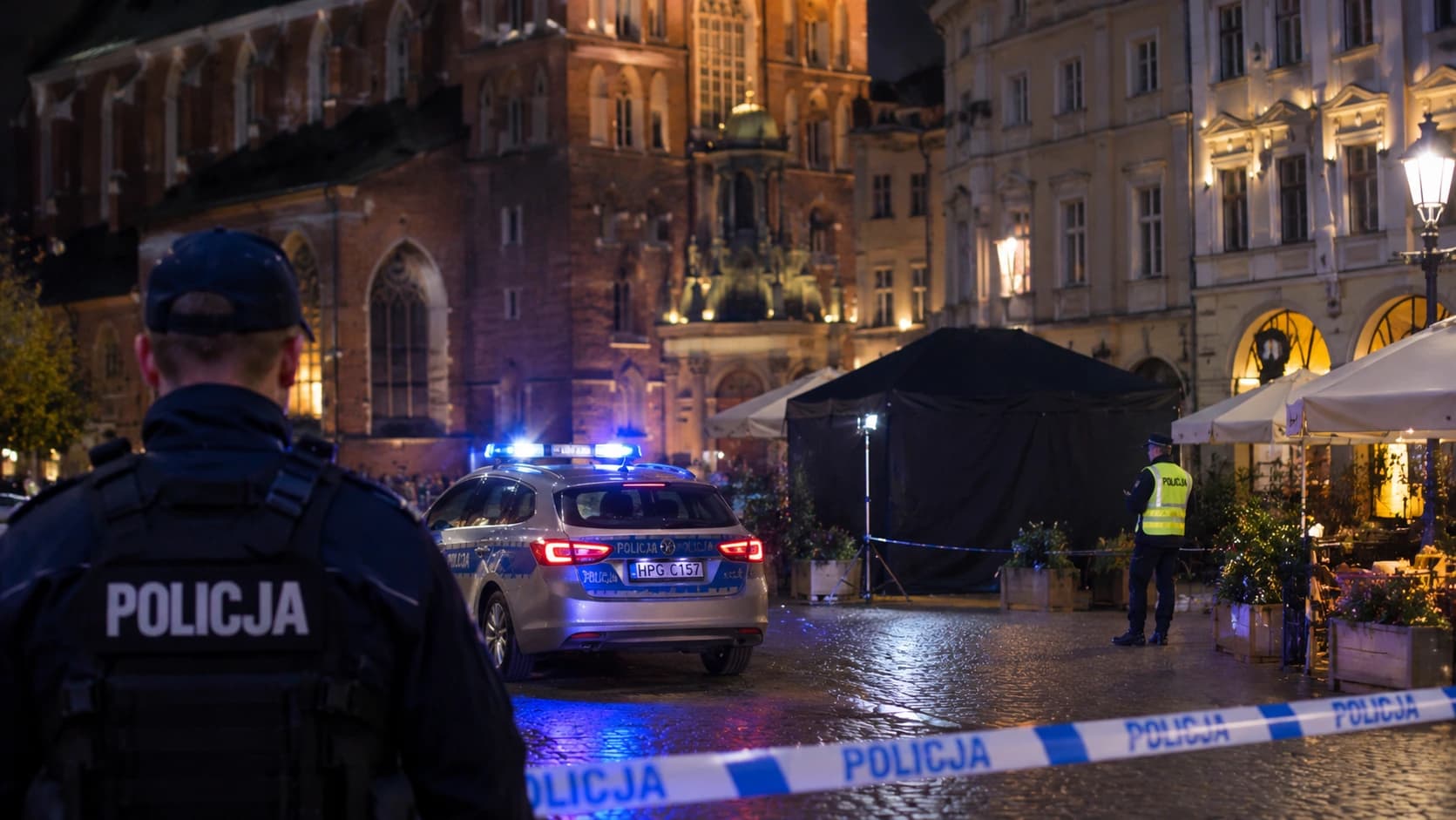
According to the police, on the evening of 7 November an armed man wearing a helmet and a bulletproof vest drove a black car onto the Market Square and fired at pedestrians and a tram directly from the vehicle. The police returned fire within three minutes of the attack beginning — according to officials, this prevented further casualties. The shooter kept firing even after being wounded; his car then crashed into another vehicle, after which he was detained and taken to hospital in critical condition. Among the wounded were two police officers who took part in the arrest.
The victims and the second episode of the case
Six people died in the Market Square: four Polish citizens, a British citizen and an Austrian citizen. The list of the wounded includes citizens of the United Kingdom, Portugal, Russia, Germany and Austria. Later, the bodies of three more people were found in the suspect's apartment in the town of Ostrowiec Świętokrzyski — a 53-year-old man, a 52-year-old woman and a 21-year-old young woman; according to the police, these are the attacker's parents and sister, and the bodies bore injuries assessed as gunshot wounds. Kamil Tokarski, a spokesman for the Świętokrzyskie police, said that the cause and manner of the deaths have yet to be established. The investigation proceeds on the assumption that both episodes are the work of one person.
The investigation and conflicting figures
A criminal case has been opened under articles on the murder of two or more persons and on terrorism. The prosecutor's office said that autopsies of the nine victims are to begin on Monday morning and, given the nature of the gunshot wounds, may take about two days. The prosecution asserts that the suspect was inspired by “right-wing radical ideologies”; Interior Minister Marcin Kierwiński spoke of his radical and ultranationalist views, but no data on membership in any extremist organizations was provided. The investigation has not definitively established the motives; it was only reported that some kind of symbolism was found in his possession, with details withheld due to the secrecy of the investigation. The 24-year-old Polish citizen, a resident of Ostrowiec Świętokrzyski, held a firearms permit, had not previously been prosecuted and was not listed in police databases; according to media reports, he belonged to a shooting club and last visited a firing range at the end of August. Individual figures differ between sources: Life.ru says in its headline that nine people died, Kun.uz and Anadolu mention 16 wounded against the 15 cited by most outlets, and Anadolu puts the suspect's age at 25. Prime Minister Donald Tusk called what happened a terrorist attack; according to him, it is the deadliest such attack in Poland since 1989. As a sign of mourning, the hourly “Hejnał” melody from the tower of St. Mary's Basilica in Kraków was suspended for the first time since World War II, and the square became a place of remembrance with flowers and candles.