The key facts
- The SMIC will rise by 1.6% on December 1, 2026, rather than January 1, 2027: about 1,502 euros net, an increase of 24 euros per month
- Tax relief for businesses and the retention of the fuel allowance cap of 1,000 euros for 2027 were announced
- The trade unions had demanded an increase of 100–150 euros net; the CGT is calling for a strike on November 17
The increase will take effect on December 1 instead of January
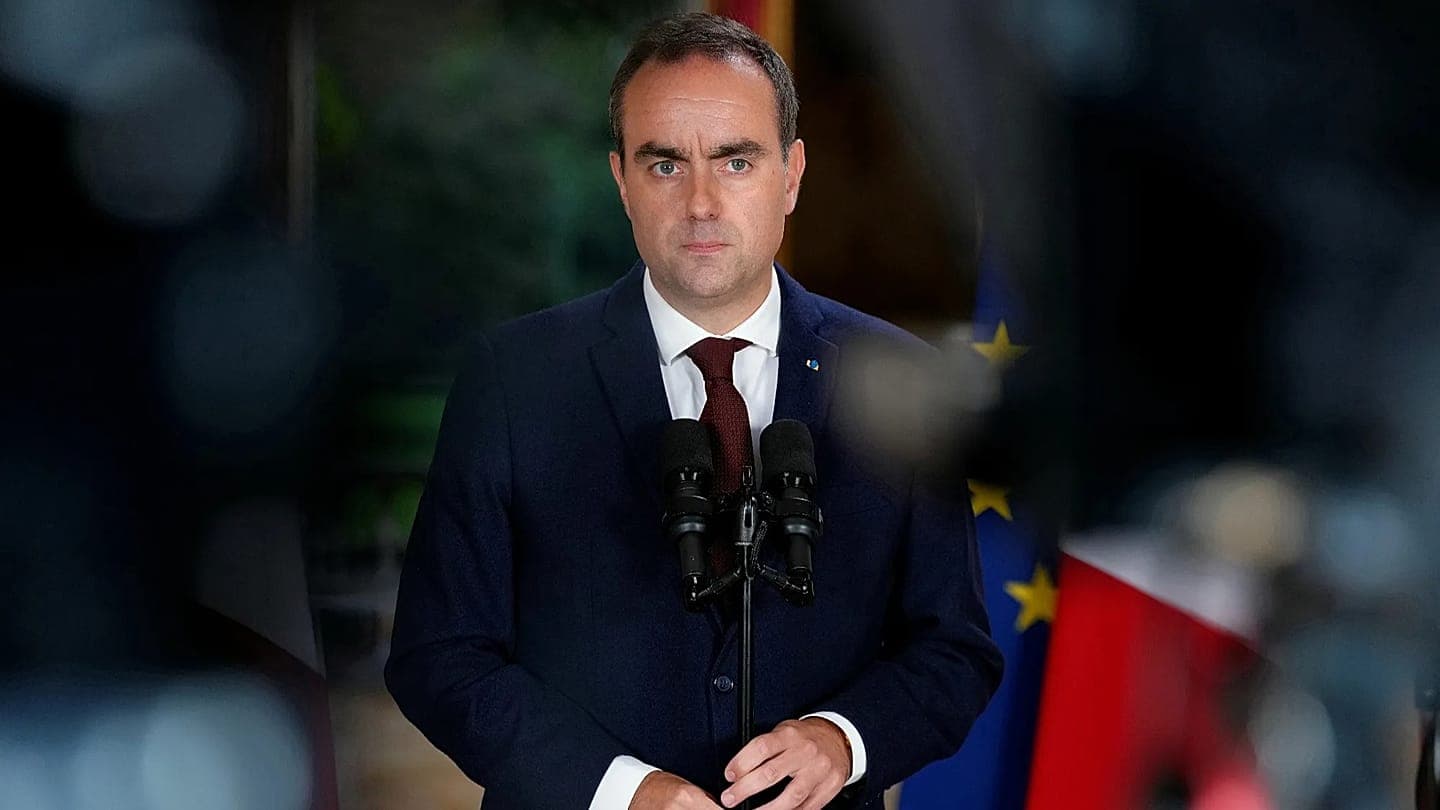
French Prime Minister Sébastien Lecornu, following a morning conference at the Hôtel Matignon with trade union and employer representatives on Monday, November 9, announced an increase in the minimum wage (SMIC) of 1.6% effective December 1, 2026 — three months ahead of the scheduled date of January 1, 2027. The amount will be about 1,502 euros net per month, meaning a net increase of 24 euros per month; the decree will be published in the near future. Lecornu called it the second-largest increase in the past twenty years and stressed that it is «not merely symbolic», while stating that a larger increase would, in the long run, lead to significant job losses. This was reported by the Anadolu agency, and details of the conference were provided by euronews.
Additional measures for workers and businesses
In addition to the SMIC, the government announced an income tax exemption for overtime pay up to 10,000 euros, an exemption from employers' contributions for public transport, a preferential regime for «profit-sharing bonuses» (the so-called «Macron bonus»), and the launch of work on a reform of general social contributions in order to increase take-home pay. These measures are to be introduced through amendments to the 2027 budget bill. Minister of Economy and Finance Roland Lescure said the government would propose keeping the fuel allowance cap for employees at 1,000 euros for 2027 — it was raised from 300 euros last year amid the crisis in the Strait of Hormuz. Negotiations on pay increases will continue in roughly a hundred professional sectors, and the wage monitoring committee will meet with trade unions and employers in the coming days.
Trade union reaction and continued protests
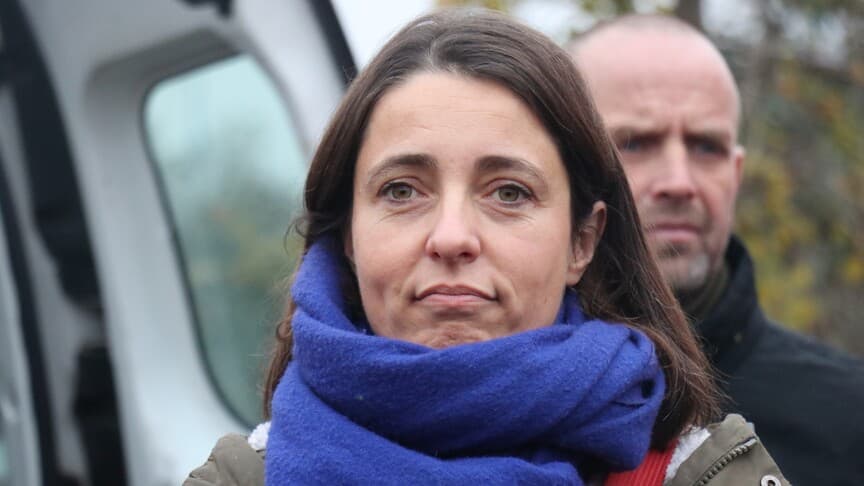
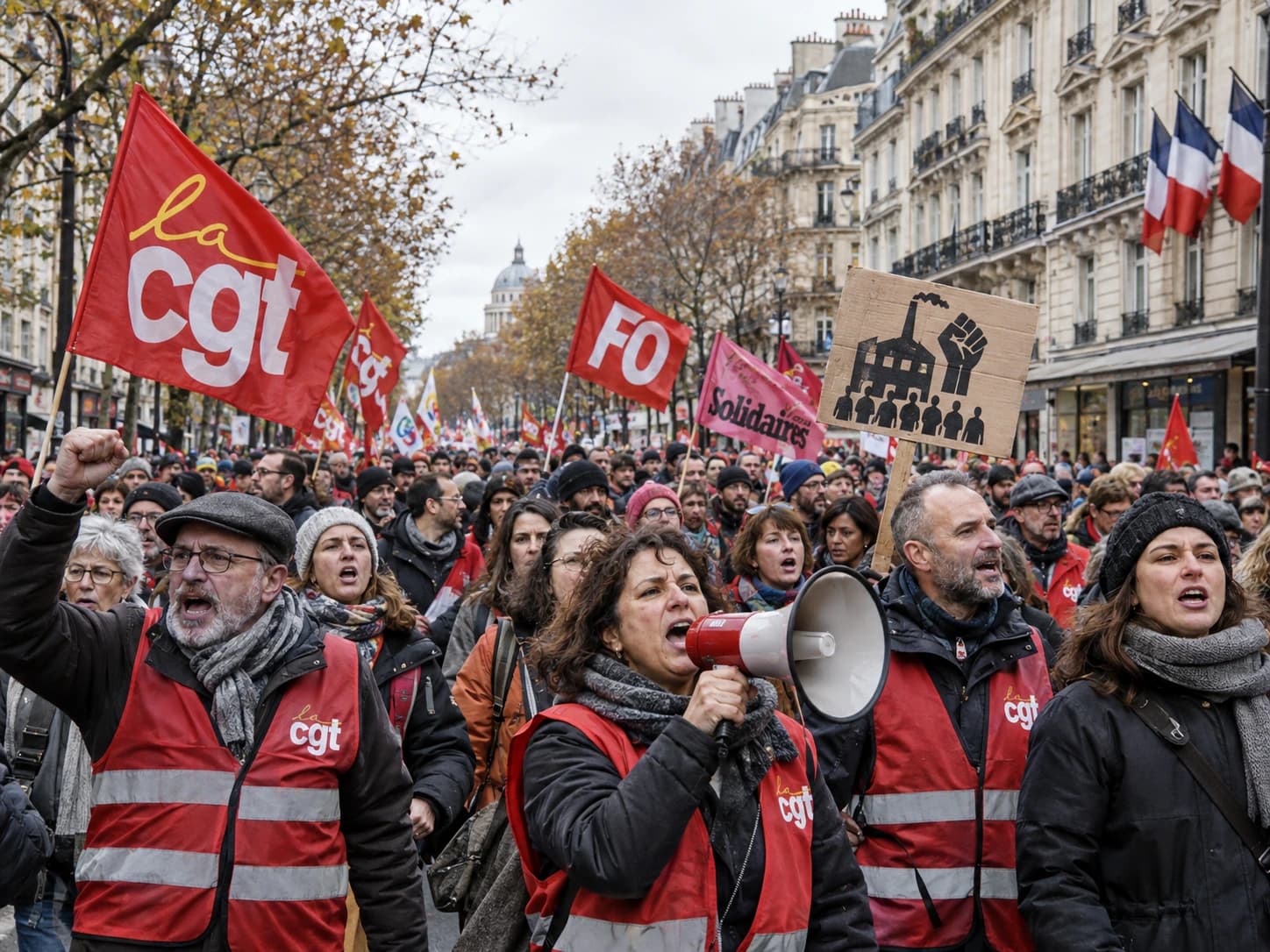
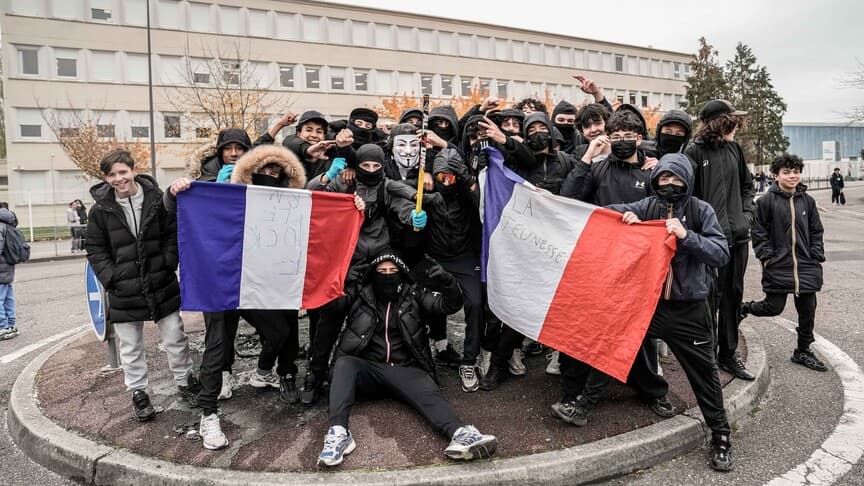
The trade unions' reaction remains reserved: the 1.6% increase is noticeably below the initial demands — the CFDT had sought a net increase of 100 euros per month, while the CGT demanded about 150 euros. CFTC chairman Cyril Chabanier, even before the announcements, believed the measures «do not match the scale of social discontent». The CGT, led by Sophie Binet, called for a new day of strikes and demonstrations on November 17; a number of trade unions and youth organizations that were not invited to the conference also called for strikes and actions as early as Tuesday. According to the Ministry of Education, as cited by BFM, by 9:30 a.m. on Monday 31 lycées out of approximately 3,700 (0.8%) had been blockaded, and in the Île-de-France region, according to the local authorities, classes were disrupted in 50 lycées; regional authorities reported about 30 incidents involving mortar fireworks and said they intended to file complaints over damage at three lycées over the weekend.