The key facts
- The EU aims to name a new ECB president by the end of 2026 following Christine Lagarde's early departure
- The main candidates are Klaas Knot (Netherlands) and Pablo Hernández de Cos (Spain)
- Along with the ECB presidency, the seats of Isabel Schnabel and Philip Lane are to be filled; a package solution is being discussed
Tight timeline after Lagarde's early departure
The European Union expects to name the next president of the European Central Bank by the end of 2026. This was stated by Eurogroup President Kyriakos Pierrakakis ahead of a meeting of eurozone finance ministers: 'The goal is for the entire process to be completed by the end of the year.' The timeline is tight because Christine Lagarde, who has led the ECB for seven years, announced her early departure on 29 October — nine months before the end of her term. According to Pierrakakis, such a decision has traditionally been made by national leaders, and the current meeting of ministers is informational in nature.
Two candidates and the appointment procedure
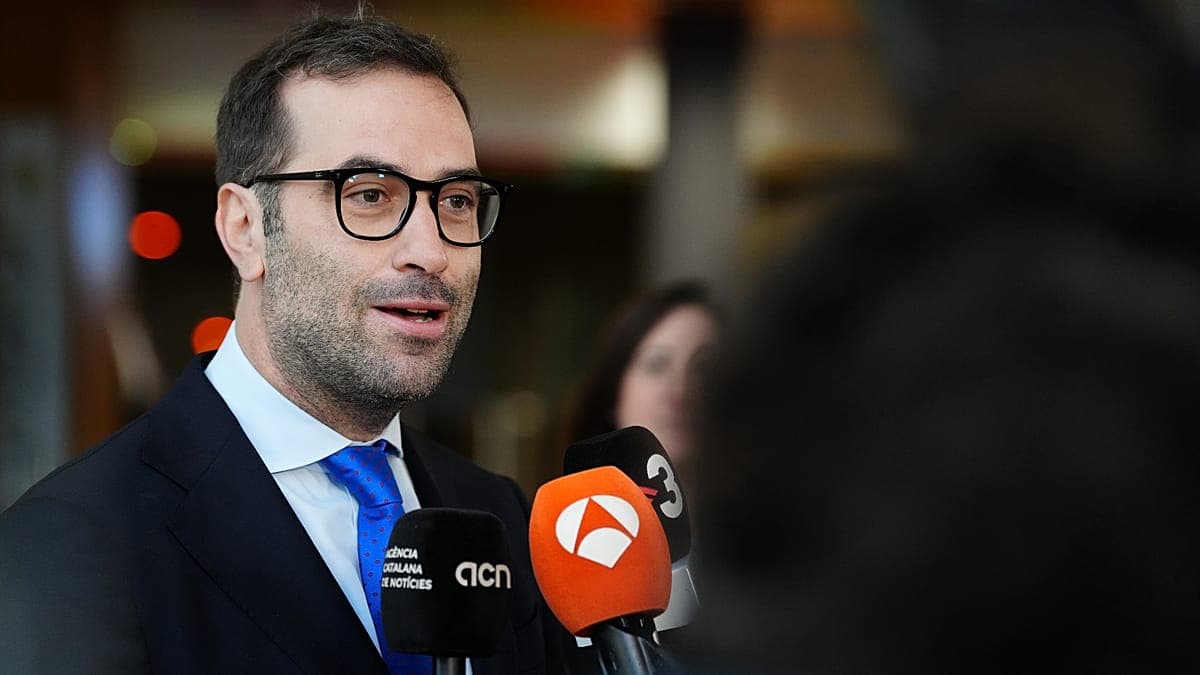
The post is being contested by former Dutch central bank chief Klaas Knot and head of the Bank for International Settlements Pablo Hernández de Cos of Spain. Spanish Economy Minister Carlos Cuerpo called Hernández de Cos 'the right person for the job,' citing his experience leading the Bank of Spain and the BIS and his ability to build consensus. Dutch Finance Minister Eelco Heinen, for his part, described Knot as 'an excellent candidate' with a clear understanding of the ECB's mandate, and warned against viewing the contest as a north-versus-south confrontation or a 'trade of favors' on other issues, including the EU's long-term budget. The procedure involves the eurozone finance ministers nominating a candidate, hearings in the European Parliament, and a final decision by EU leaders. Pierrakakis also said he was due to meet with European Council President António Costa that same day.
Three vacancies and a possible package
Alongside the ECB presidency, two more seats on the bank's Executive Board are to be filled: Isabel Schnabel, who oversees market operations, will leave on 3 January 2027, and the term of chief economist Philip Lane expires in May 2027. Citing officials, the Reuters agency reported that the three positions will likely be agreed among the main eurozone countries — France, Germany, Spain and the Netherlands — as a package. Pierrakakis noted that a package deal could simplify the process, but the final decision rests with the leaders. Irish Finance Minister Simon Harris, whose country holds the rotating EU presidency, expressed hope that Lagarde's successor would be chosen by December: 'Of course, it makes sense to fill the vacancy as quickly as possible. But it is also important to make the right choice — this is a truly key appointment.'