The key facts
- The UK will rejoin Erasmus+ in January, paying £570 million, which the government claims is a 30% discount on the expanded scheme
- Applications will open later in November; the programme includes free one-year internships abroad and travel passes for 18-year-olds
- A statement linked to Remembrance Day sparked criticism from Conservatives and Nigel Farage; Nandy rejected accusations of politicisation
Return to Erasmus+ and participation conditions
The UK will rejoin the European Erasmus+ programme in January, six years after leaving under Brexit termsThe cost of participation is £570 million, and, according to the government, this represents a 30% discount on the price of the expanded scheme. The programme provides free one-year internships abroad for students from British universities and their European peers, cultural exchanges, free travel passes for 18-year-olds to visit EU countries independently or with a group of up to five friends, as well as short exchanges for youth organisations. Priority is given to regions previously less involved in Erasmus, namely northern England and the Midlands. Applications will open later in November.
Controversy surrounding Remembrance Day
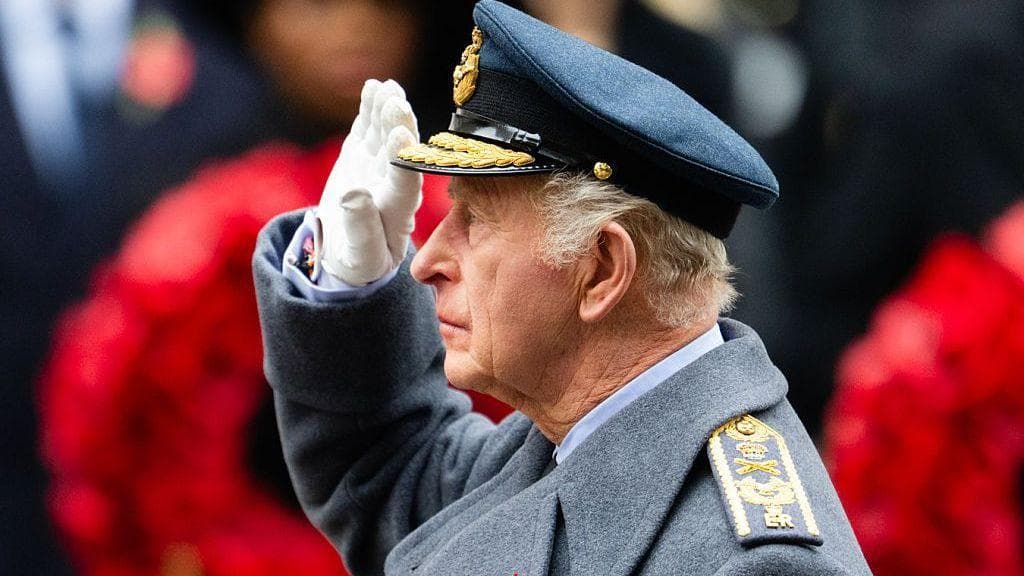
The conflict arose after the Department for Culture, Media and Sport linked the return to the programme with Remembrance Day on Saturday evening, stating that Erasmus+ would give a new generation the chance to build connections across Europe. In a press release, Lisa Nandy said the country honours the fallen by 'building better opportunities for the next generation through closeness and cooperation with allies'. Conservative Party chairman Kevin Hollinrake called the remarks 'tone-deaf and, frankly, shameful', demanded an apology, and stated that veterans 'did not fight for a student exchange programme'. Reform UK leader Nigel Farage described the use of Remembrance Day as 'very, very bad taste', while Peter Sharples, head of the Veterans Institute, told The Telegraph that on this day one should 'simply honour the fallen'. In a BBC broadcast on Sunday, Nandy dismissed the accusations, citing Churchill's words about 'a hand of friendship extended across Europe' and asserting that after Brexit, 'opportunities were closed' for young Britons to understand the contribution of that generation.
Context: debates over broader relations with the EU
Farage described Erasmus as a 'terrible' and 'ridiculously expensive' scheme compared to the Turing programme introduced by ministers in 2021, and criticised ongoing negotiations with the EU on a new youth mobility scheme ahead of a major summit on 20 November. According to BBC reports, Prime Minister Andy Burnham wants 'an honest discussion' about the prospect of restoring free movement between the UK and the EU, while former EU Brexit negotiator Michel Barnier warned that the UK cannot 'cherry-pick' elements of the single market. Nandy herself stated on Sunday that most of the benefits promised in 2016 regarding Brexit 'have not been realised' and that 'compromises and choices' lie ahead in relations with the EU. Thus, the dispute over Erasmus is embedded in a broader discussion about a future agreement with the EU, the outcome of which remains undecided at the time of publication.
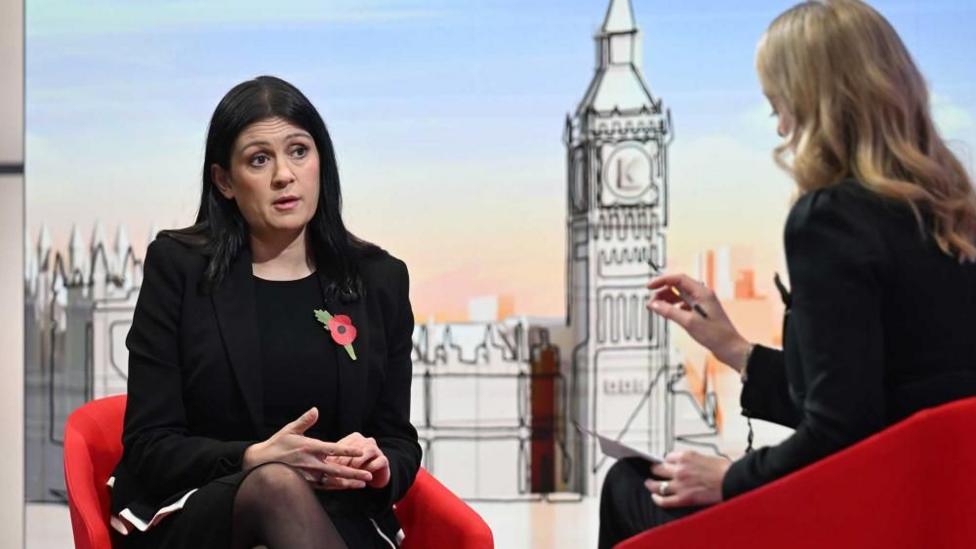 Image source, PA
The culture secretary was interviewed by Laura Kuenssberg on Sunday