The key facts
- The attack on Kraków's Main Square lasted about three minutes: six dead, 15 wounded, including two police officers and five foreigners
- The bodies of two women and a man, believed by the authorities to be the suspect's close relatives, were found at the 25-year-old suspect's home
- The interior minister links the attacker to far-right views; mourning has been declared in Kraków until 11 November
Attack on the Main Square
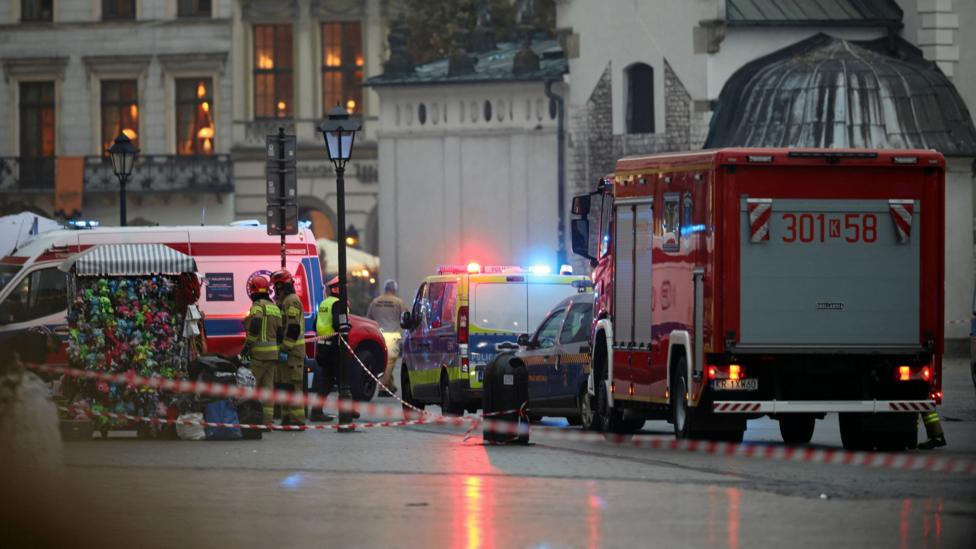
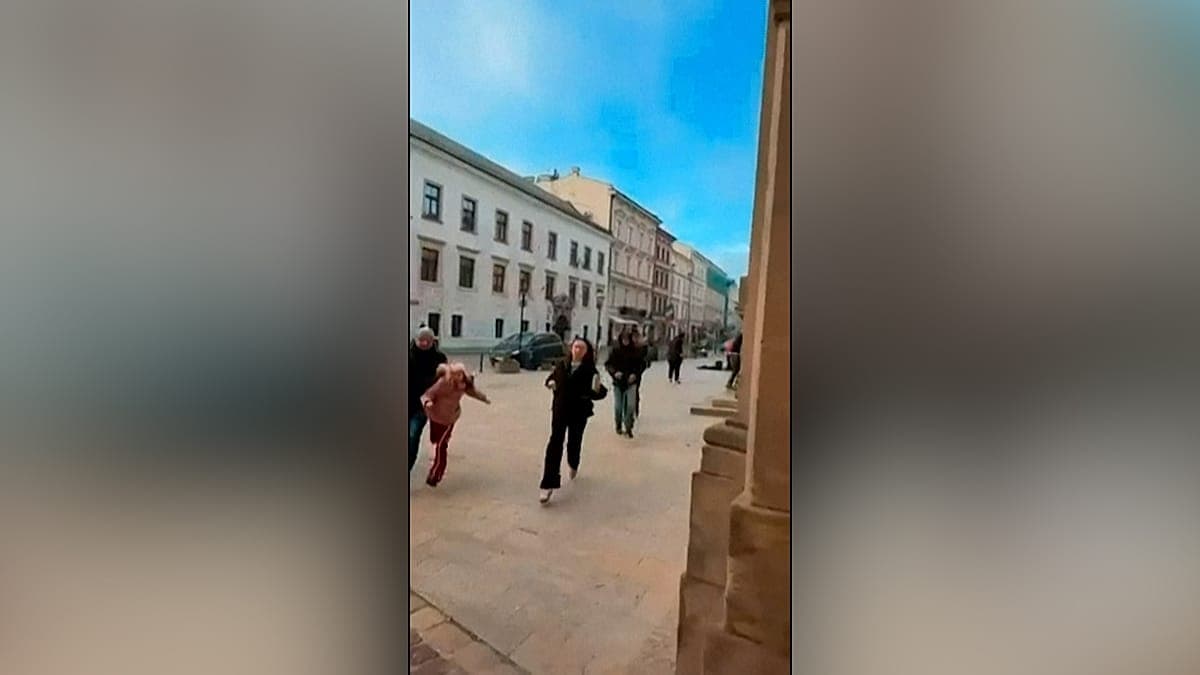
On Saturday, 7 November, shortly before 15:00 local time, an armed man drove onto the Main Square in Kraków — the historic centre of Poland's second-largest city, popular with tourists — and began firing indiscriminately at people. According to the police, the attack lasted about three minutes: shop windows were shattered by bullets and a tram was shot at. Police pursued the armed vehicle; after the car crashed, a shootout followed, in which the attacker was wounded and detained. This was reported by BBC News.
The dead and the wounded
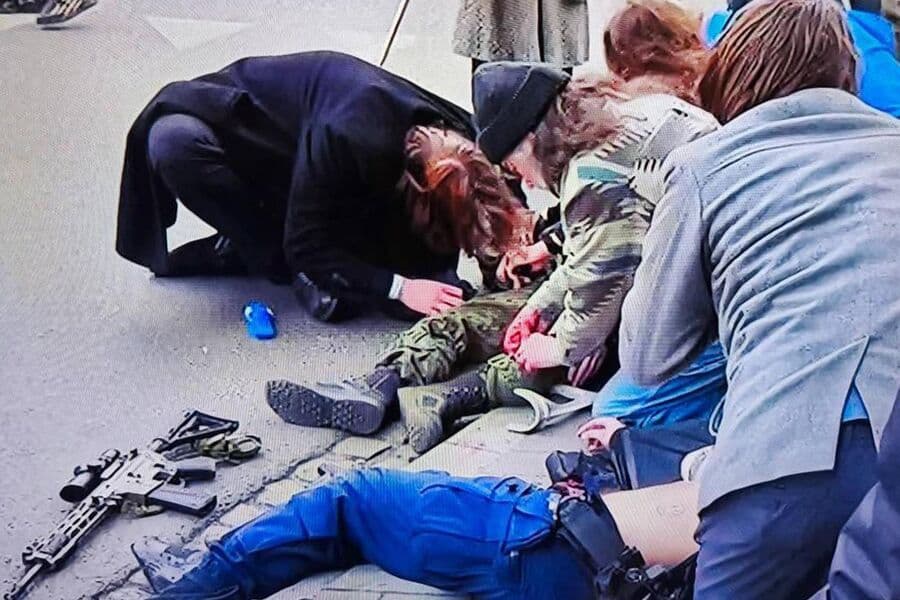
Six people were killed: three Polish citizens, one British citizen and two unidentified individuals. At least 15 people were wounded, including two police officers and five foreigners — from the United Kingdom, Austria, Russia, Germany and Portugal, the interior ministry said. One of the officers, according to the Polish minister, was fighting for his life, while the second sustained a less serious injury. Prime Minister Donald Tusk called them — senior sergeants Jakub Kulik and Artur Moranski — 'true heroes', saying they 'saved many lives'. The centre of Kraków was cordoned off, and some buildings were evacuated while the attacker's car was checked for explosive devices.
What is known about the attacker
The detainee is a 25-year-old Polish citizen; his name has not been officially confirmed. He was wearing full military tactical gear and carrying a military-grade weapon, but, according to the government, he had not served in the Polish armed forces. Additional weapons and ammunition were found in his car. Interior Minister Marcin Kierzwiński stated that 'everything points to the fact that he was fascinated by far-right ideologies' and held 'ultranationalist views'. The bodies of two women and a man were later discovered at the suspect's home; Tusk said there are 'many grounds' to believe they were close relatives of the attacker.
The authorities' response
Tusk described what happened as terrorism: 'Until now, Poland has not had such monstrous cases of terrorism... that is exactly what we must call this brutal attack on people's lives here, in Kraków.' He promised to detain any 'possible supporters of the perpetrator' and appealed to the public for information. Mourning has been declared in Kraków until 11 November; security measures have been tightened in Warsaw and other cities. British Prime Minister Andy Burnham said he was 'shocked and saddened by the horrific shooting'. Witnesses described panic in the square: according to 24-year-old student Cezary, he only realised he had heard gunshots when he saw bodies in the street; another witness said that, after running to the police station in the square, she found it full of people hiding on the floor.
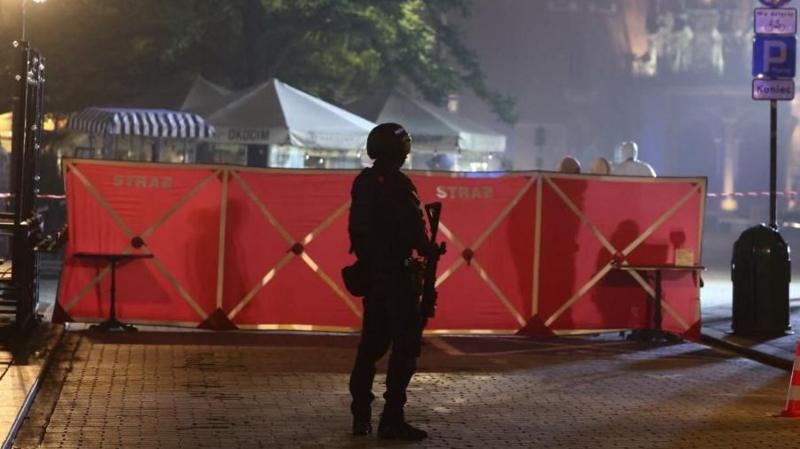 Image source, Reuters
Armed police swarmed on central Krakow after the mass shooting