The key facts
- Sara Payne gave an interview to BBC South East ahead of the release of the podcast Sarah Payne: Unforgotten
- Her daughter was abducted and killed in July 2000; Roy Whiting was sentenced to life imprisonment in December 2001
- Sara Payne's campaign led to the adoption of “Sarah's Law”, allowing parents to ask the police for information about sex offenders near their child
An interview a quarter of a century later
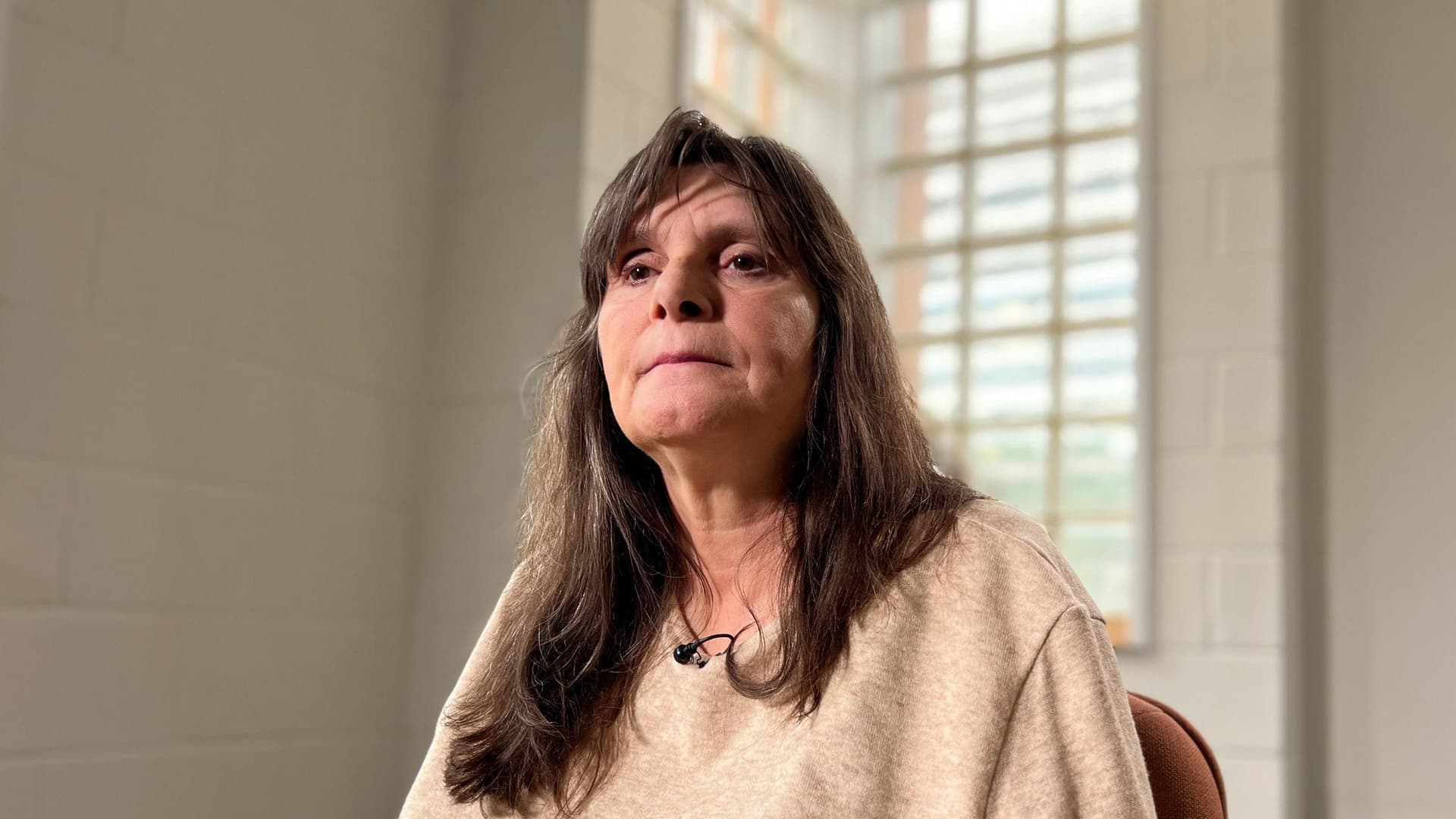
The mother of murdered schoolgirl Sara Payne has said she does not want her daughter's killer to occupy her thoughts, and is seeking to change how society views victims of crime. The BBC South East interview was published ahead of the launch of the new BBC podcast Sarah Payne: Unforgotten, built on archive material and new testimony from Sara's family, detectives, journalists and politicians.
What happened in 2000
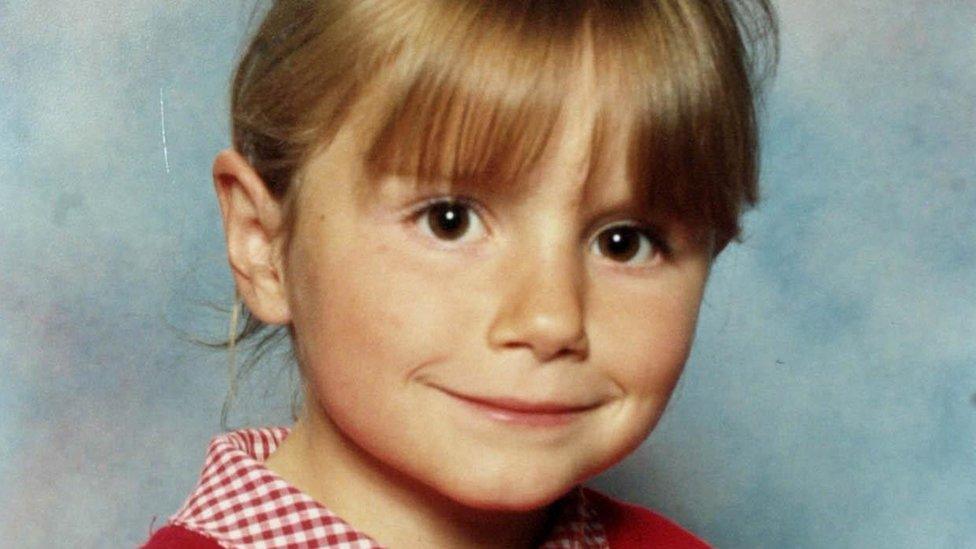
Eight-year-old Sara Payne was abducted in July 2000 while playing with her brothers and sisters, and killed. Her body was found 17 days after her disappearance in a field near her grandparents' home in West Sussex. The search for the girl became one of the most widely covered in UK history and led to important changes in legislation. Roy Whiting, previously convicted of a sexual offence, was given a life sentence for the murder in December 2001.
“Not everyone reacts the way it is written in the textbook”
Sara Payne said she has no anger or aggression and does not demand the return of the death penalty: “I simply want to move forward as a human being and be a person.” According to her, people have formed a stereotypical image of a victim, but “not everyone reacts the way it is written in the textbook”, and shock has an enormous impact on any person. She added that she deliberately chose a path in which Whiting does not occupy her thoughts: “It had to be her — that is why I keep Sara.” The mother also recalled that during the search she thought her daughter was watching television and “must have seen me looking for her”. Of the news of her death, which, she said, coincided with reports in the news, she said: “The world slipped out from under my feet.”
The fight for “Sarah's Law”
The podcast also tells the story of Sara Payne's years-long campaign for the so-called “Sarah's Law”, which came into force in 2011. It allows parents, guardians and carers to formally ask the police whether a person with access to their child has a history of sexual offences against children. Sara explained that she began the campaign because she considered it unfair that sex offenders can remain anonymous after serving their sentence, while victims “cannot simply move on with their lives — they have to deal with the consequences”.
Memory and life years later
More than 25 years after her daughter's death, Sara Payne described most of that period as “one big blurred blur” and admitted she feels a certain detachment from the events: “It has almost become a story in my head.” She named as her main memory the friendship formed and strengthened at that time and which has lasted to this day: “You find out who your real friends are.” About her daughter, she said she tries not to think about what she would be like now, but added: “She was a truly special girl. The world became sadder without her. That day it lost something.”
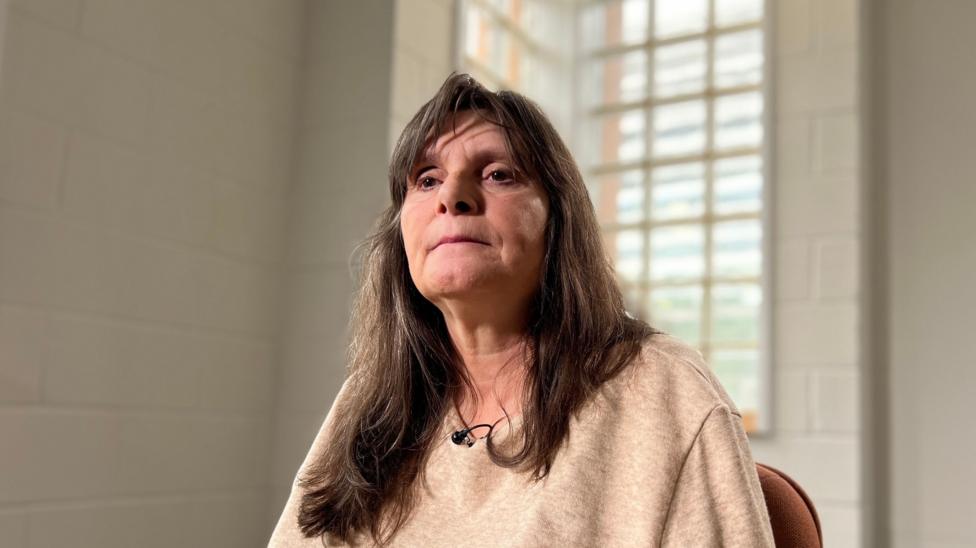
Sara Payne's daughter was killed in 2000
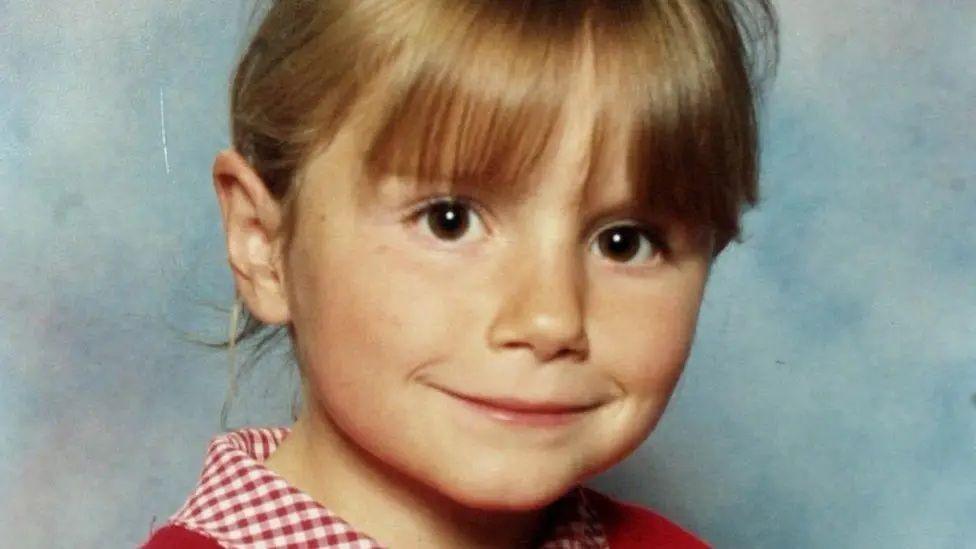 Image source, PA Media
Sarah Payne was eight when she was abducted and murdered by Roy Whiting
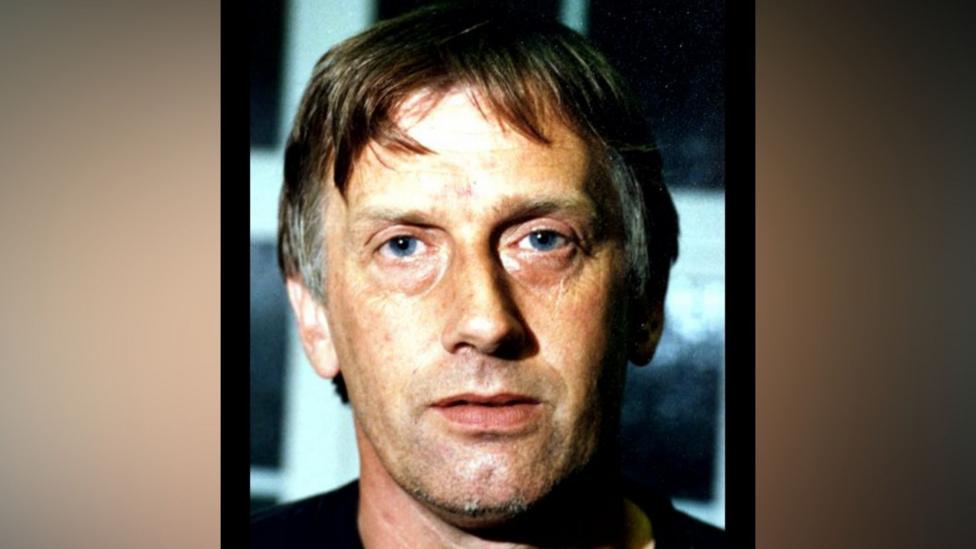 Image source, Press Association
Roy Whiting (pictured) was jailed for Sarah Payne's murder