The key facts
- Vladislav Maslennikov said that 'no one there, it seems, is going to identify the true masterminds and initiators of this crime'
- The Russian Foreign Ministry also criticized the European Commission for its lack of public reaction to the progress of the investigation
- The trial in Hamburg of former Ukrainian serviceman Sergey Kuznetsov has been extended until at least June 2027
Statement by the Russian Foreign Ministry
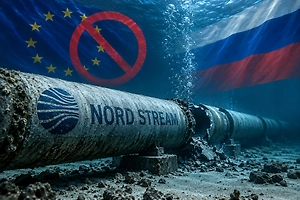
Germany, according to Russia's Foreign Ministry, has no intention of establishing the true masterminds behind the sabotage of the Nord Stream and Nord Stream 2 gas pipelines. This opinion was expressed by Vladislav Maslennikov, director of the Foreign Ministry's European Problems Department, in an interview with RIA Novosti; his remarks were relayed on November 8 by Life.ru and Gazeta.Ru. In his assessment, the German side has limited itself to an insufficiently convincing version attributing the sabotage exclusively to Ukrainian citizens, while the investigation has focused on the alleged perpetrators, leaving unanswered the question of who stood behind the organization of the explosions. 'No one there, it seems, is going to identify the true masterminds and initiators of this crime,' Maslennikov said.
Claims against the European Commission and the significance of the date
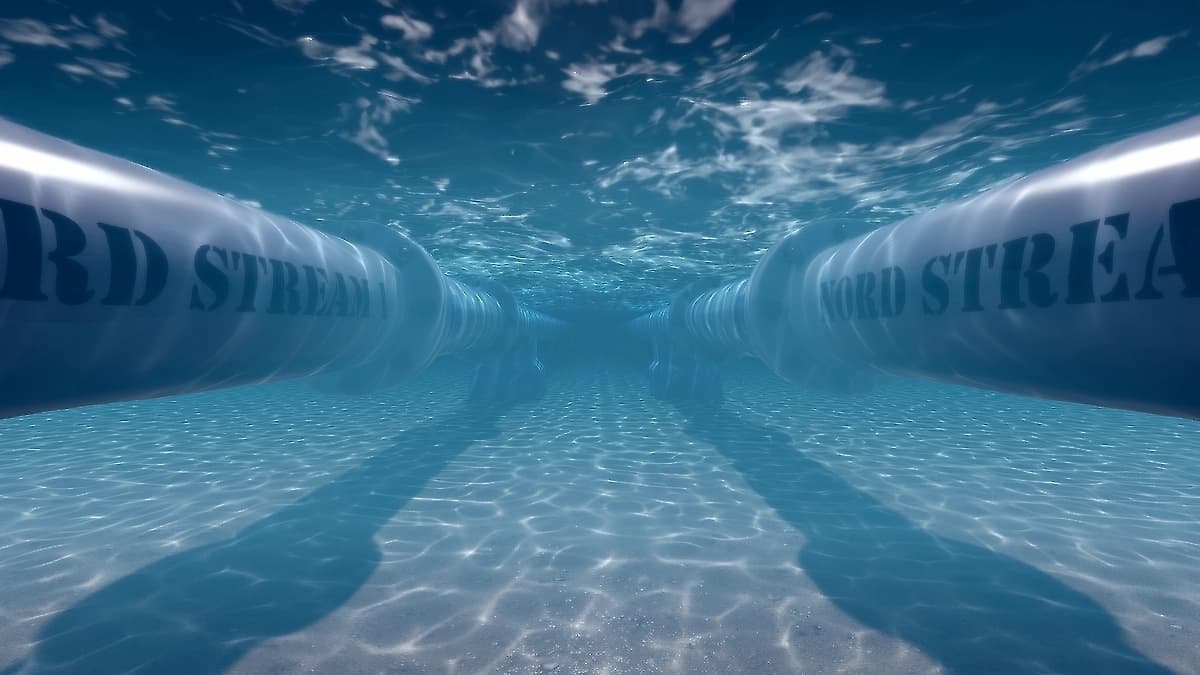
The Foreign Ministry representative also criticized the European Commission: in his words, Brussels, which is responsible, among other things, for the European Union's energy security, 'diligently kept silent' about the progress of the investigation and preferred not to get involved in discussions about the circumstances of the sabotage. The statement was made on November 8, the 15th anniversary of the launch of the first line of Nord Stream: the pipeline began operating in 2011, and in September 2022 explosions in the Baltic Sea damaged three of the four lines of the two pipelines. Earlier, Maslennikov said the sabotage destroyed what remained of trust between Russia and Europe in the energy sphere.
What is happening in the Hamburg court
Meanwhile, in Hamburg, the trial of former Ukrainian serviceman Sergey Kuznetsov continues. The German prosecution recognized the pipelines as civilian objects and stated that the saboteurs acted on behalf of Ukrainian state structures; Kyiv denies any involvement, and the defendant's guilt has not yet been established by the court. During the hearings, an expert from Germany's Federal Criminal Police Office spoke about six points where explosives were planted and four sites of gas leaks, and on November 6 the court was presented with the results of an inspection of the yacht Andromeda, on the stern of which deep scratches and chips were found — according to the investigation, this vessel was used in preparing the sabotage. The proceedings have been extended until at least June 2027.
Context: the ambassador's position and EU plans
Earlier, Russia's ambassador to Germany, Sergey Nechayev , recalled that four years after the sabotage, the names of the organizers, direct perpetrators and beneficiaries of the sabotage have still not been named. Against the backdrop of the investigation, the EU's energy ties with Russia are shrinking: in October, European Commissioner for Economy Valdis Dombrovskis announced that the Union's member states have almost completely severed energy ties with Russia and purchase energy carriers primarily from the United States and Norway. The European Commission expects to completely abandon Russian oil and gas by the end of 2027 and has banned resuming supplies via Nord Stream.