The key facts
- Deputy Defense Minister Valery Solodchuk stated that the military food ration is 'better than the cosmonauts'
- Daily standards: 250 g of meat, 600 g of potatoes, 300 g of vegetables, plus dairy products
- Units received dehydrators and vacuum sealers; ration packs weighing up to 1.5 kg for delivery by drones are being developed for assault troops
Statement by the Deputy Defense Minister
The food ration of Russian servicemen is now better than that of cosmonauts — this assessment was given by the head of the Rear Services of the Russian Armed Forces, Deputy Defense Minister Colonel General Valery Solodchuk, in the program 'The Main Thing with Olga Belova' on the TV channel Zvezda. This was reported by Gazeta.Ru and Life.ru. According to the general, the main task of food supply is to preserve caloric content and nutritional value, as well as to provide vitamins: 'You have probably seen a cosmonaut's food set somewhere; our set is now better than the cosmonauts'.'
Ration standards and new equipment
Solodchuk revealed the daily food supply standards: each serviceman is entitled to 250 grams of meat, 600 grams of potatoes and 300 grams of vegetables, as well as dairy products, including milk, butter and cheese. In addition, according to him, units have been equipped with dehydrators and vacuum sealers — now soldiers can independently prepare long-shelf-life foods, including dried and cured meat. Life.ru notes that this technology makes it possible to reduce the weight of food products and make their storage easier.
Food at the front line and related topics
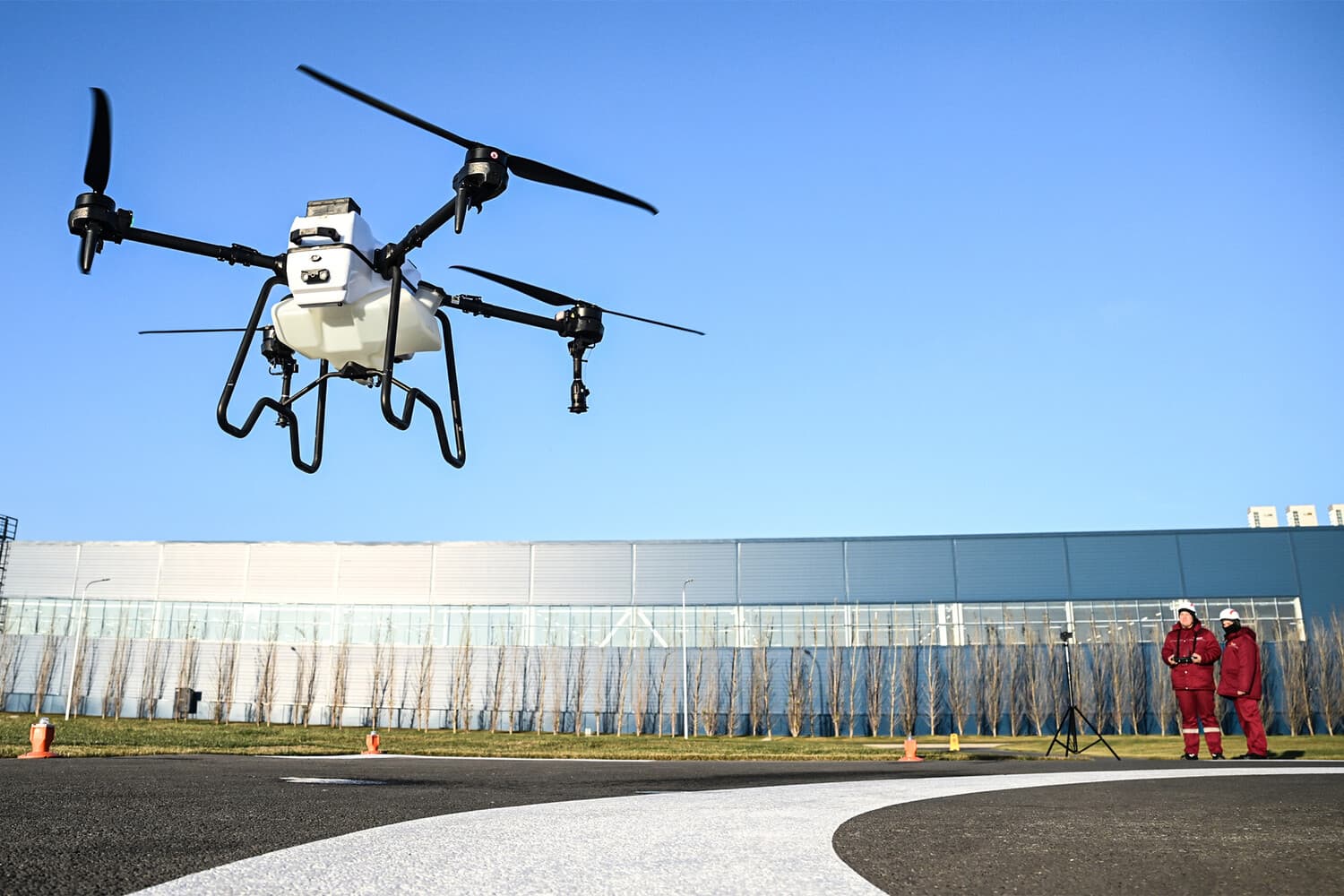
Special attention, as Life.ru writes, is paid to food at the front line: the Defense Ministry has previously commissioned the development of special ration packs for assault troops, which can be delivered directly to positions using drones. Such a kit should weigh no more than one and a half kilograms and provide a soldier with the necessary daily amount of calories. In the same appearance, Solodchuk said that 100,000 sets of new winter uniforms had been delivered to the troops: they were tested in the summer, a number of issues were identified, and the uniform is now being tested in winter conditions; it is designed for both temperate and extremely hot climates, as well as for the Far North regions.