The key facts
- In Erbil, flooding claimed the lives of two people — a child and a volunteer rescuer
- About 80 mm of rain fell against a forecast of around 30 mm
- In Gaza, according to the Hamas media office, at least 70,000 tents were flooded and 1,500 calls for help were received
Erbil: rainfall turned out to be almost three times the forecast
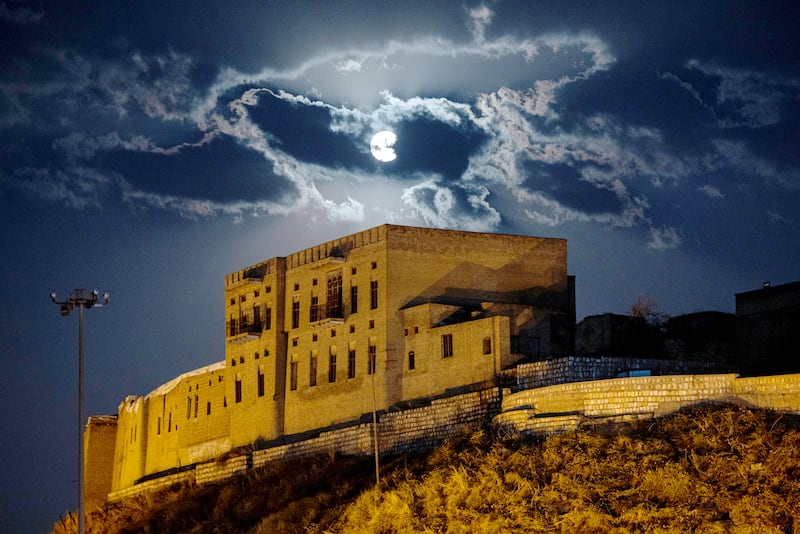
On Saturday evening, November 8, heavy rain triggered flash floods in most districts of Erbil — the capital of Iraq's autonomous Kurdistan Region. According to Governor Omed Khoshnaw, rainfall was initially forecast at around 30 mm, but after 19:00 it intensified, and the preliminary estimate reached 80 mm. Two people were killed: a five-year-old child riding in a car with his father in the New Erbil district, and a volunteer just over 20 years old who was helping rescuers and residents near the Heeva City area — he was swept away by the floodwater. The bodies of both were found by rescuers. The governor described the flooding as
Damage and a recurring threat
According to the governor's description, streams of water flowed from the eastern outskirts toward the city center; homes, shops, commercial premises and cars were damaged, as well as roads, public infrastructure and the power grid. The National notes that flash floods are a recurring threat to the Kurdistan Region during the cold months: a year earlier, floods caused by several days of heavy rain killed five people, injured 19 and damaged 2,225 homes in the region and the neighboring province of Kirkuk.
Gaza: tent camps flooded
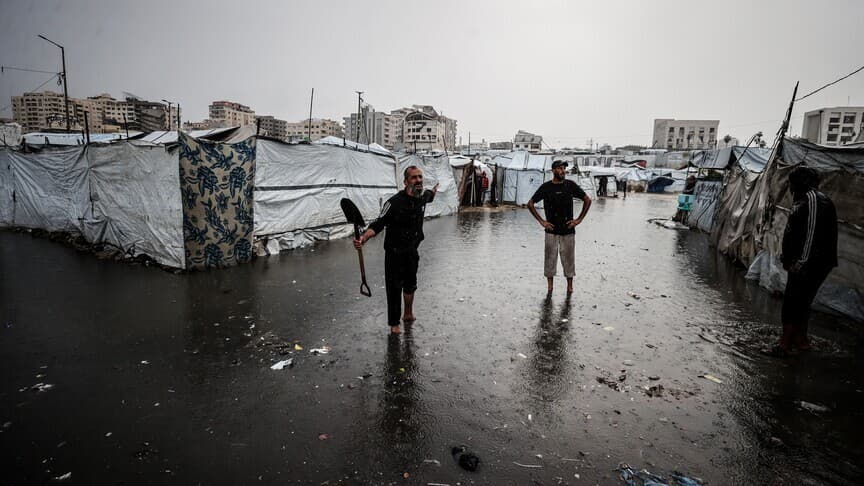
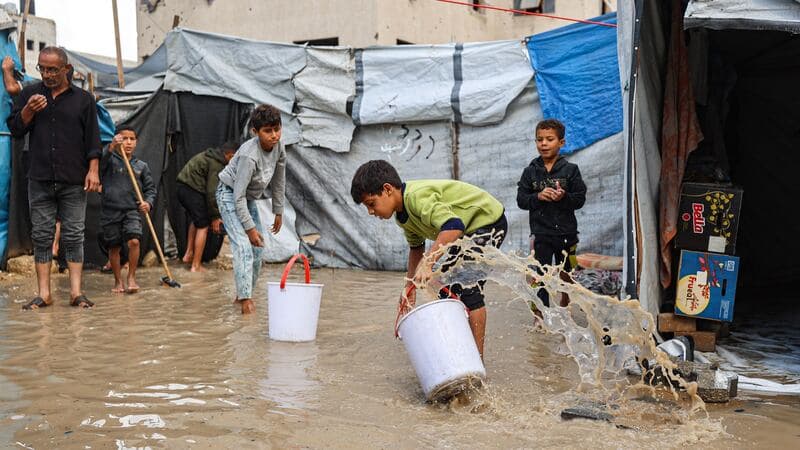
The same day, heavy rain flooded tens of thousands of tents housing displaced residents of Gaza. The media office of the Hamas-controlled Gaza government reported that at least 70,000 tents were flooded within 12 hours, with injuries reported but no deaths. The Civil Defense service received 1,500 calls for help; three abandoned buildings collapsed with no casualties. Municipal services and civil defense said they could not cope with the aftermath due to a shortage of fuel and damaged equipment: according to them, hundreds of vehicles, including bulldozers and water-pumping machines, have been destroyed during Israel's war against Hamas. Hamas blamed Israel for blocking materials for shelters and construction; Israel's coordinating body, Cogat, did not immediately respond to these accusations but said it had stepped up work on sanitation conditions the day before: last week, four vacuum trucks were brought into Gaza through the International Committee of the Red Cross, adding to eight delivered the previous month. Gaza resident Ofat Maghdoub told the Reuters agency that on the very first day of rain her tent was flooded and the mattresses soaked; another displaced resident, Rafik Ghattas, complained about the lack of tarpaulins, tents and assistance.
Context: a ceasefire with no progress in reconstruction
According to the outlet, the ceasefire brokered by the United States envisaged the reconstruction of Gaza, but there has been little progress: negotiators have not agreed on the terms of Hamas's disarmament or the withdrawal of Israeli troops, who control about two-thirds of the territory. Most of the enclave's more than two million residents have been displaced and live in tent camps. Palestinian authorities report more than 74,600 killed in Gaza since the start of the Israeli operation, which began after Hamas's attacks in southern Israel in October 2023 that killed about 1,200 people. The outlet presents the parties' casualty figures and accusations of blocking aid as statements by the respective bodies, without independent verification.