The key facts
- Tusk: the march will not be banned, talk of a ban is “disinformation”
- In Krakow on November 6 people were killed and 16 wounded; the suspect was detained after a shootout
- Mourning has been declared in Krakow until November 11; two foreigners are among the victims
The nationalist march will remain on the schedule
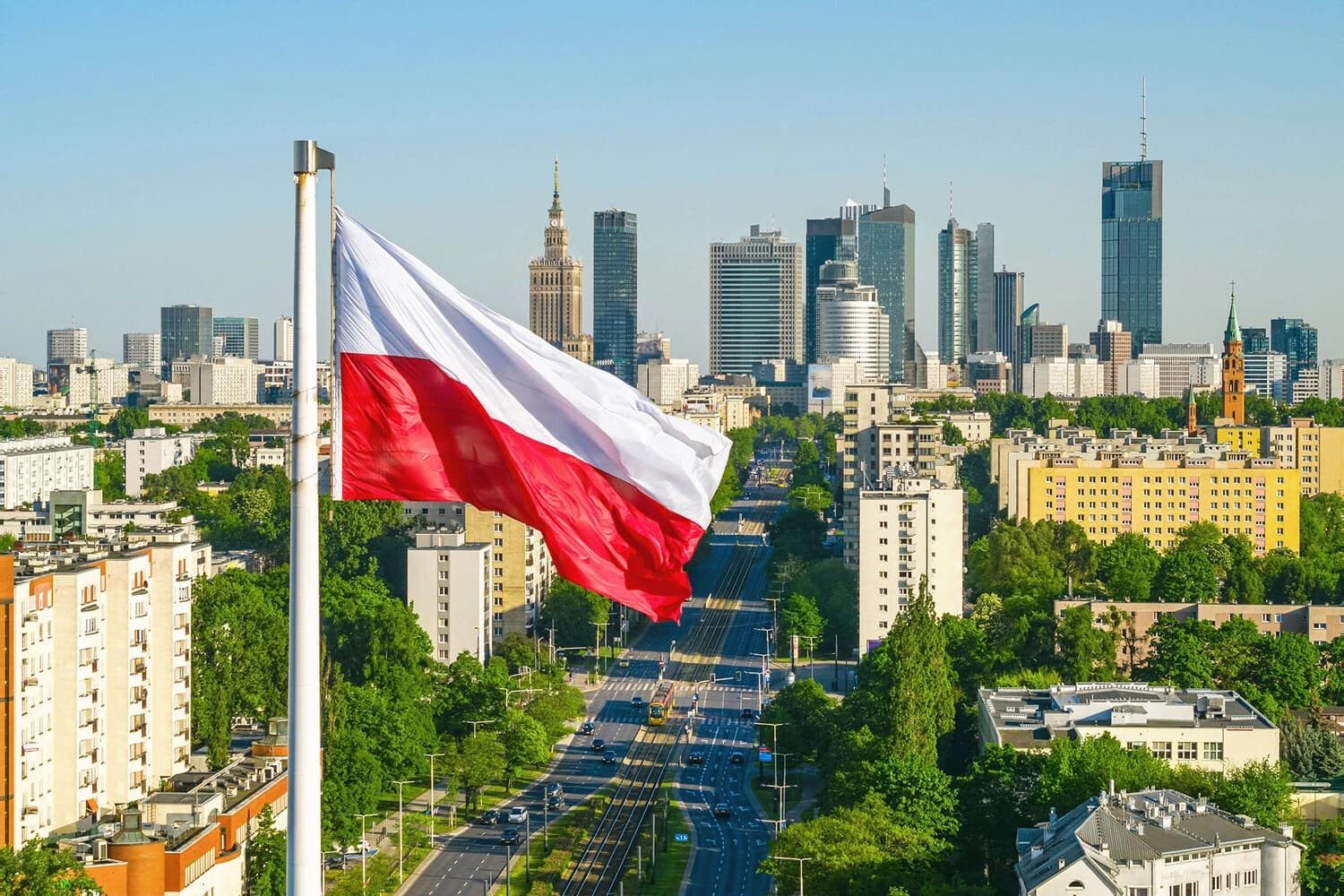
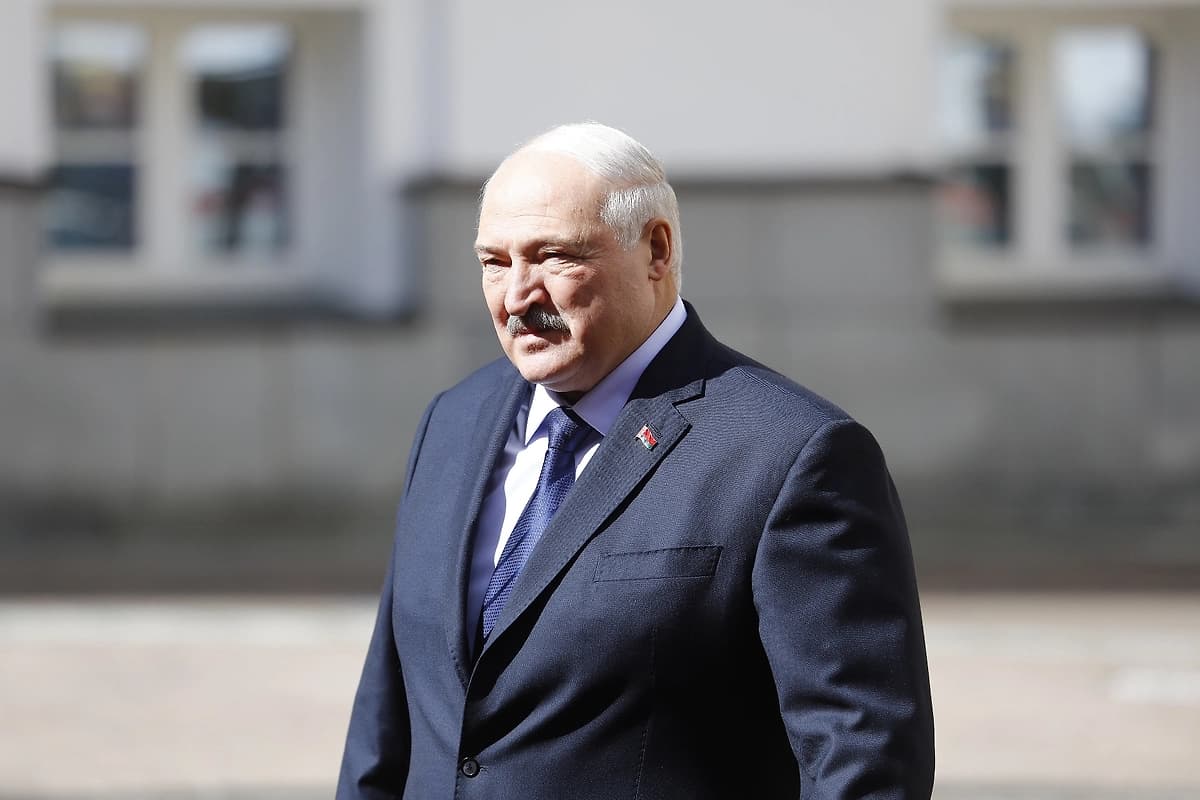
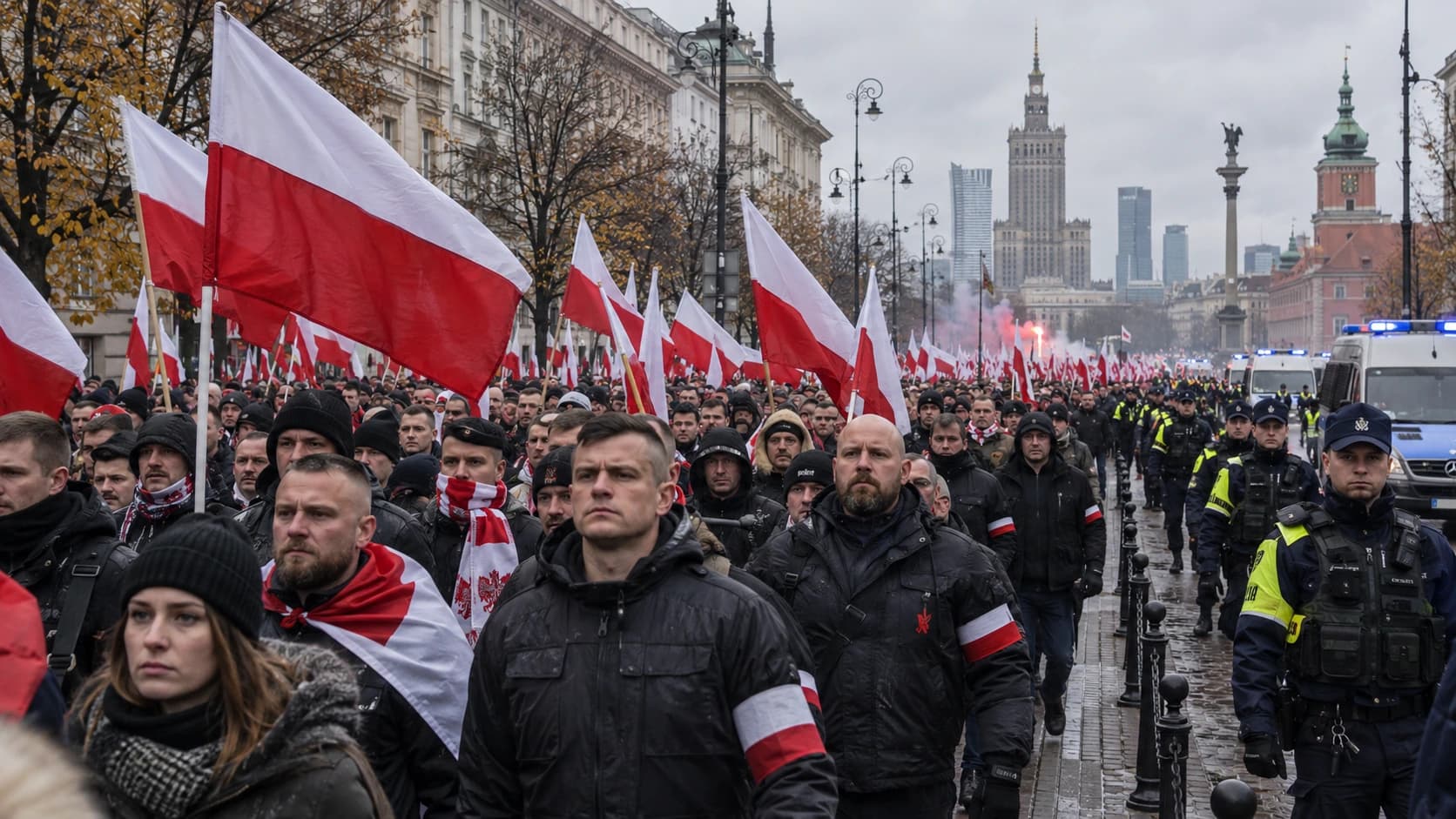
The Polish authorities will not ban the traditional nationalist march held annually on November 11 in Warsaw on Independence Day. Prime Minister Donald Tusk announced this against the backdrop of the mass shooting in Krakow that claimed six lives. “No one is going to ban the Independence March. Speculation about this is just ordinary disinformation”, he wrote on the social network X, reports Life.ru.
Appeals to participants and counter-demonstrators
The prime minister called on the march participants to refrain from aggressive actions and to treat the police, who will be maintaining order, with respect. A separate appeal was addressed to the organizers and participants of counter-demonstrations: Tusk asked them to abandon counter-actions so as not to complicate the work of law enforcement and not to create additional security threats in Warsaw. In previous years, some events were accompanied by clashes with police and riots.
Context of the Krakow tragedy
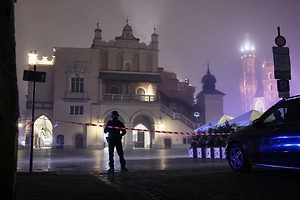
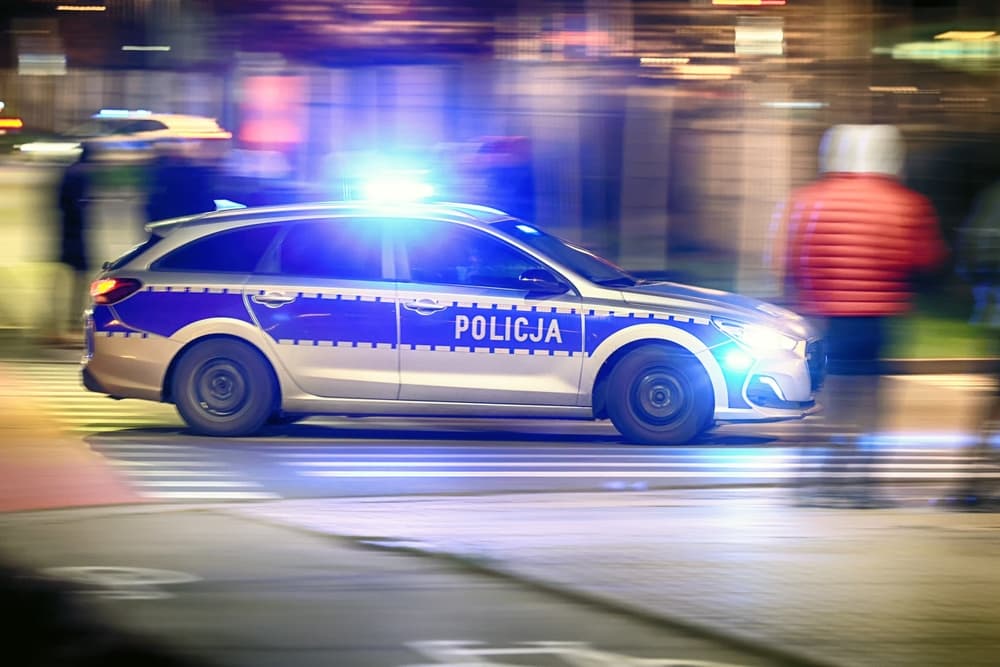
The issue of security at mass events became acute after the shooting on November 7 in central Krakow: according to Polish police, an armed man opened fire on pedestrians from a car. Six people were killed and 16 more were wounded, including police officers. The suspect was detained after a shootout; he is wounded and hospitalized; later the bodies of his parents and sister were found in his home. The motives are being established by the investigation. According to Life.ru, two foreigners are among the victims, and Krakow Mayor Łukasz Gibała declared mourning until November 11; Tusk and Interior Minister Marcin Kierwiński headed to the city.