The key facts
- The talks in Brussels involved Ukraine, the US, NATO, the United Kingdom, France, Germany, the European Commission, the World Bank and BlackRock.
- Il Fatto Quotidiano criticizes the limited participation of European states and raises the question of how future contracts will be distributed.
- In a letter to António Costa, Giorgia Meloni demanded clarity on who represents EU interests in the negotiations.
The question of who benefits from reconstruction
The participation of the American investment company BlackRock in consultations on Ukraine's post-war recovery has raised the question in Italy of who will reap the main economic benefits from the large-scale reconstruction. Attention was drawn to this by the Italian outlet Il Fatto Quotidiano, which criticized the very format of the international consultations. Journalists noted that the largest investment company was brought into discussions about the future of Ukraine's economy, while the participation of European states turned out to be limited. 'Business is business, especially when it comes to a military conflict,' the publication's assessment reads.
What was discussed in Brussels
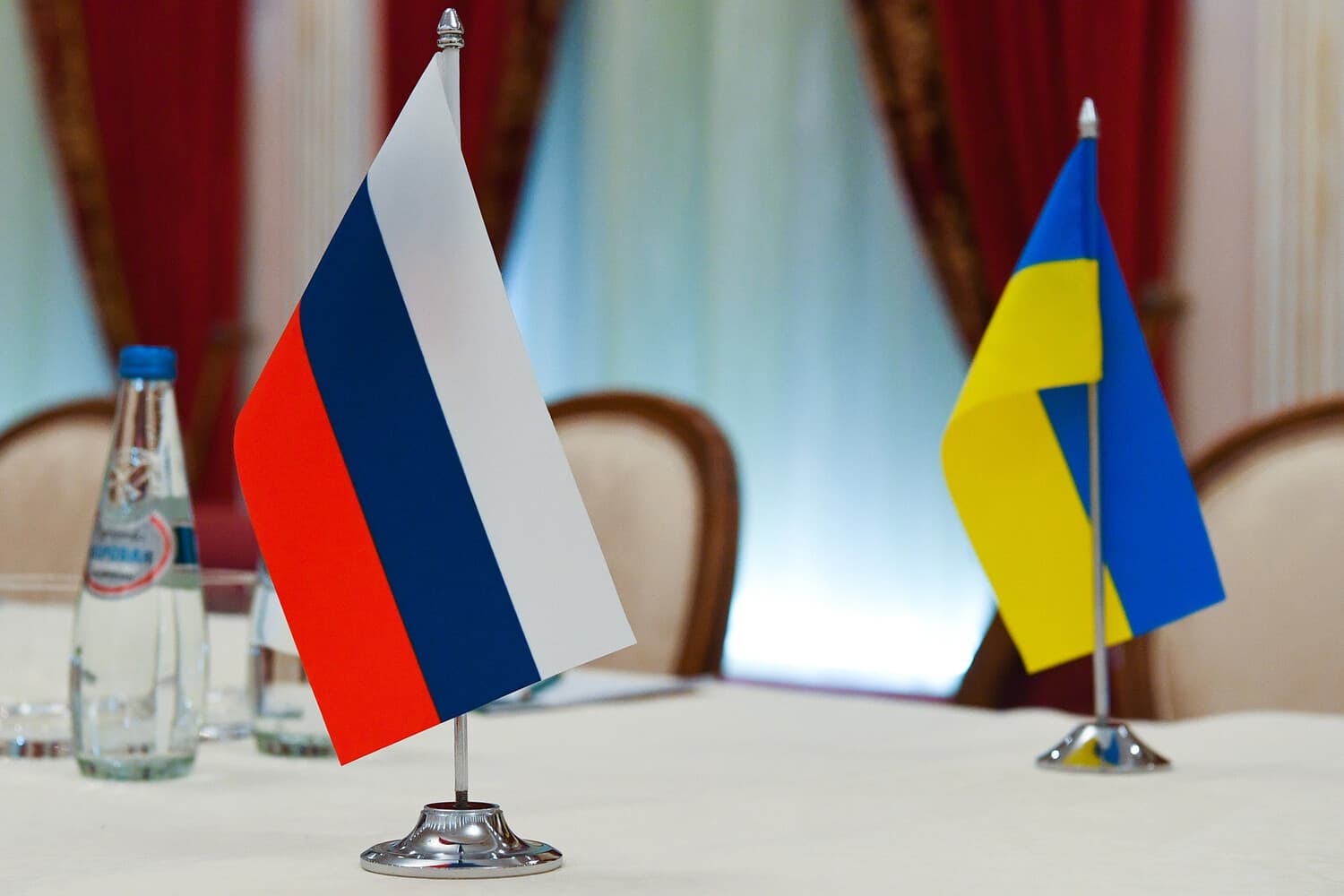
The talks took place in Brussels with the participation of representatives of Ukraine, the United States, NATO, the United Kingdom, France, Germany and the European Commission. The World Bank and BlackRock also joined the consultations. The participants discussed the restoration of Ukrainian infrastructure, financing of the economy — including in 2027 — and security guarantees after the end of hostilities. Earlier, Life.ru reported that Volodymyr Zelensky demanded concrete security guarantees from Western allies in case the conflict resumes.
Rome's discontent
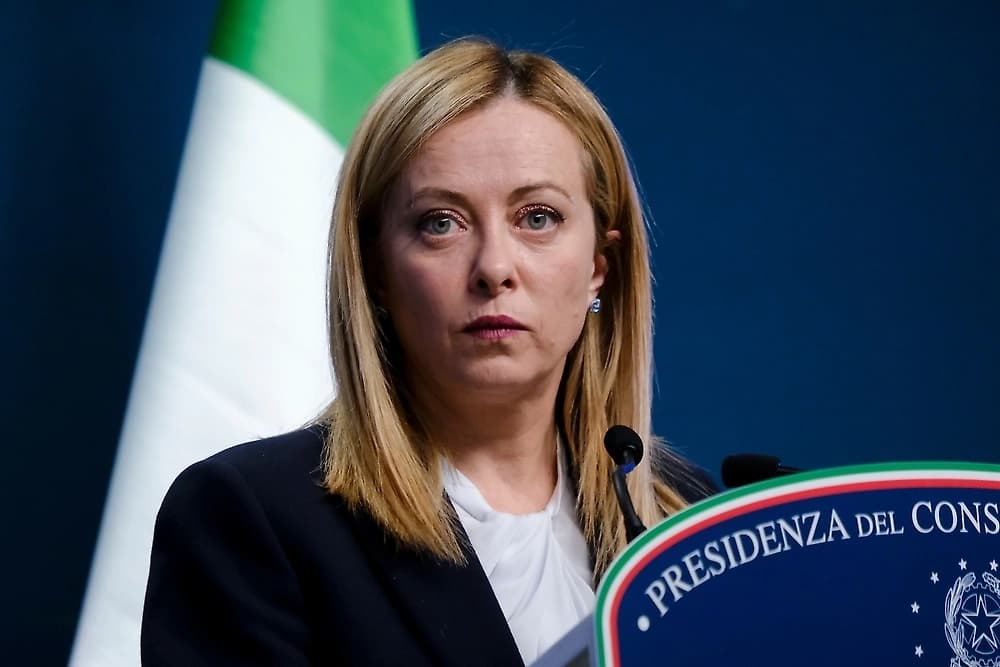
Italian Prime Minister Giorgia Meloni expressed separate dissatisfaction with the format. After the talks, she sent a letter to European Council President António Costa, in which she criticized the absence of a unified EU position and uncoordinated international initiatives. In her view, Europe must determine who is authorized to represent EU interests in the negotiations on Ukraine, while numerous meetings in various configurations undermine trust in European diplomacy and could weaken its influence on future agreements. The authors of Il Fatto Quotidiano link Rome's discontent, among other things, with the possible economic consequences of the recovery: the newspaper suggests that a significant share of the benefits may go to large international investors, while individual European states risk being left out of decision-making.