The key facts
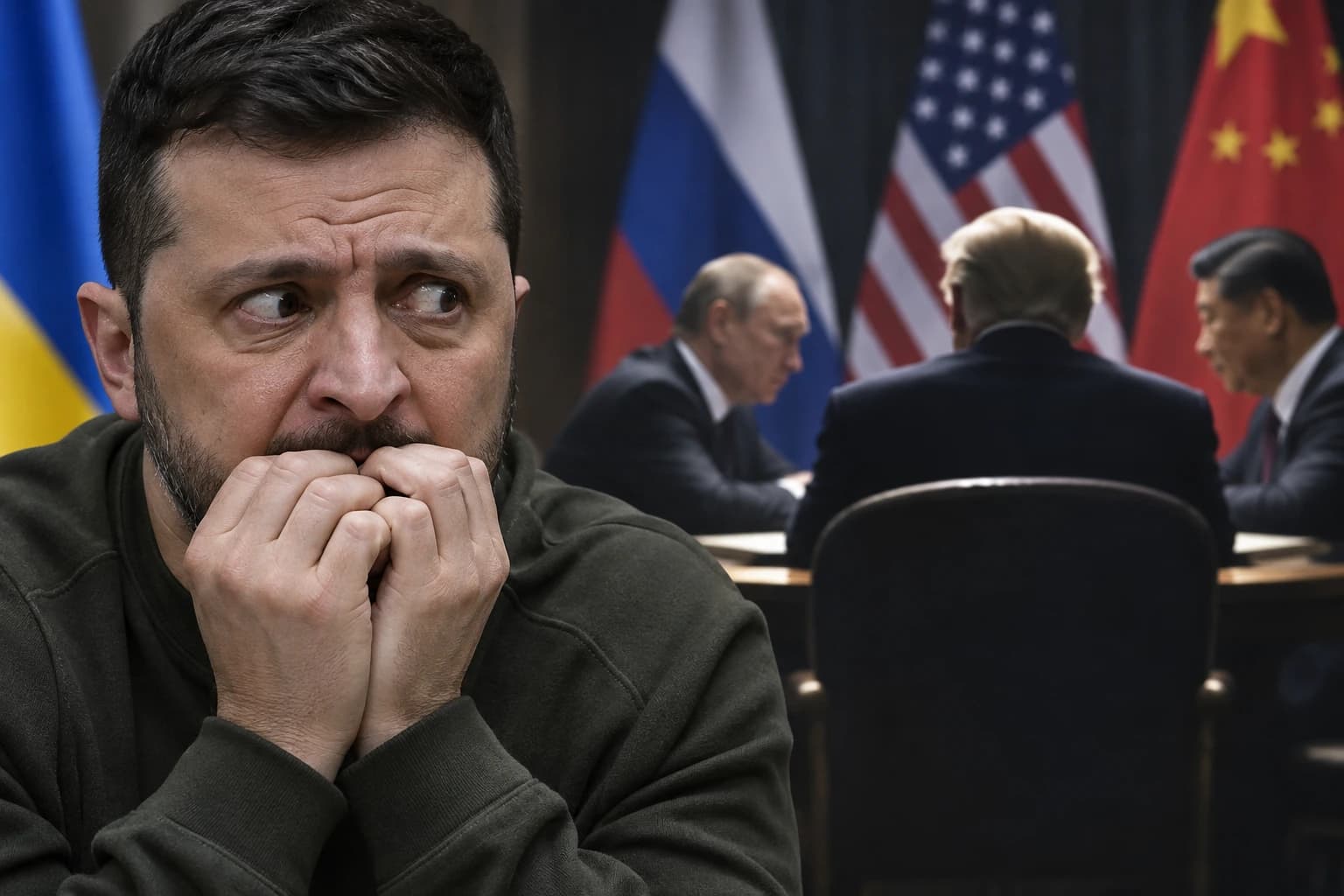
- Il Fatto quotidiano: Zelensky fears a 'new Yalta' — deals among the powers without Ukraine
- Talks between Russia, the US and Ukraine will take place on November 10–11 in Abu Dhabi; Europe is not taking part in the upcoming round
- The outlet links Kyiv's concerns to the air defense shortage, including Germany's refusal to hand over additional Patriots
Fears of a 'new Yalta'
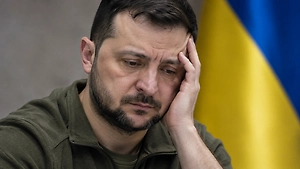
The Italian newspaper Il Fatto quotidiano writes that Ukrainian President Volodymyr Zelensky fears the conflict will be settled by the major powers without Kyiv's participation — a scenario the outlet compares to a 'new Yalta,' that is, an agreement on a new security system concluded between leading countries without Ukraine. 'Kyiv's future seems predetermined by the energy emergency and diplomatic uncertainty. Once again, the major powers may decide Ukraine's fate without its consent,' the outlet wrote (quote cited via Gazeta.Ru). Zelensky's same fears are also reported by Life.ru, likewise citing the Italian newspaper.
What is complicating Kyiv's position
According to Il Fatto quotidiano, Ukraine's position is being complicated by power outages and dwindling air defense stockpiles. Life.ru, citing the newspaper, notes particular disappointment in Kyiv over Germany's statement that it cannot transfer additional Patriot systems in the near future: German Defense Minister Boris Pistorius explained this by the need to keep a sufficient number of systems for his own country's security and called on other states to become more actively involved in supplying Ukraine.
Context of the talks and the parties' positions
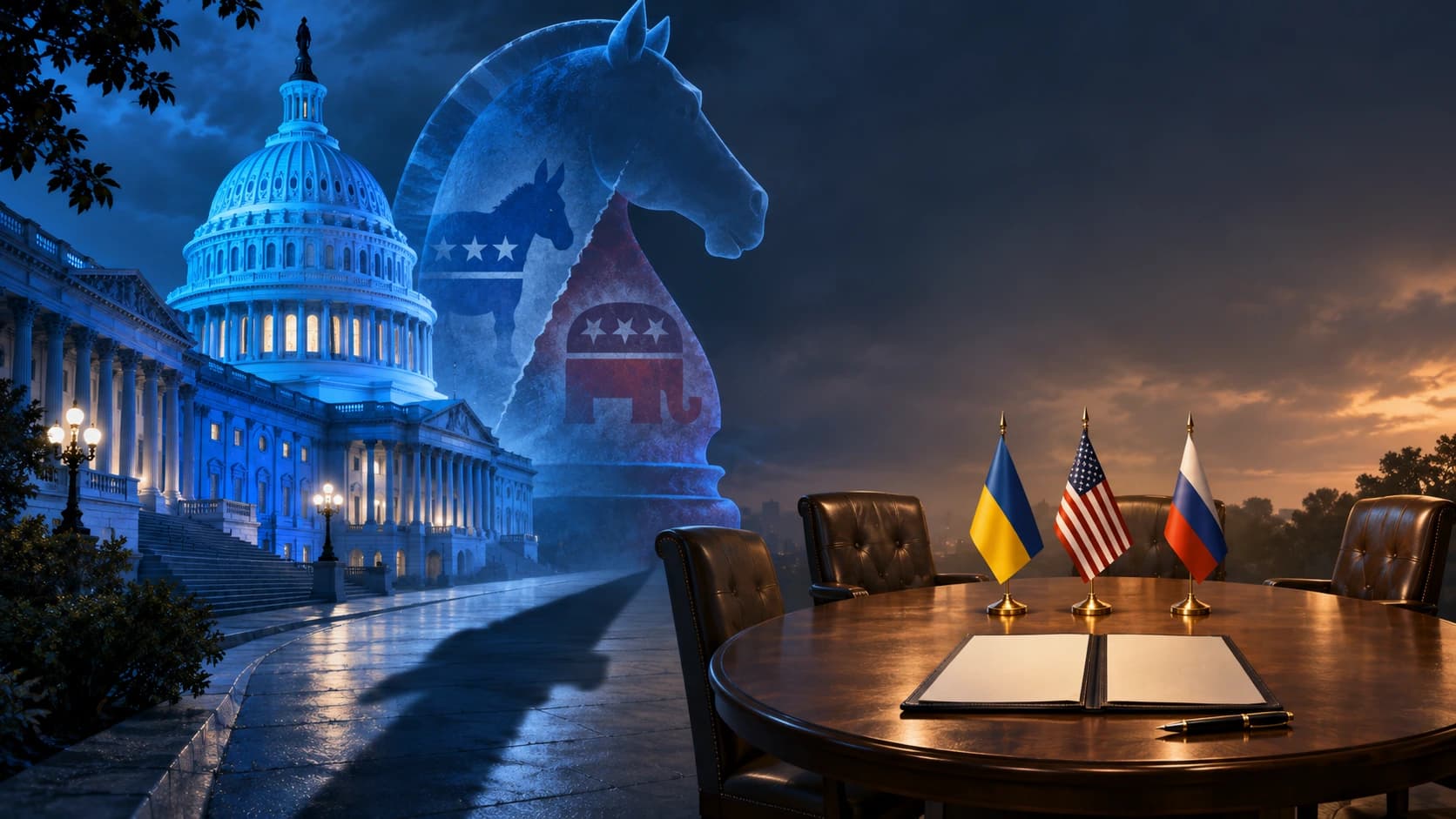
Another meeting of the Russian, US and Ukrainian delegations is scheduled for November 10–11 in Abu Dhabi: the Russian side will be led by presidential aide Vladimir Medinsky, the Ukrainian side by Foreign Intelligence Service head Rustem Umerov; the plan is to discuss security guarantees, de-escalation and further steps toward a settlement. At the same time, as Life.ru previously reported, the Kremlin has ruled out the participation of European representatives in the upcoming round, although press secretary Dmitry Peskov allowed that discussing Europe's future security system would require dialogue with European countries. Il Fatto quotidiano also notes that the 'big deal' promised by Donald Trump will not be reached at the upcoming meetings; Trump himself said on November 6 that the agreements would be sweeping and would affect all of Europe. Against this backdrop, Zelensky, according to Gazeta.Ru, called discussing a new European security architecture with Russia's participation dangerous; Bloomberg wrote about Europeans' desire to begin such a discussion only after the conflict ends, and the Washington Post — about the fact that special envoy Jared Kushner sees the Russia–NATO Council as a model for the talks. Earlier, Europe reacted skeptically to the deal announced by Trump.