The key facts
- In the event of an attack on the Élysée Palace, Macron could take shelter in a secret bunker on the outskirts of Paris
- Evacuation plans began to be developed in 2018 after the «yellow vest» protests
- The intelligence services are preparing for unrest, cyberattacks and an armed mutiny during the 2027 election period
Evacuation plan and secret bunker
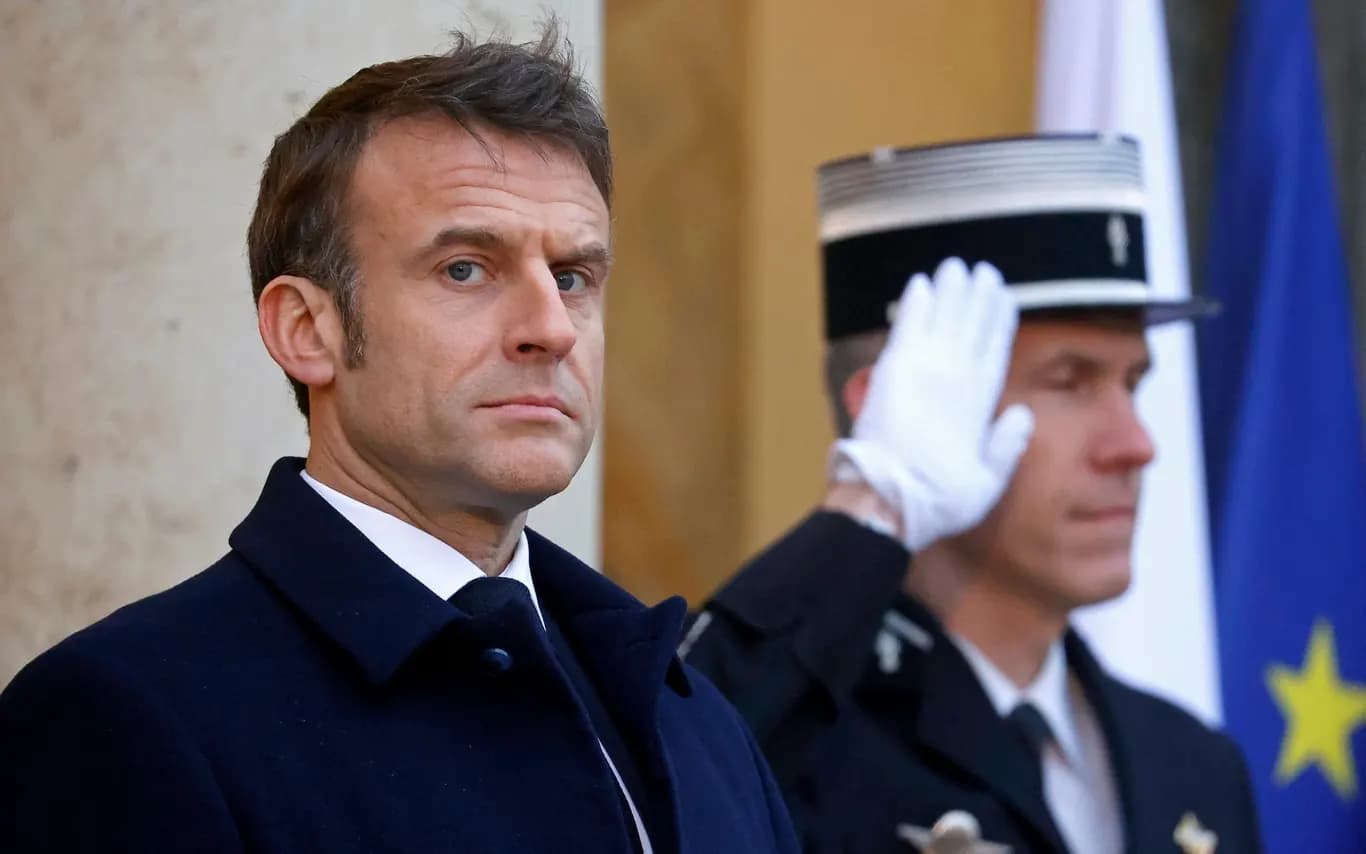
French President Emmanuel Macron, in the event of mass unrest or an attack on the Élysée Palace, could take shelter in a secret bunker on the outskirts of Paris. This is reported by The Telegraph following a journalistic investigation, citing the book «The New Army of Shadows» (La Nouvelle Armée des Ombres) by Pierre Gastineau, Antoine Isambart and Franck Renaud. The president's evacuation plan was drawn up as part of enhanced security measures ahead of the 2027 presidential election.
Origins: the 2018 protests
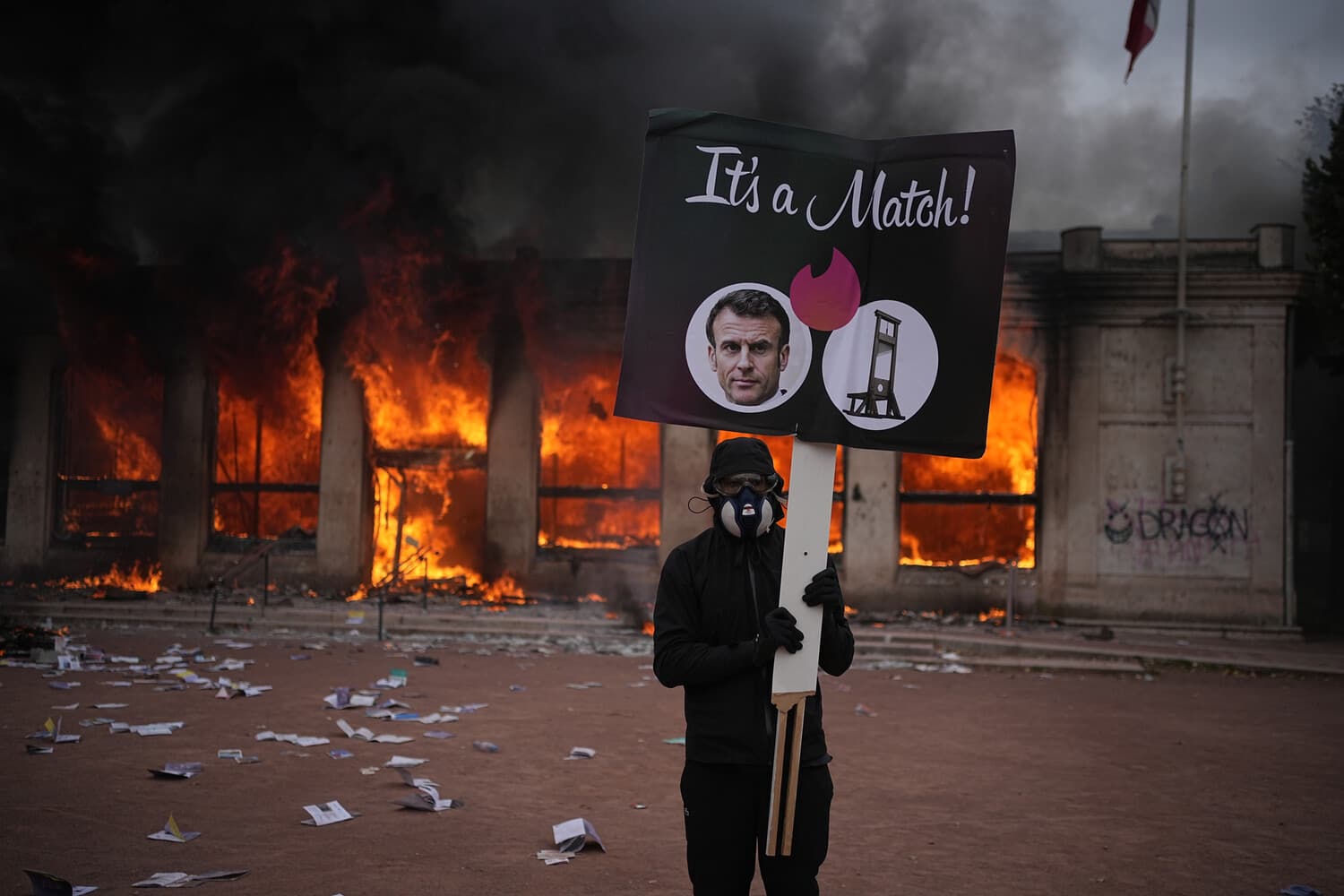
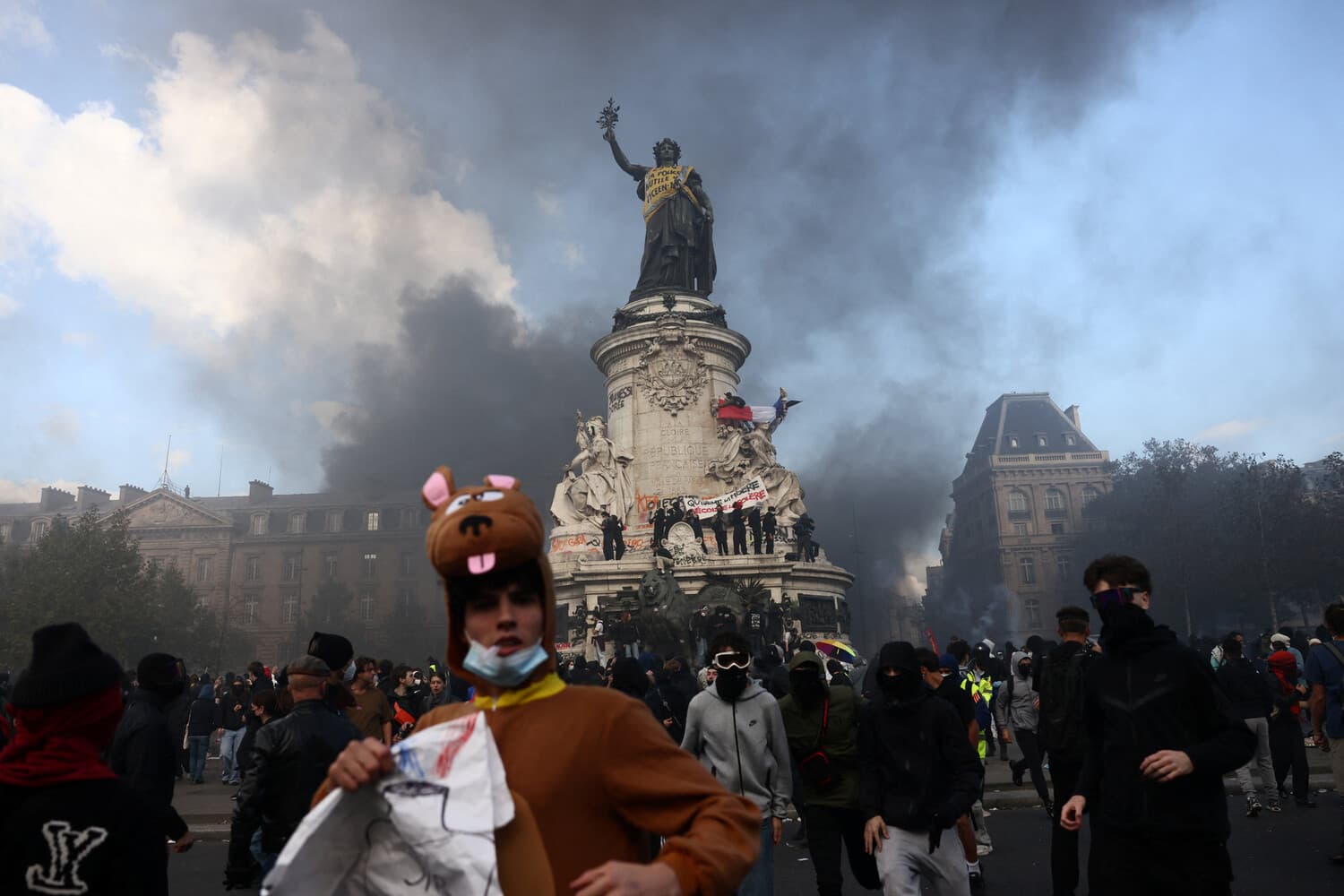
According to the book's authors, plans for Macron's evacuation began to be developed in 2018 after the «yellow vest» protests. At that time, the president was confronted by demonstrating protesters during a visit to the city of Le Puy-en-Velay. Since then, the publication notes, preparations have expanded considerably: the intelligence services are preparing for scenarios of mass unrest, sabotage operations, cyberattacks and armed mutiny that could occur during the 2027 election.
Scenarios for the 2027 election
According to sources interviewed by the book's authors, if National Rally leader Marine Le Pen wins, left-wing radicals, young people from the suburbs and rural activists could take to the streets to protest against the election results. In the event of a victory by the left-wing politician Jean-Luc Mélenchon, concerns are voiced about the possibility of passive resistance from the police.
Drills and service preparations
The Paris police conducted training exercises to prepare for a possible mutiny. The foreign intelligence service studied scenarios of election interference, while the capital's police practiced operating without encrypted smartphones for 24 hours in case of a large-scale cyberattack. The book also describes exercises involving the French and Belgian intelligence services and Frontex, which rehearsed scenarios of a possible nuclear accident in Algeria, a mass influx of migrants into Europe, and cyberattacks linked to the Russian «shadow fleet». In addition, the French special forces developed plans to defend parliament in the event of an armed mutiny, and the intelligence services are studying the possibility of restoring individual elements of the underground resistance networks of the Cold War era.
A military warning
At the same time, a former special forces unit commander stressed that using the army to suppress internal unrest is dangerous. In his view, the main threat lies in the possibility that the authorities may come to see the use of military force against their own population as the norm.