The key facts
- El-Sisi has instructed the National Authority for Crisis Management to study the creation of strategic reserves
- The authority is headed by the Chief of Staff of the Armed Forces, General Mohamed Abdel Rahman Rabia
- Egypt says it holds six months of basic food reserves and is increasing wheat purchases
A new presidential directive
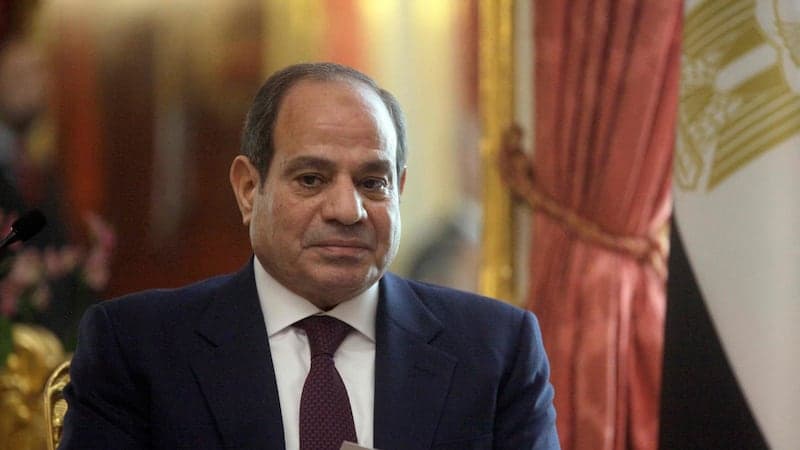
Egyptian President Abdel Fattah El-Sisi has ordered the newly established National Authority for Crisis and Emergency Management to study the creation of state strategic reserves to deal with emergencies, 'in coordination with the country's institutions.' This is stated in a presidential statement issued on Saturday evening. The authority is headed by the Chief of Staff of the Armed Forces, General Mohamed Abdel Rahman Rabia, reports The National.
Context: war and supply vulnerability
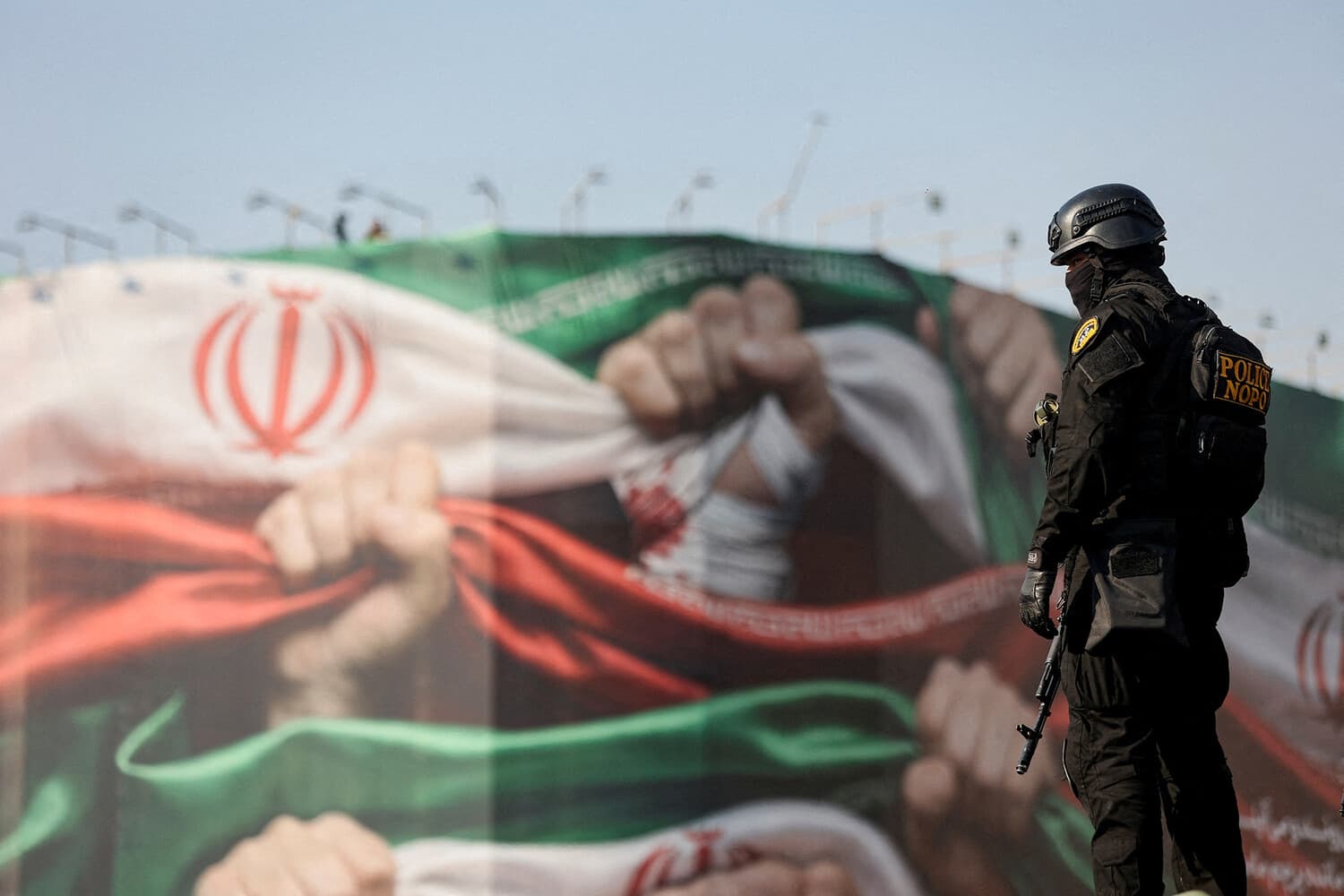
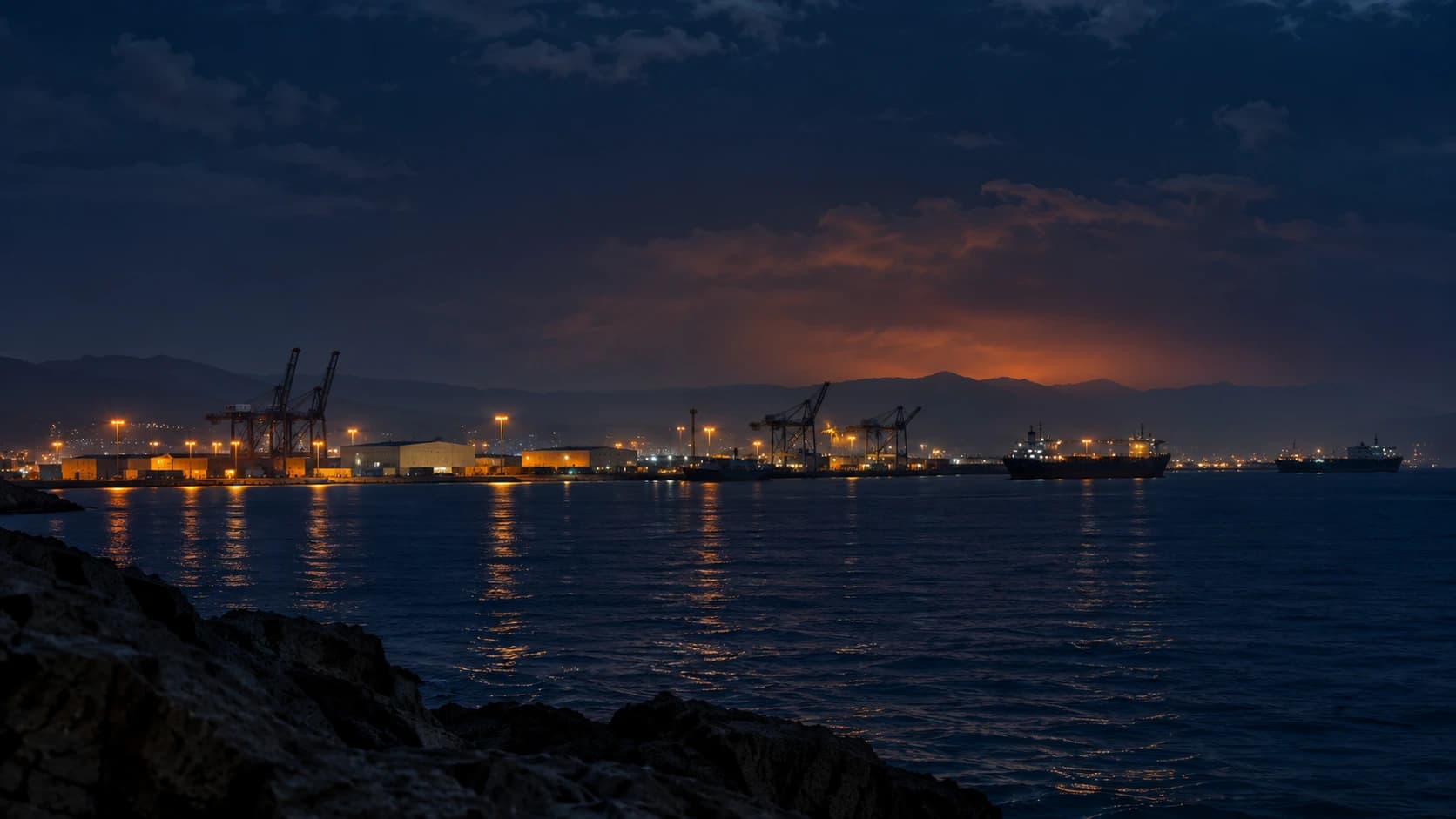
The directive comes amid growing concerns about a resumption of full-scale hostilities between Iran and the United States, which could disrupt supply chains. Last week, El-Sisi warned that a military escalation would have 'catastrophic' consequences for the region and the entire world, and urged all parties to seek a diplomatic solution 'before it is too late.' Egypt has largely avoided the fighting that has swept the Middle East since the start of Iran's war on February 28, but in July a drone strike caused a fire on a gas tanker off the Mediterranean port of Damietta; no one has claimed responsibility for the attack, and Cairo has not publicly named those behind it.
Military readiness and food reserves
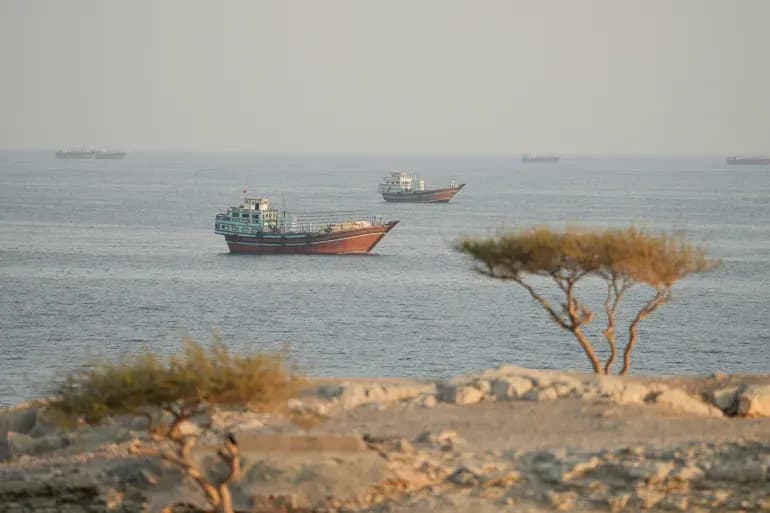
According to sources cited by The National, Egypt's armed forces have been placed on heightened combat readiness: air defense systems have been reinforced along the vulnerable Red Sea coast and on the Suez Canal in case the fighting spreads. Last month, Cairo announced plans to send troops to Saudi Arabia to protect its ally from attacks by Yemen's Houthis; parliament approved the deployment, but neither Cairo nor Riyadh has confirmed the arrival of Egyptian forces. The government has also reported sufficient reserves of basic foodstuffs for six months, and the state importer Future of Egypt has purchased five consignments of wheat — one of the largest purchases in six months. Sources note that the country of 110 million people is closely monitoring its food reserves, primarily wheat flour, fearing supply disruptions in the event of an escalation in the Red Sea.