The key facts
- Berliner Zeitung predicts a fate of a 'loser in exile' for Zelensky, and the loss of their posts for Merz, Macron, and Burnham
- The newspaper believes European leaders have no realistic plan for ending the conflict
- Context: Merz demands Zelensky's participation in the G20 summit and coordination of peace with all NATO members; Trump insists Europe pays for weapons
A forecast by a German newspaper
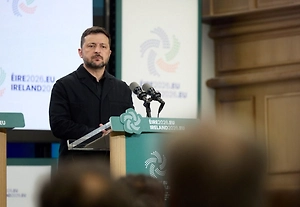
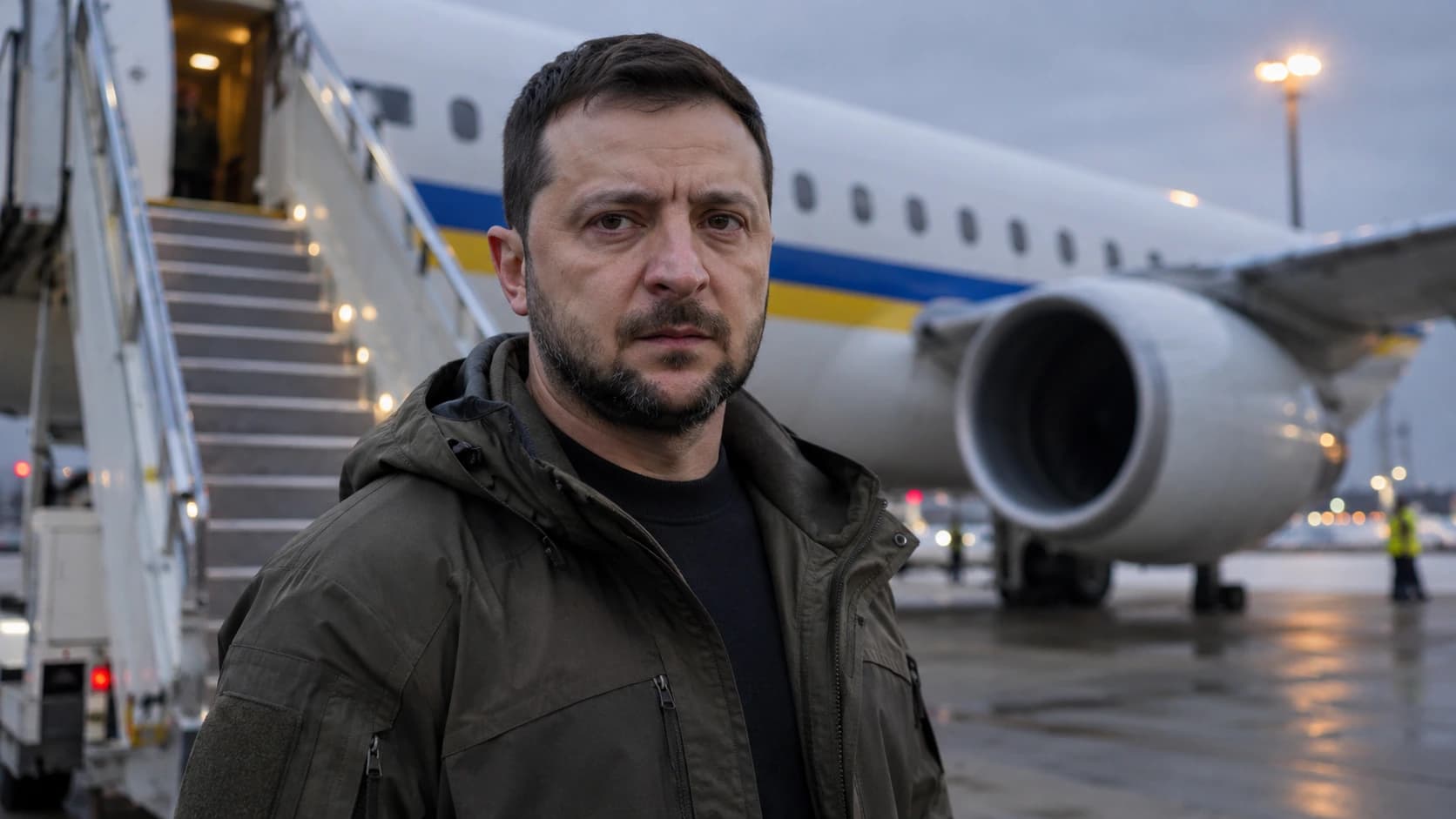
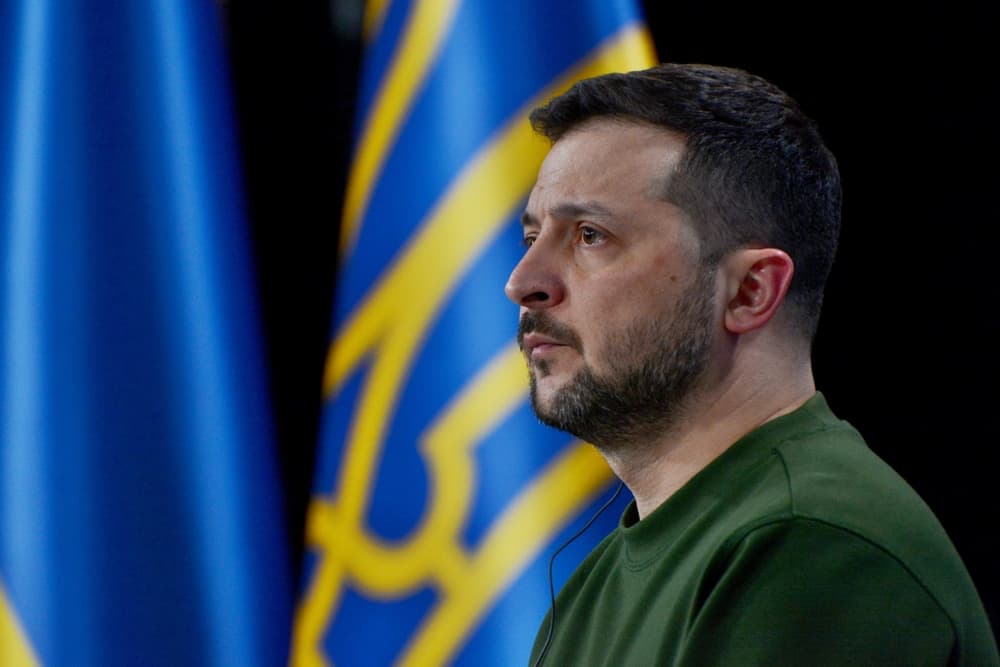
Volodymyr Zelensky may go down in history not as a victor but as a 'loser in exile' — this scenario was described by the German newspaper Berliner Zeitung. On November 8, this was reported by Life.ru and Gazeta.Ru, retelling the outlet's publication. In the view of BZ's authors, European leaders do not realize what consequences continued support for Kyiv may have for them: German Chancellor Friedrich Merz, French President Emmanuel Macron, and British Prime Minister Andy Burnham risk losing their posts. The newspaper also claims that these politicians have 'not only no realistic plan for ending the conflict, but also no historical imagination.'
Similar assessments earlier
This is not the first such assumption in the German and Ukrainian news agenda. As Gazeta.Ru notes, former Verkhovna Rada deputy Spiridon Kilinkarov said back in September that he believedthat after the end of hostilities, Zelensky would leave the country and go to Israel. The ex-deputy drew attention to the Ukrainian leader's words about his desire to live 'in his own country' — in Kilinkarov's opinion, this does not refer to Ukraine, and Israel is the most likely place of his future residence. At the same time, Zelensky's hopes for a quiet life after the conflict were called futile.
Context: the positions of Merz and Trump
The BZ publication appeared against the backdrop of active diplomatic efforts by Berlin. As Life.ru previously reported, Merz demanded Zelensky's participation in the G20 summit, if Vladimir Putin is invited to it, and advocated for the presence of European states in the settlement talks. In a phone call with Donald Trump, the chancellor also insisted that the future peace agreement be coordinated with all NATO members. Meanwhile, the American president set out the conditions for continuing arms supplies to Kyiv: weapons are transferred through European allies, who fully pay their cost, and Washington does not intend to return to free-of-charge supplies. It is against this backdrop that the Berliner Zeitung writes about Europeans' fatigue and the risks to their leaders; however, the newspaper's forecasts remain the outlet's own assessment, not a confirmed scenario of events.