The key facts
- Bahrain will return its ambassador to Baghdad — the decision was conveyed by Foreign Minister Abdullatif bin Rashid Al Zayani
- Ambassador Khalid Al Mansour left Baghdad in April amid drone attacks on US bases
- Ali al-Saidi's visit to Manama was the first for a head of post-Saddam Iraq
Return of the Ambassador
Bahrain has decided to send its ambassador back to Baghdad, ending the diplomatic rift. The kingdom's foreign minister announced the decision on Saturday, November 8 Abdullatif bin Rashid Al Zayani, in a phone call with his Iraqi counterpart Fuad Hussein, the Iraqi foreign ministry reported. Al Zayani highly praised the visit of Iraqi Prime Minister Mohammed Shia al-Sudani — wait, the visit of Prime Minister Ali al-Saidi — and stated that Manama is restoring its representative in Baghdad, calling it a reflection of the desire to strengthen relations and expand cooperation. Hussein, for his part, confirmed Baghdad's interest in developing bilateral ties; the ministers also discussed the regional situation and the importance of coordination.
Background of the Rift
Bahrain's ambassador Khalid Al Mansour left Baghdad in April amid regional tensions: Manama summoned the Iraqi chargé d'affaires in protest over drone attacks claimed by pro-Iranian armed groups, which said the strikes targeted American military bases in Bahrain. The ambassador's return holds both symbolic and practical significance for Baghdad: it restores full diplomatic representation at a time when Iraq is trying to position itself as a mediator between regional powers rather than an arena for their disputes.
Context of the Visit and Regional Tour
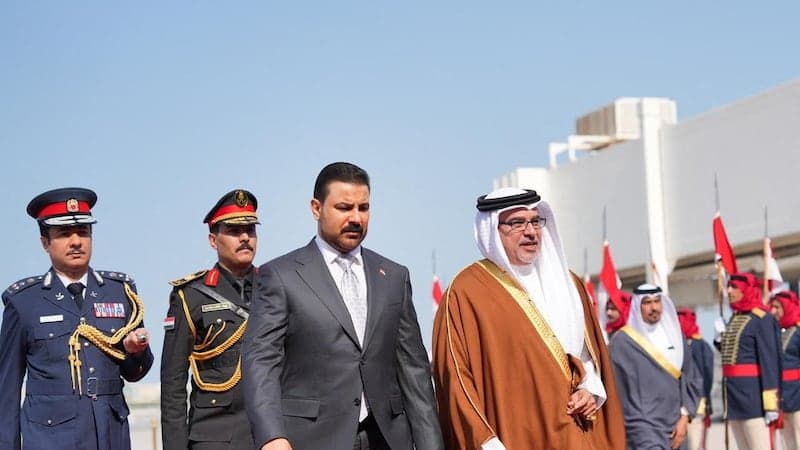
Al-Saidi's visit to Manama last week was described there as 'historic': it was the first visit by a leader of post-Saddam Iraq to Bahrain. The prime minister said he had come to 'revive the historic relations between the two countries'; he was received by Crown Prince Salman, with whom he held extended talks, followed by a meeting with King Hamad, to whom al-Saidi extended an invitation to visit Iraq. Since taking office in May, the Iraqi prime minister has been seeking to build relations with the Gulf states, promoting the '6+2' negotiation format — the six GCC states plus Iraq and Iran. Bahrain became the next stop on his two-week regional tour: earlier, al-Saidi visited Jordan and then Damascus, where he held the first talks between an Iraqi prime minister and Syrian President Ahmad al-Sharaa since the fall of Bashar al-Assad in 2024 — covering trade, investment, border security, and the restoration of the Kirkuk–Banias oil pipeline.