The key facts
- Muslim troops entered the Iberian Peninsula in 711; in 756 an independent emirate arose in Córdoba, and in 929 the city became a caliphate.
- In the 10th century, Córdoba was considered one of the largest and most developed centres of Europe.
- Construction of the famous mosque of Córdoba began in 784, and of the Giralda tower in Seville in 1184.
From emirate to caliphate
The outlet Kun.uz has published a historical essay on Andalusia — a region in the south of the Iberian Peninsula, which the author describes as an 'Eastern enclave' in Western Europe. The key dates in the piece are laid out as follows: in 711, Muslim troops entered the Iberian Peninsula, after which a new period began in the region; in 756, an independent emirate formed in Córdoba, and in 929 Córdoba became a caliphate.
Córdoba and Seville
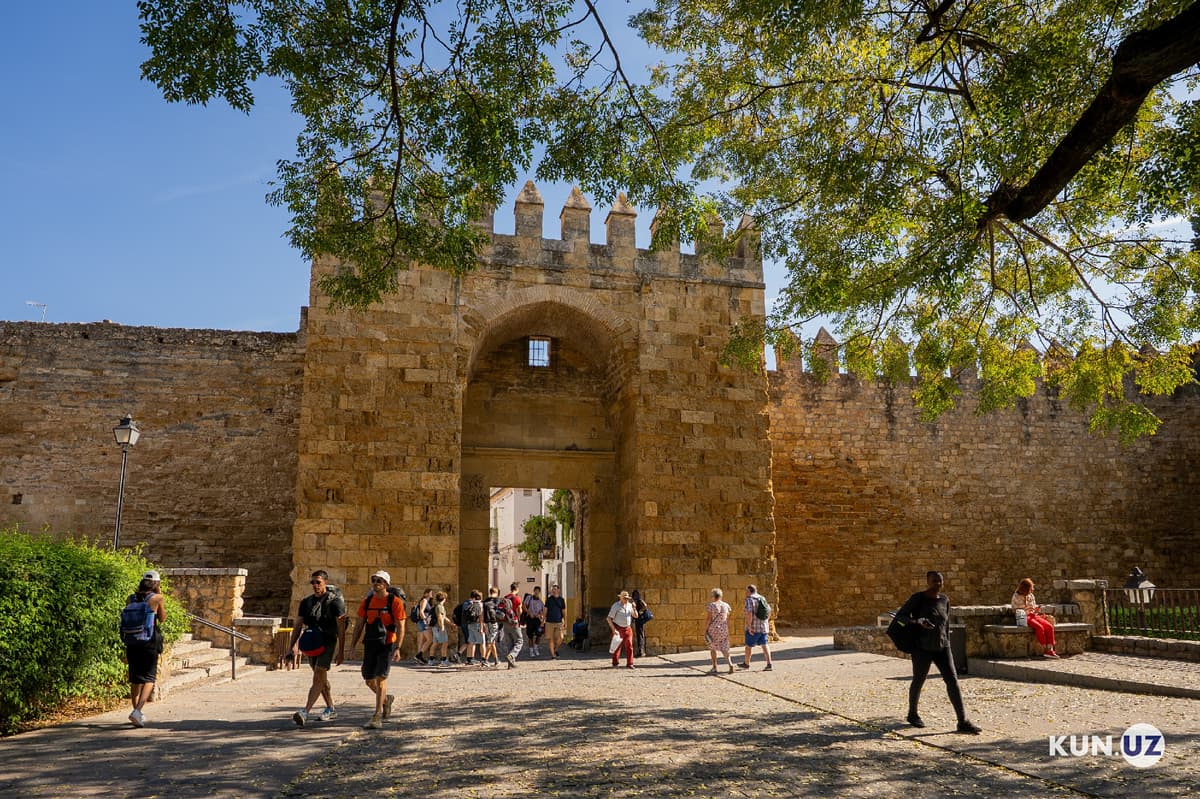
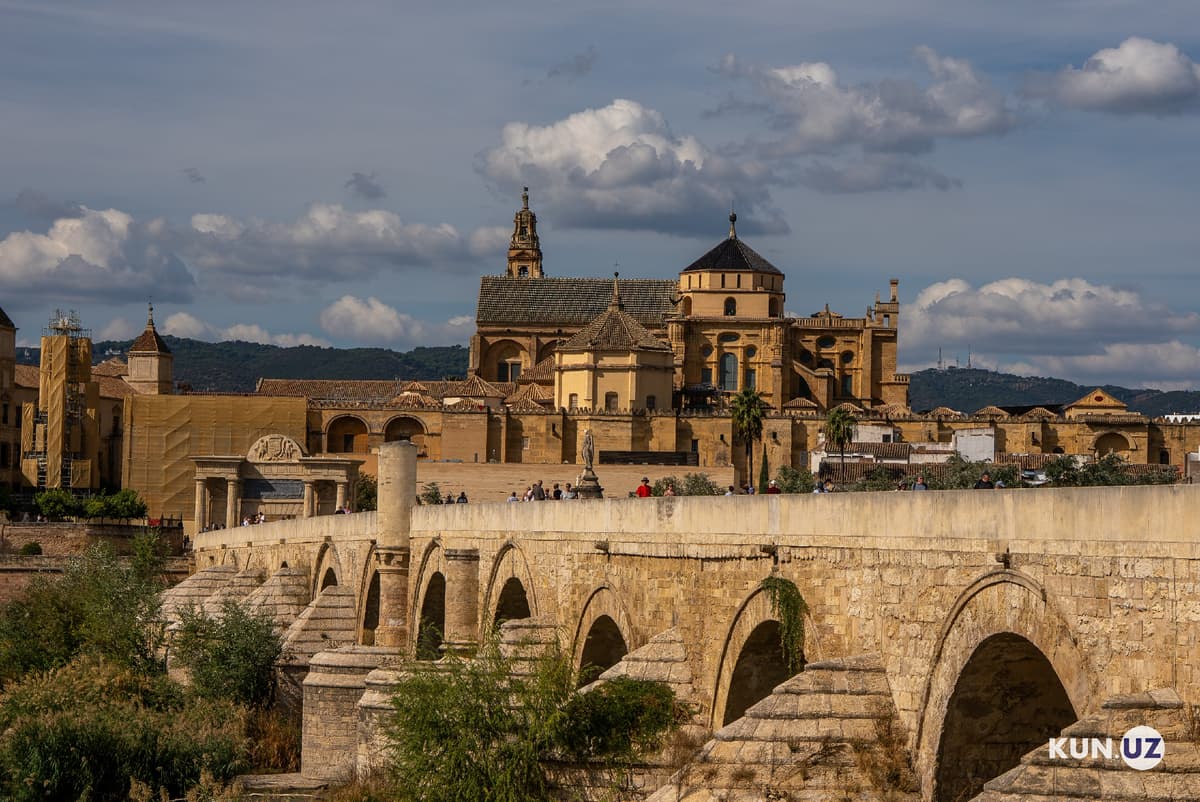
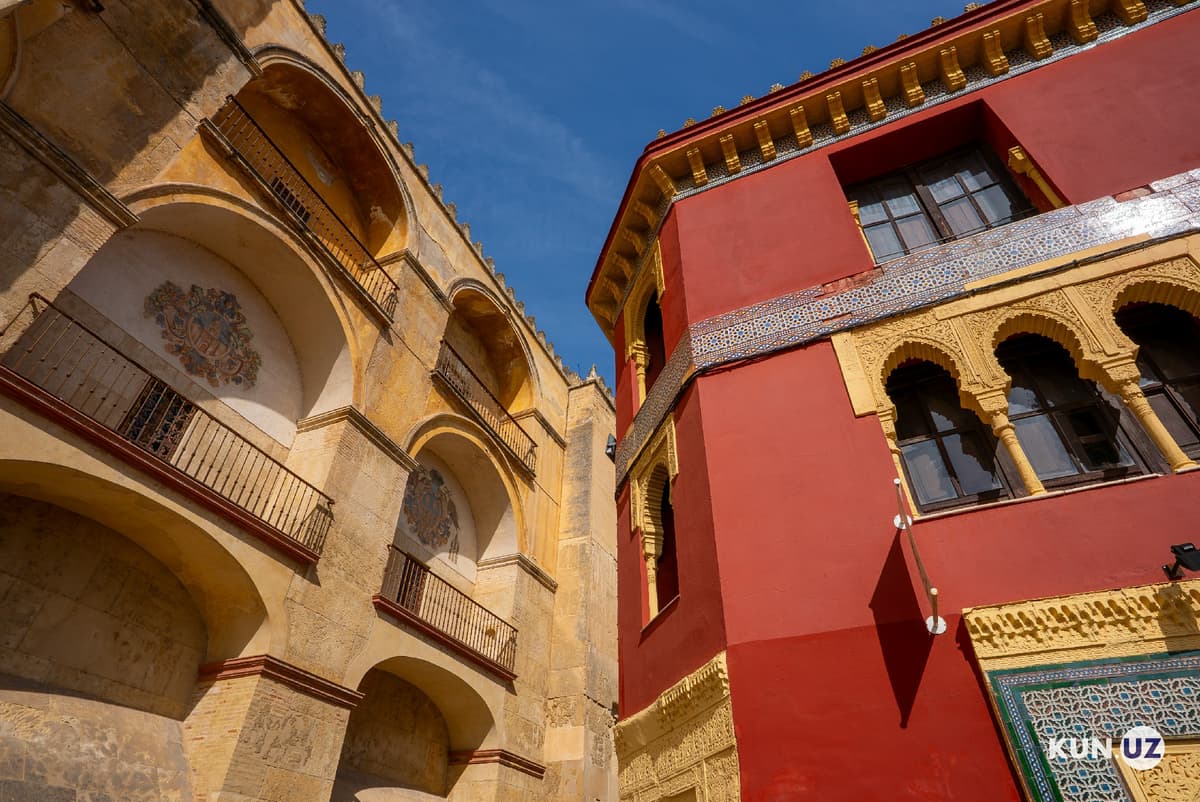
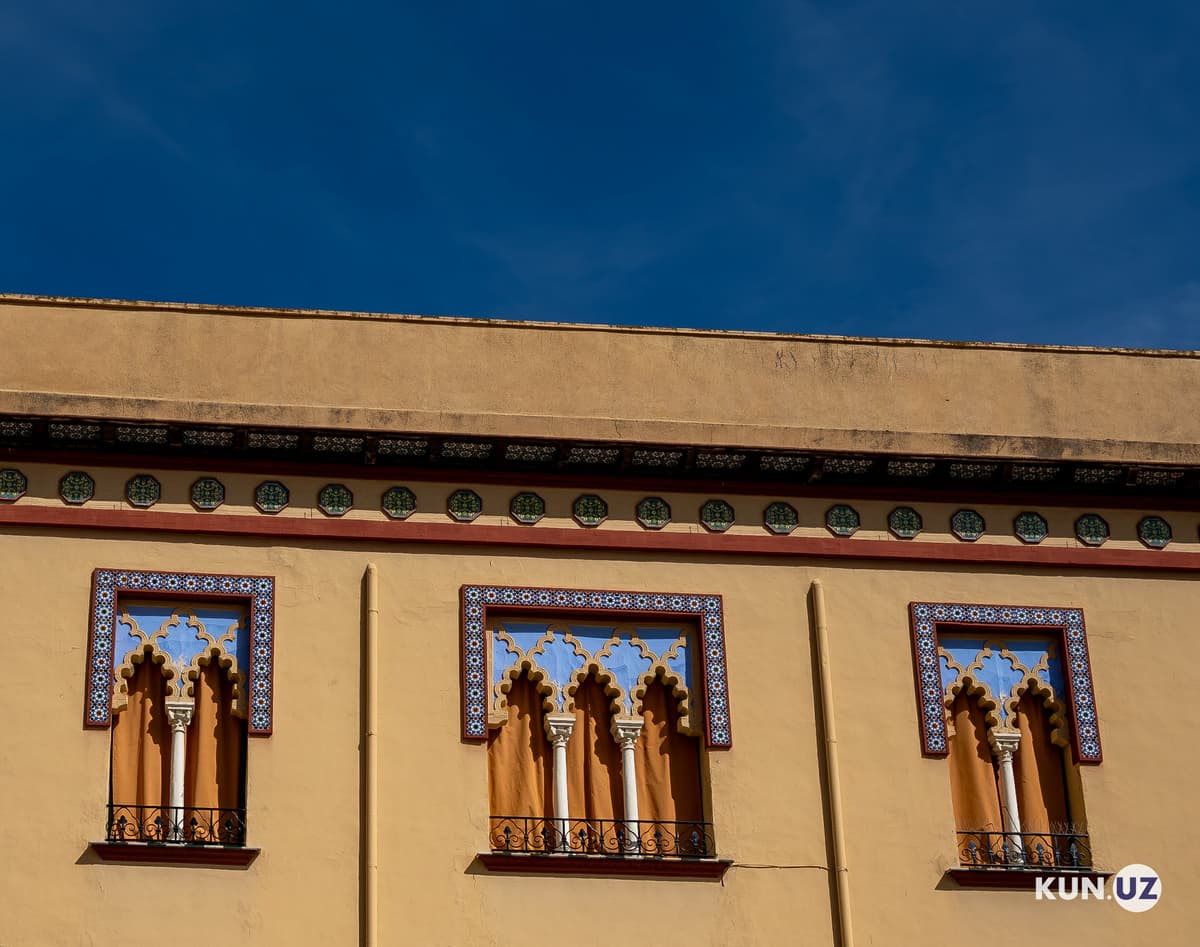
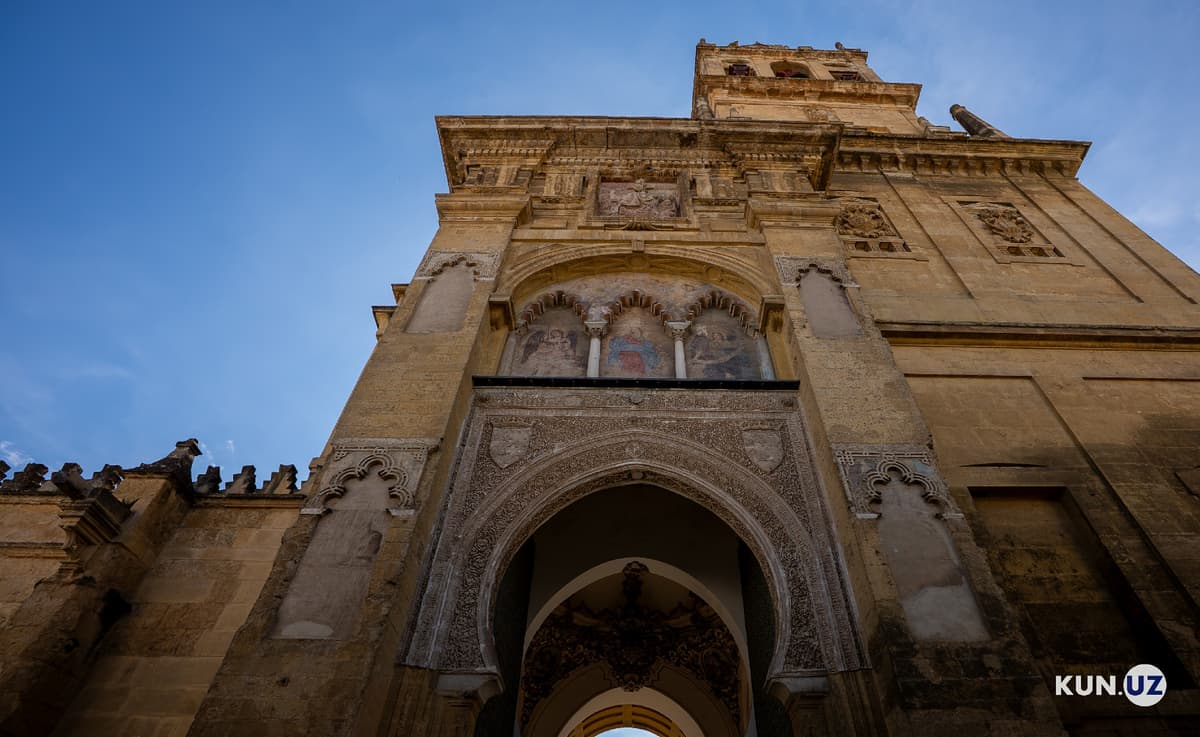
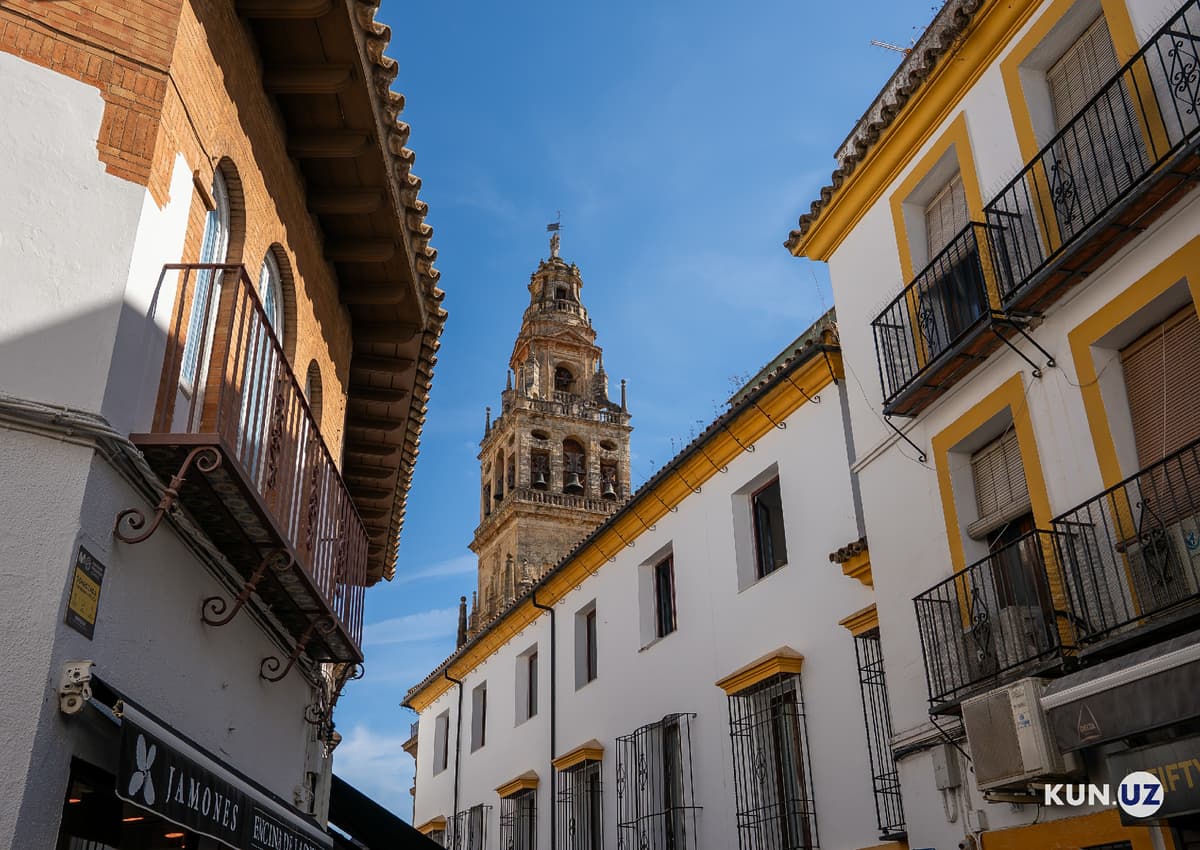
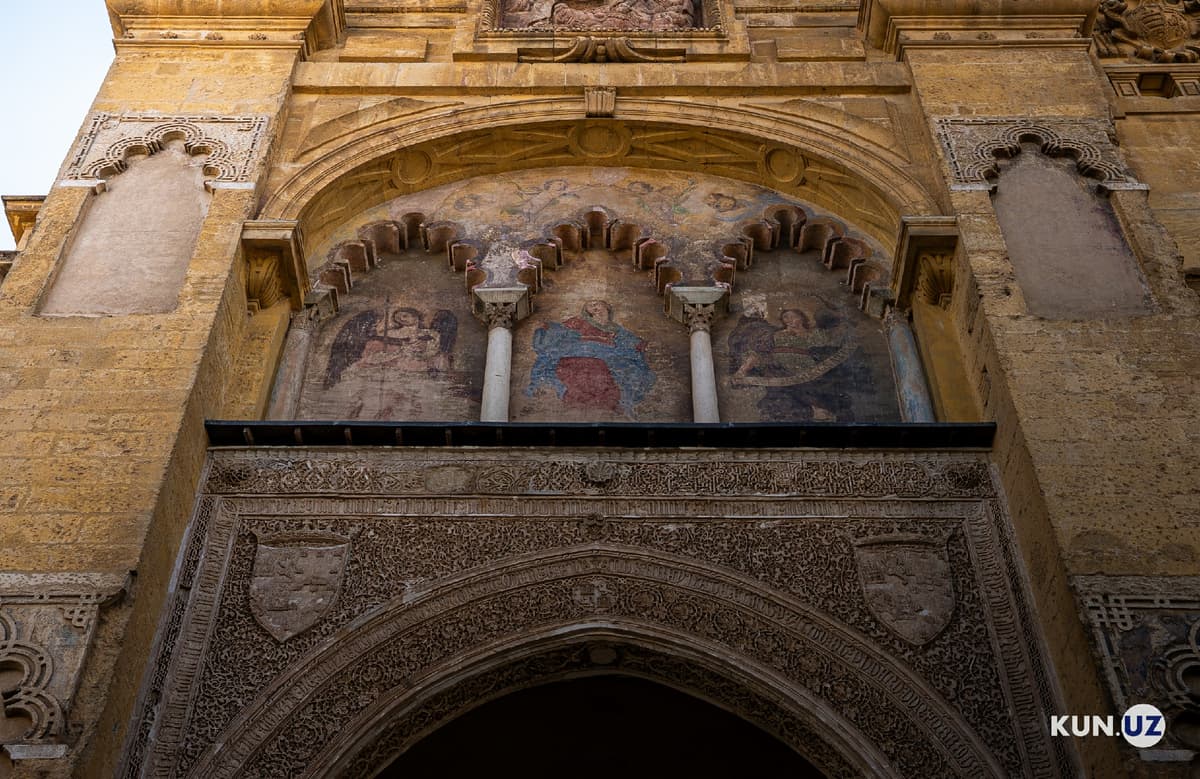
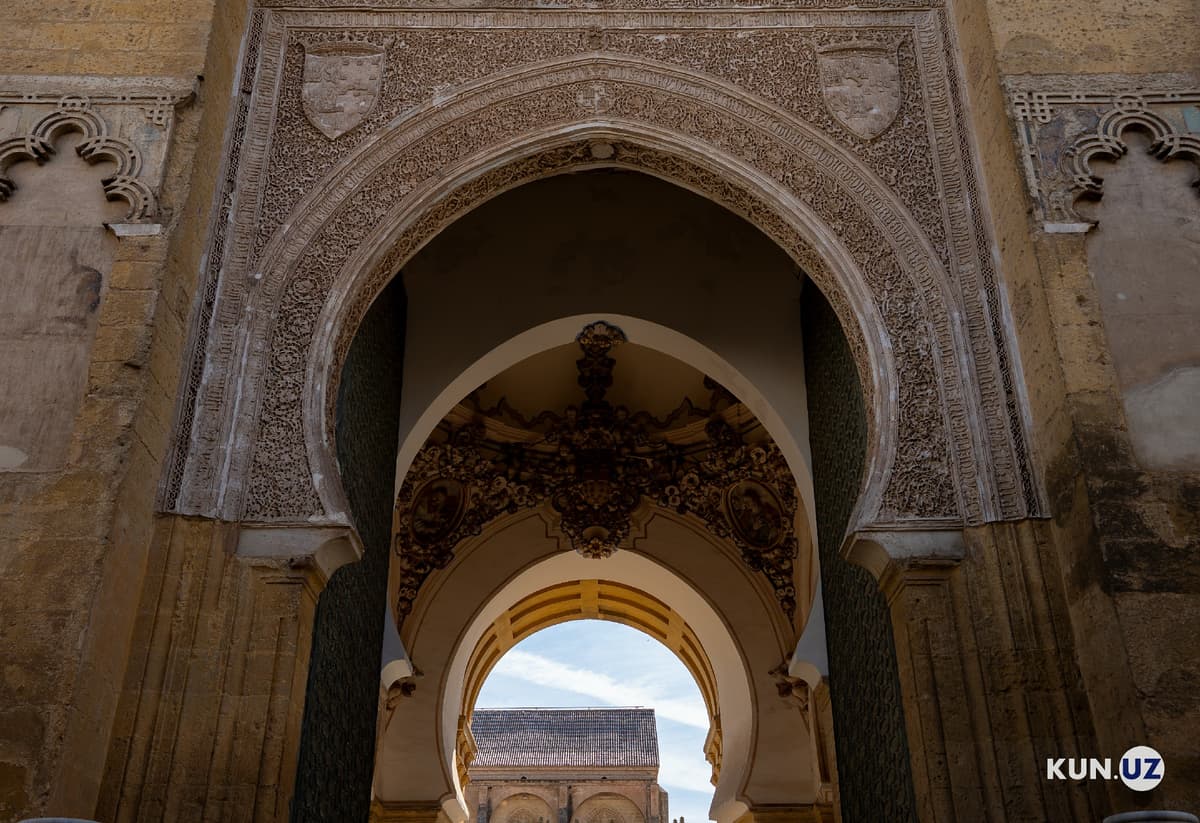
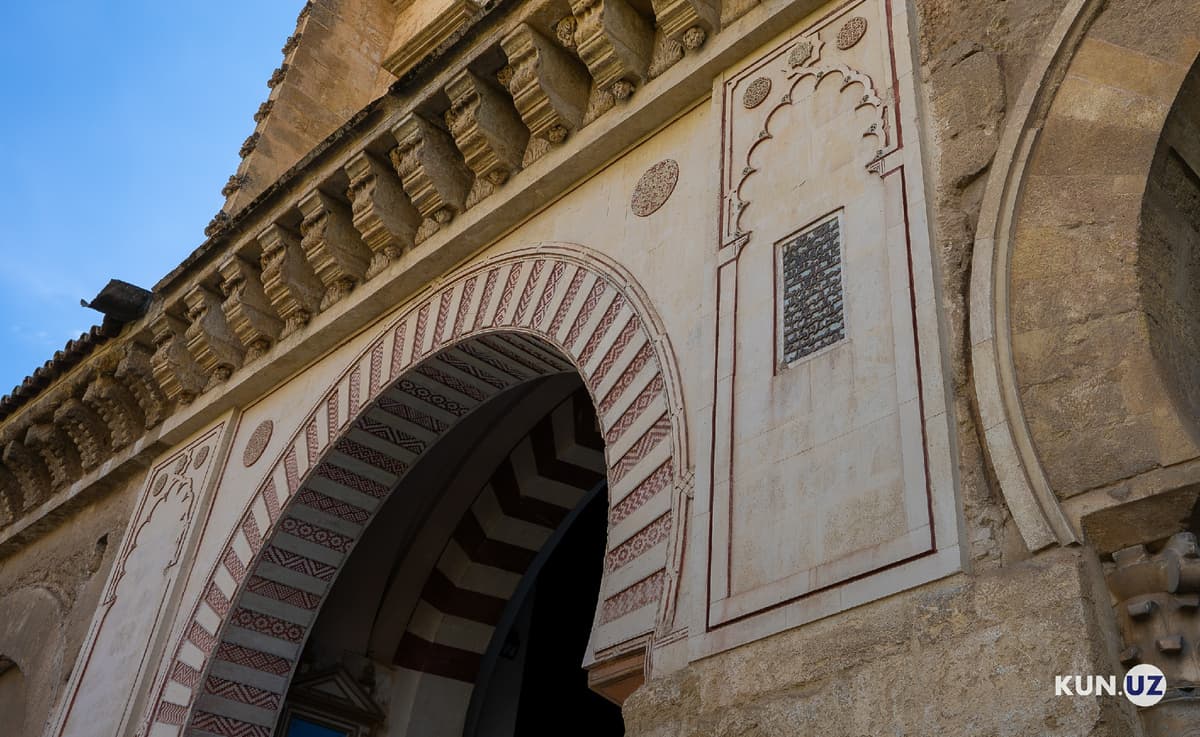
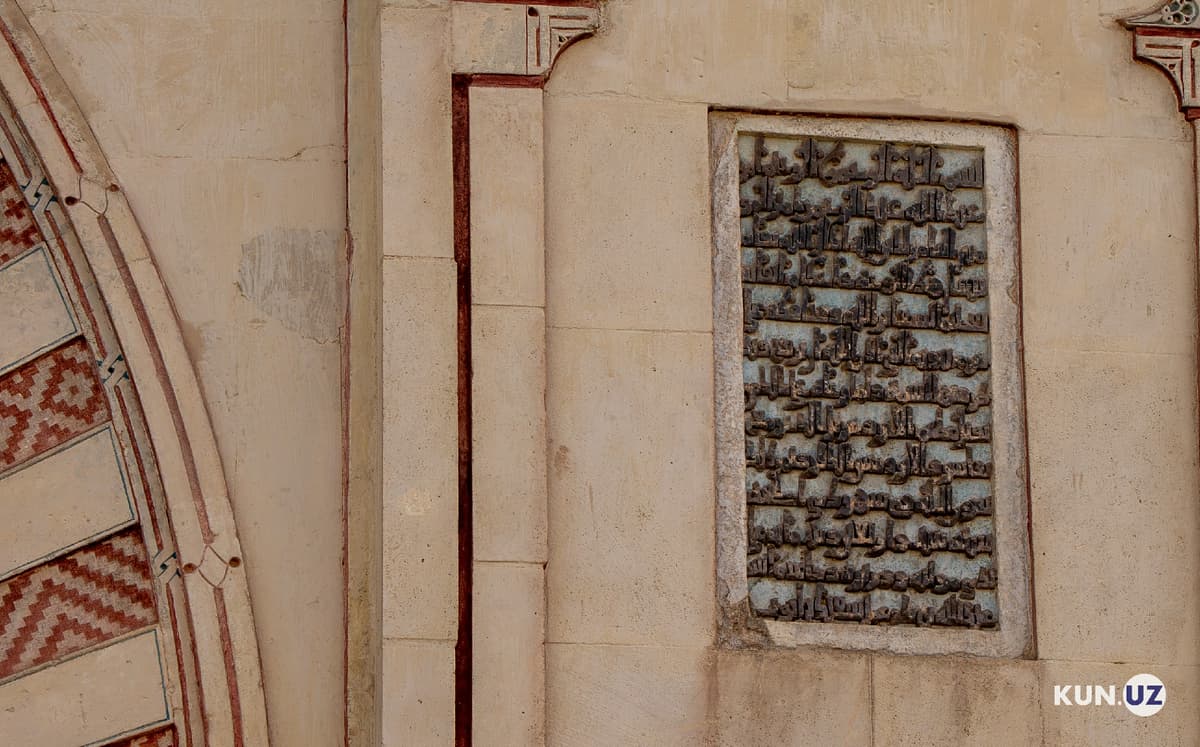
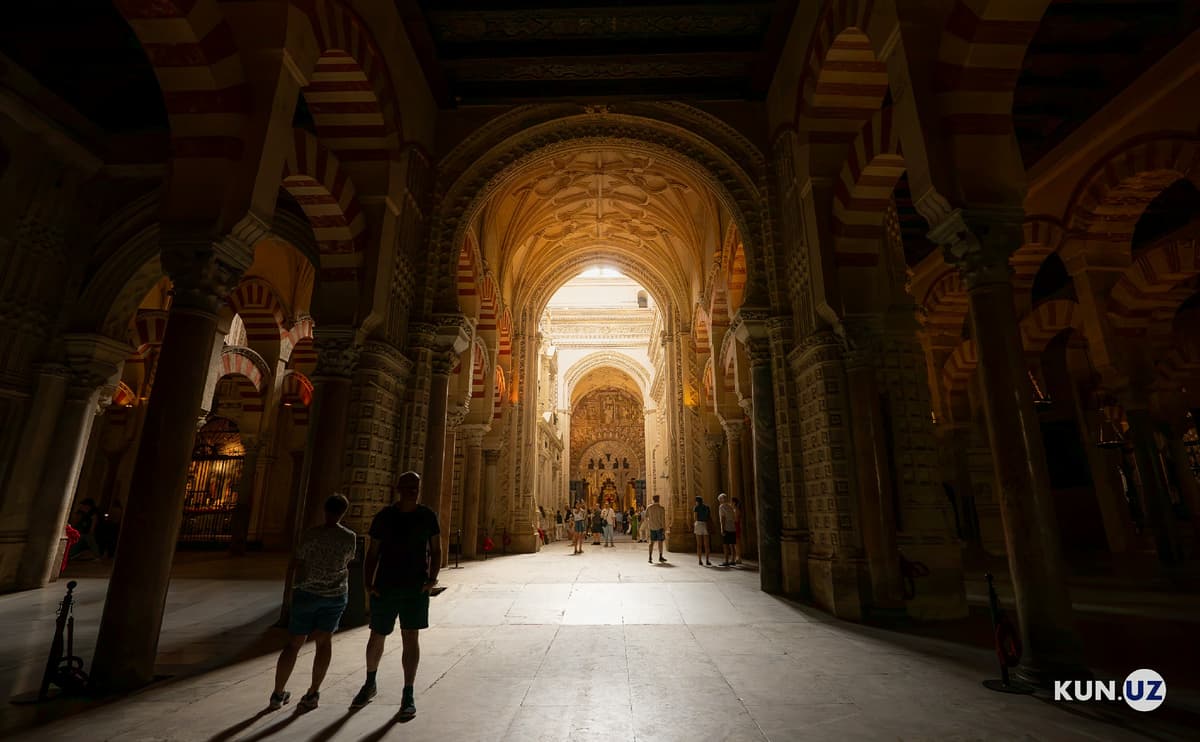
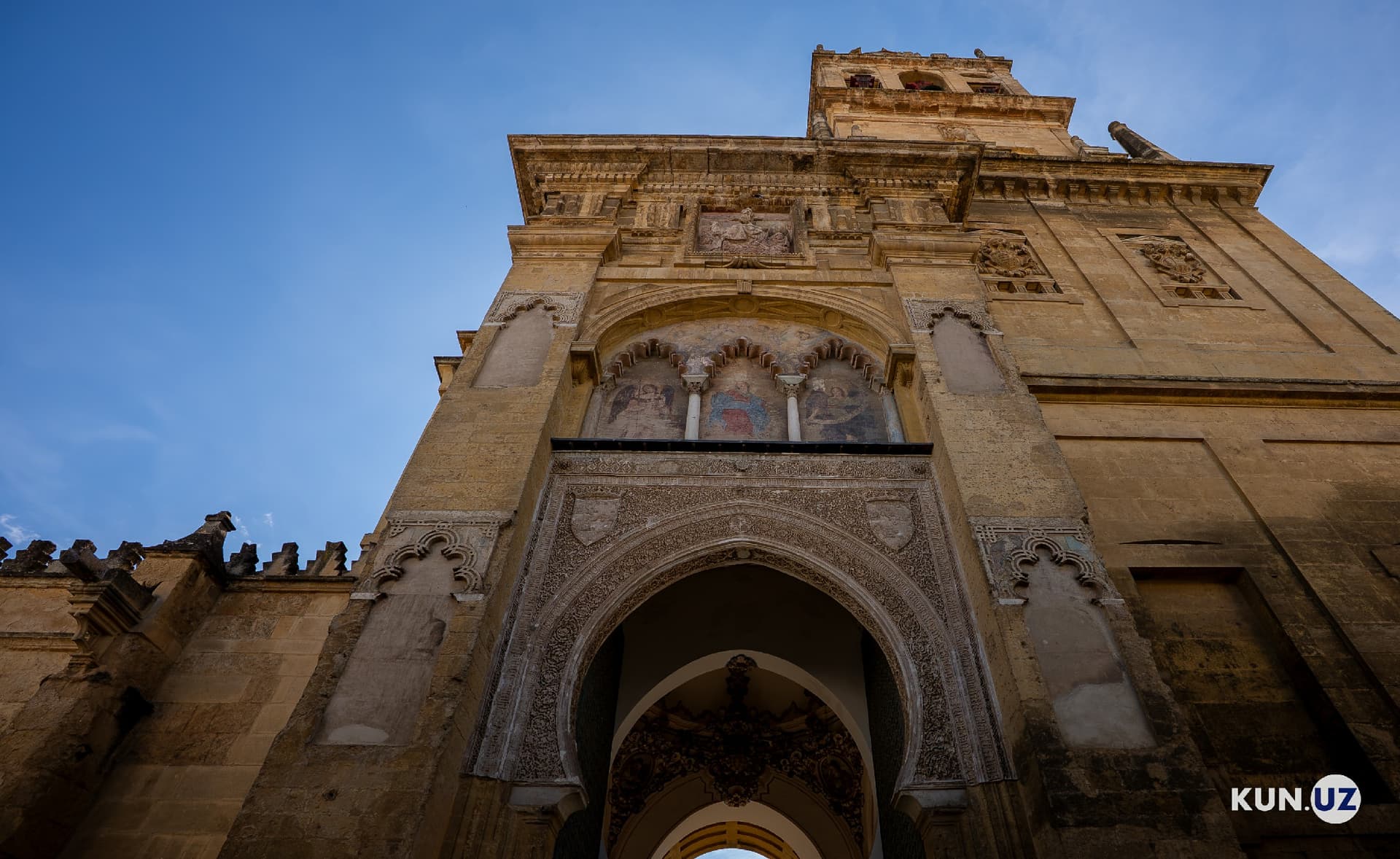
According to the publication, in the 10th century Córdoba was known as one of the largest and most developed centres of Europe. Construction of the famous mosque of Córdoba began in 784: its columns, arches and ornaments, the outlet notes, reflect the distinctive character of Andalusian architecture. According to Kun.uz, an inscription with a verse of the Quran is still preserved on the wall of the mosque. Later, Seville became an important political and cultural centre, where construction of the Giralda tower began in 1184.
What to keep in mind
The piece is of an overview and educational nature: it is a brief historical essay with no new events, statements by officials or research. The dates given correspond to the generally accepted chronology of the history of Muslim Spain; however, the publication contains no references to specific sources or scholarly literature, and its scope is limited to a few facts about Córdoba and Seville.