The key facts
- Republicans lost the House of Representatives, the Senate and governorships in states such as Texas and Kansas
- Republicans lost the House, the Senate and governorships in states such as Texas and Kansas
- Three days after the election, Trump appointed Stephen Miller as White House chief of staff, replacing Susie Wiles
- JD Vance blamed the war with Iran; the race for the 2028 nomination has become 'completely open'
A defeat the party compared to an 'extinction event'
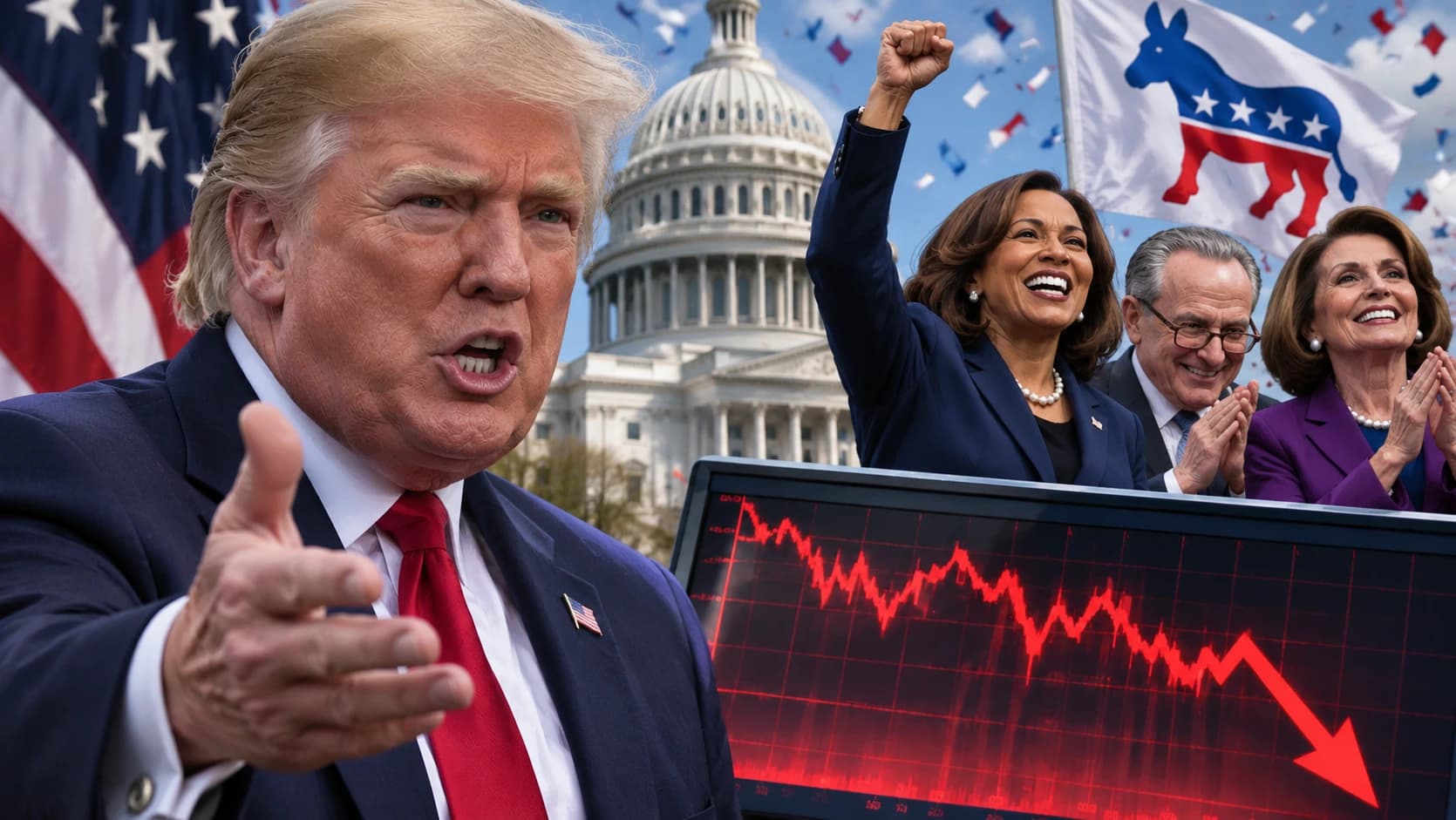
After the 2026 midterm elections, the Republican Party found itself in a state that outgoing Florida Governor Ron DeSantis described as 'almost an extinction-level event for Republicans.' BBC News reports: the coalition that three times carried Donald Trump to presidential nominations has effectively fallen apart in these elections. The party lost control of the House of Representatives and the Senate, as well as governorships and legislatures in traditionally 'red' states — Texas and Kansas — where Democrats had been shut out of power for decades and where Trump won by double-digit margins.
What exactly changed in the electorate
The scale of the shift is visible in voting data cited by BBC, referring to an analysis by the New York Times: Democratic support among Hispanic voters rose by 29 percentage points compared with 2024, and among young voters aged 18–29 by 33 points. Just two years earlier, Trump had, on the contrary, expanded the party's base by increasing support among Hispanics and young voters. Pre-election polls recorded broad disapproval of Trump's policies on the economy, immigration and the war with Iran; Democrats also exploited perceptions of corruption surrounding the president's family and administration.
The debate over the future: double down on Trumpism or return to the old party
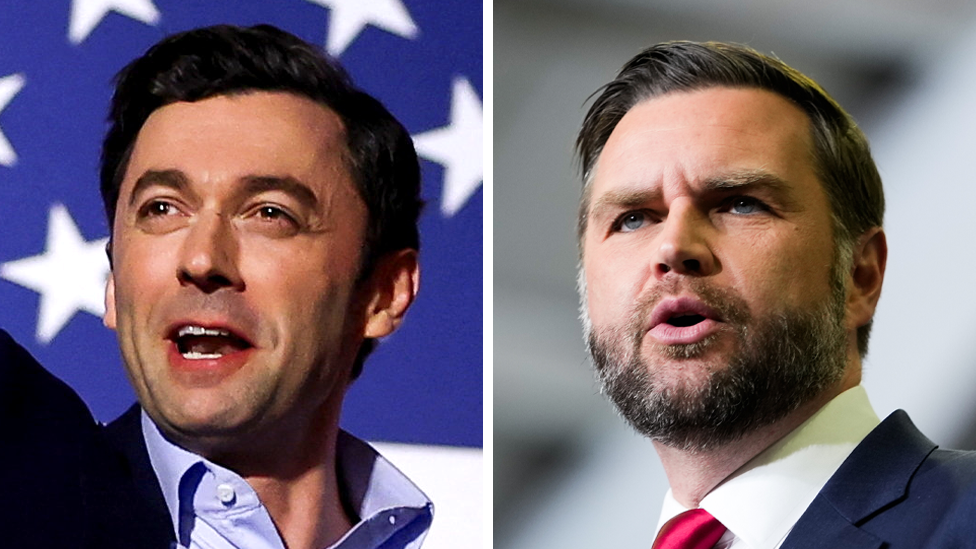
A struggle has begun inside the party, which Vice President JD Vance described in advance with the words: 'There will be a lot of squabbling and arguing about what happened and why.' Vance blamed the defeat on public discontent with the war with Iran and called for a return to 'America First.' MAGA movement architect Steve Bannon predicted a 'civil war' within the party and attributed the defeat to the economy and 'foreign wars,' urging Trump to double down on mass deportations. 'Never Trump' critics demand a return to pre-Trump roots, but, as BBC notes, the party has changed completely over the decade: the moderate establishment wing in Congress has all but vanished, and old-school Republicans like John Cornyn and Susan Collins have lost elections. Strategist Whit Ayres assessed the situation differently: a significant portion of the party is 'non-MAGA,' and now that is the majority.
Trump's signal: the Miller appointment
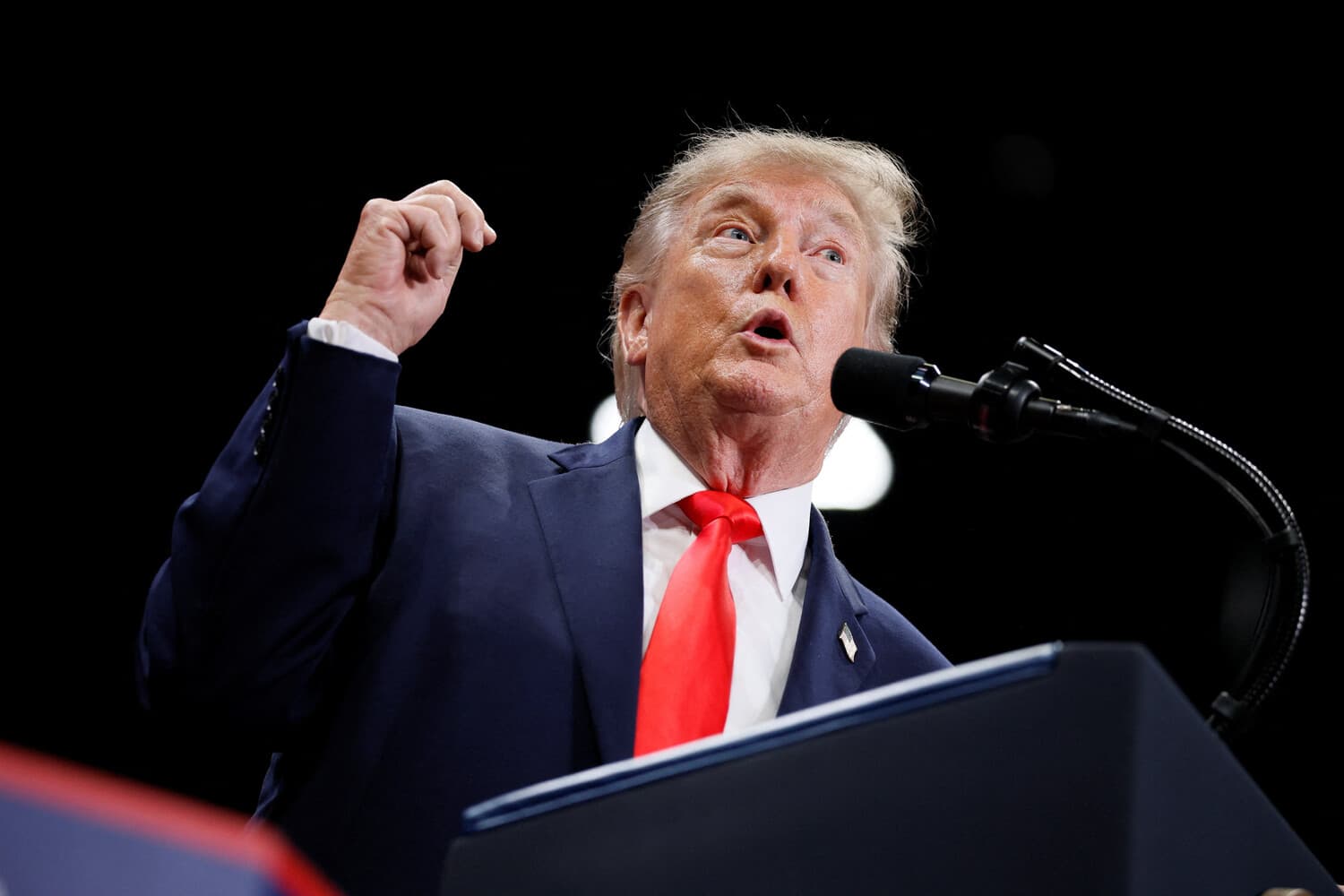
Three days after the election, Trump appointed Stephen Miller as the new White House chief of staff, replacing Susie Wiles. Miller, formerly the president's domestic policy adviser, is known for his hardline immigration policies. In BBC's assessment, the appointment signals that Trump does not intend to soften policy or rhetoric in the remaining years of his term. The appointment also creates internal tension: Miller is a Vance ally, but he led the second term's immigration agenda, which Vance himself, after the election, flagged as subject to possible change.
The 2028 race opens up
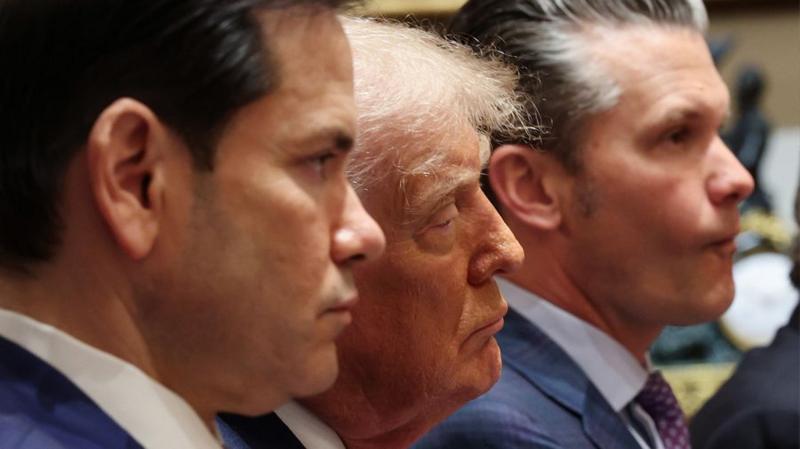
Before the election, Vance was considered the favorite for the 2028 Republican nomination, but according to Ayres, 'after these midterms, the race for the nomination is completely open.' Possible candidates mentioned include Secretary of State Marco Rubio, Senator Ted Cruz, DeSantis, Nikki Haley and Chris Christie. Potential contenders will have to announce campaigns in the coming months — some may launch before the end of the year. The biggest 'wild card' in the race will remain a possible Trump endorsement: he has praised both Vance and Rubio, but usually dodges questions about a successor. The White House, BBC notes separately, denied rumors that Hegseth and Rubio would leave their posts after the defeat.
 Image source, Getty Images
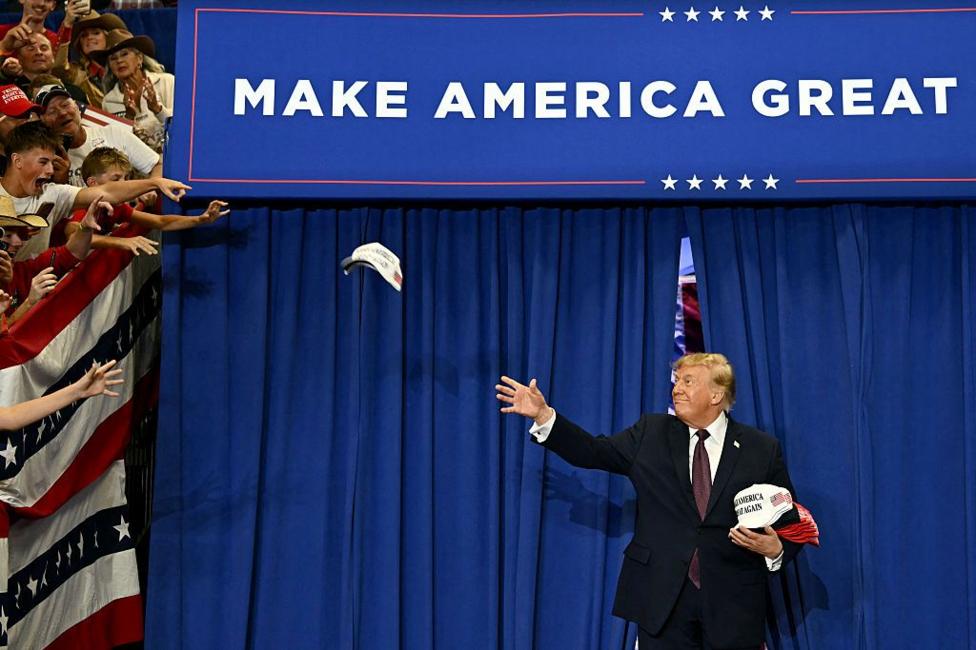 Image source, Getty Images
 Image source, Getty Images
Tuesday night saw Trump's Republicans lose in states they had comfortably held for decades
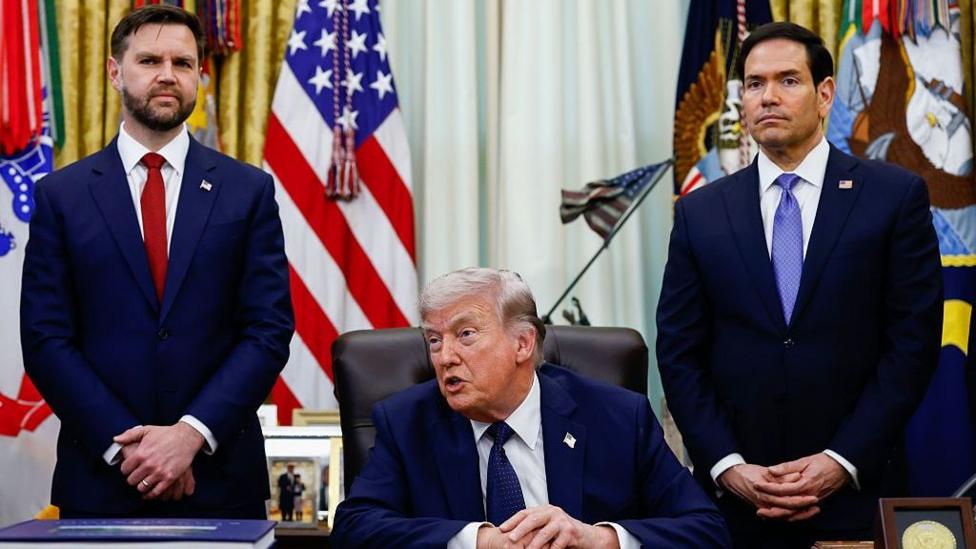 Image source, Getty Images
Both Vice-President JD Vance and Secretary of State Marco Rubio are seen as contenders for the 2028 nomination