The key facts
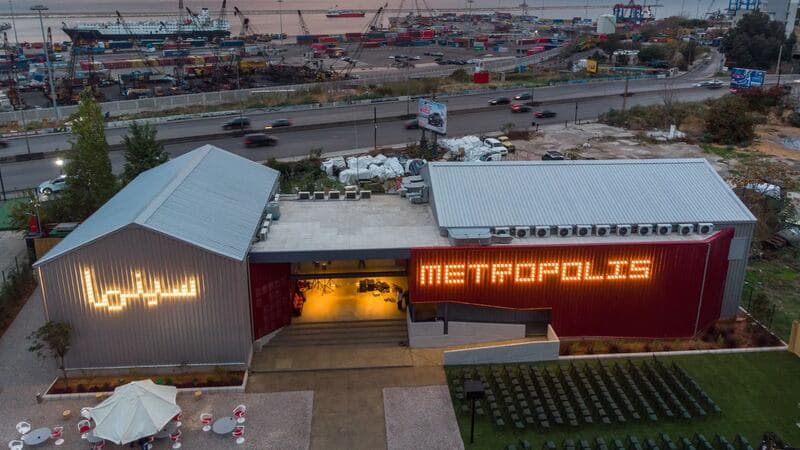
- The Beirut Shorts festival ran from November 2 to 6 at the Metropolis cinema in the Mar Mikhael neighborhood and drew 3,500 viewers
- The Beirut Shorts festival ran from November 2 to 6 at the Metropolis cinema in the Mar Mikhael district and drew 3,500 viewers
- A Few Moments of Happiness by Shaden Tazi was named best Lebanese film, and 67 Milliseconds best international film
- Shaden Tazi's A Few Moments of Happiness was named best Lebanese film, and 67 Milliseconds best international film
- The audience award went to No Dead Ends by Christina Assi and Rani Nasser — a film about the journalist's recovery after the 2023 strike
A full house after the war
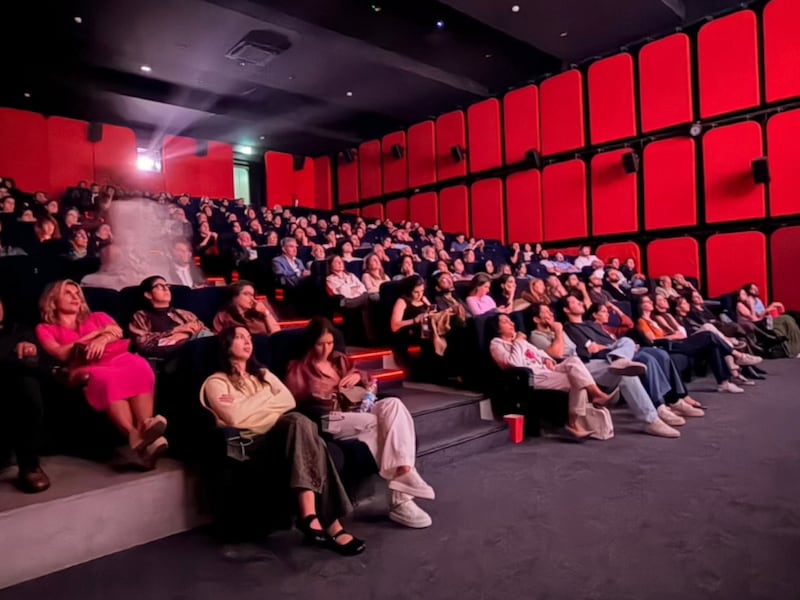
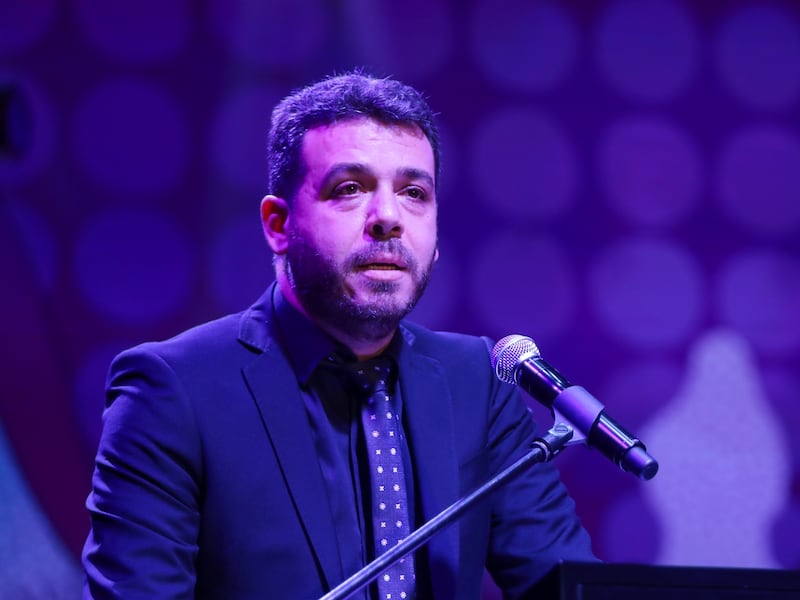
The 20th Beirut Shorts International Short Film Festival was held in Beirut from November 2 to 6 at the landmark Metropolis cinema in the Mar Mikhael neighborhood. According to festival co-founder and director Sam Lahoud, 3,500 people attended the event. The festival took place against a backdrop of widespread fatigue and fears of a renewed outbreak of violence after months of full-scale war between Israel and the Lebanese group Hezbollah, which began in March. According to The National, Israeli strikes killed more than 4,300 people, and Israel occupied part of southern Lebanon; dozens of Israeli soldiers and civilians were also killed in the fighting.
The festival and its winners
The festival was founded in 2007 and is run by the Beirut Film Society; this year it was held under the theme 'The Power of Youth' and places an emphasis on emerging filmmakers. The program covers fiction, documentary, animation, experimental films and new media, and the festival became the first in Lebanon to be 'Oscar-qualifying' — winners in three categories may qualify for consideration for the Academy Award. Juries worked across the festival's seven sections, including the Beirut Sparks student competition, among them the Lebanese actress Wafaa Halawi: 'People are eager to see each other again and take part in live events. I am not surprised by the attendance, but I am very happy about it. There is a real thirst for art and social connection,' she said. The main awards were distributed as follows: A Few Moments of Happiness by Shaden Tazi — best Lebanese short film; 67 Milliseconds by the French filmmakers Galdric Fleury and Antoine Fontaine — best international; The Comet by Julie Charette — best animation. The prize for best documentary went to As I Lay Dying by Mohammadreza Farzad and Pegah Ahangarani, best fiction went to Paper Life by Anne Chu, and Nobody Barks by Julia Caldwell Serra received a special mention.
Film about an injured journalist wins the audience award
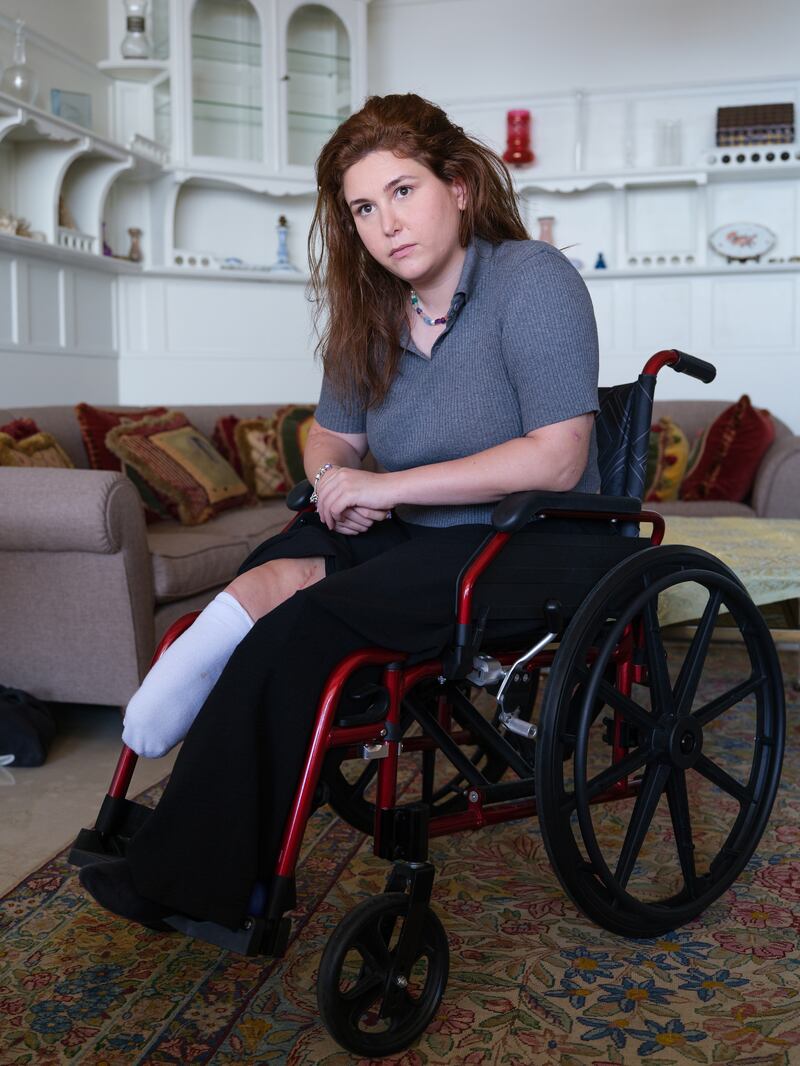
The audience award went to No Dead Ends, co-directed by AFP photojournalist Christina Assi and Rani Nasser. Assi lost her leg in an Israeli strike in southern Lebanon in 2023; according to several investigations cited by The National, the strike hit a group of clearly identifiable journalists with no military target nearby and killed her colleague and friend — Reuters video journalist Issam Abdallah. The film, which tells the story of her recovery and her fight against impunity, was met with prolonged applause at its international premiere in Beirut. 'Honestly, I did not expect such an overwhelmingly positive response and such attendance. I was overjoyed to be able to show this film to everyone I love, here in my home country, where I was hit simply for doing my job. It healed something in me,' Assi said in a comment to The National.
Winners reflecting the country's upheavals
The Lebanese winning films of this year, as The National notes, reflected the country's recent upheavals. In A Few Moments of Happiness, Shaden Tazi explores the pain of watching the destruction of her country from afar. Tazi, who won the Orizzonti prize for best short film at the Venice Film Festival in September, called the Lebanese award especially 'symbolic': it was her first return to Lebanon in two and a half years. In the autumn of 2024, when Israeli bombardment intensified, she left Beirut for Paris while working on the film and finished it abroad on a budget of one thousand dollars. She called the packed cinema 'a wonderful sign of the country's vitality': 'In France there is no war, but the cinemas are empty. Cinema is a place of refuge. People want to experience emotions and confront them. Lebanese people strongly support their artists. They protect them and give them visibility,' the outlet quoted her as saying.