The key facts
- Zelensky reported North Korea's KN-23 missiles being used against an energy facility and 36 ballistic missiles launched at Kyiv
- The Pivnichnyi bridge and substations in six regions were damaged, including the link between the Rivne and Khmelnytskyi nuclear power plants and Kyiv
- The strikes come ahead of planned three-way talks in Abu Dhabi
The strike and the use of KN-23
Russian forces struck a 'key' energy facility overnight, reportedly using North Korean KN-23 missiles, Ukrainian President Volodymyr Zelensky said on Saturday. Technical assessments at the impact sites are ongoing. According to him, a total of 36 ballistic missiles were launched at Kyiv and the region, four of which were shot down. This was reported by euronews.
Scale of the damage
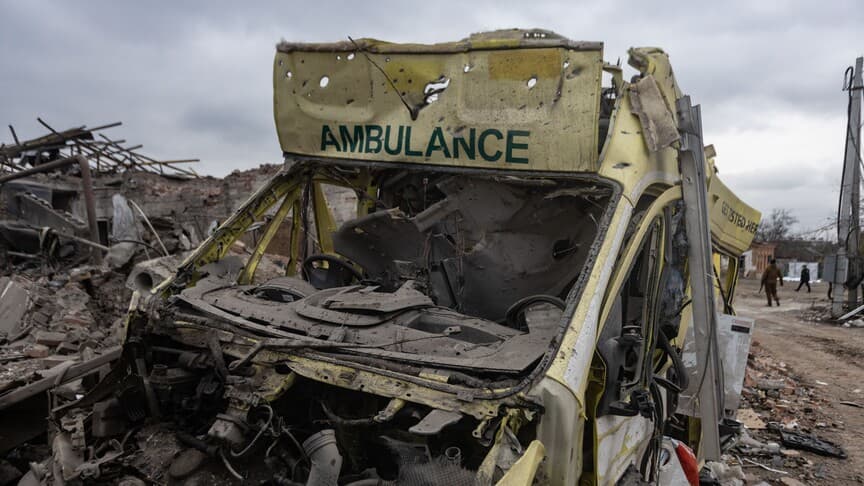
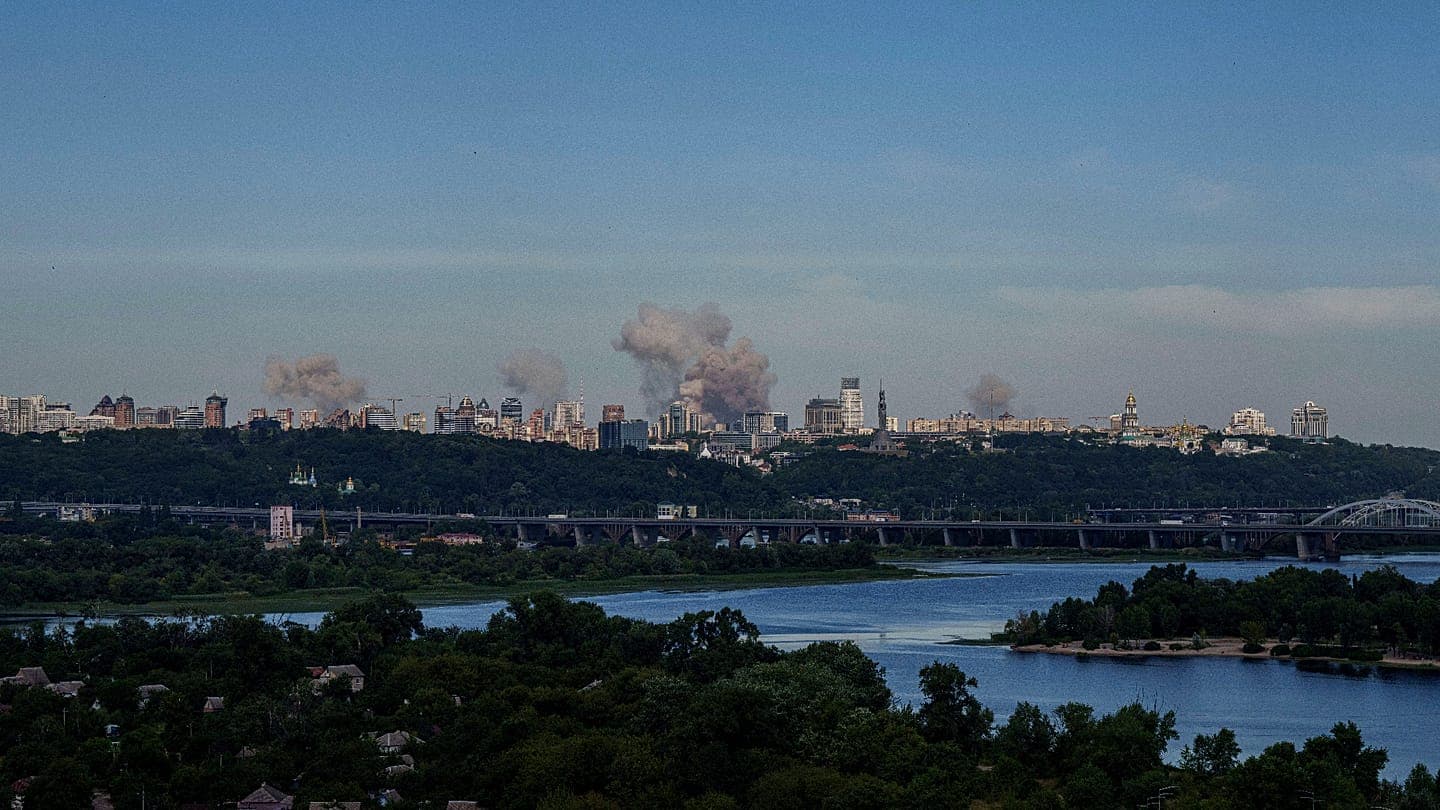
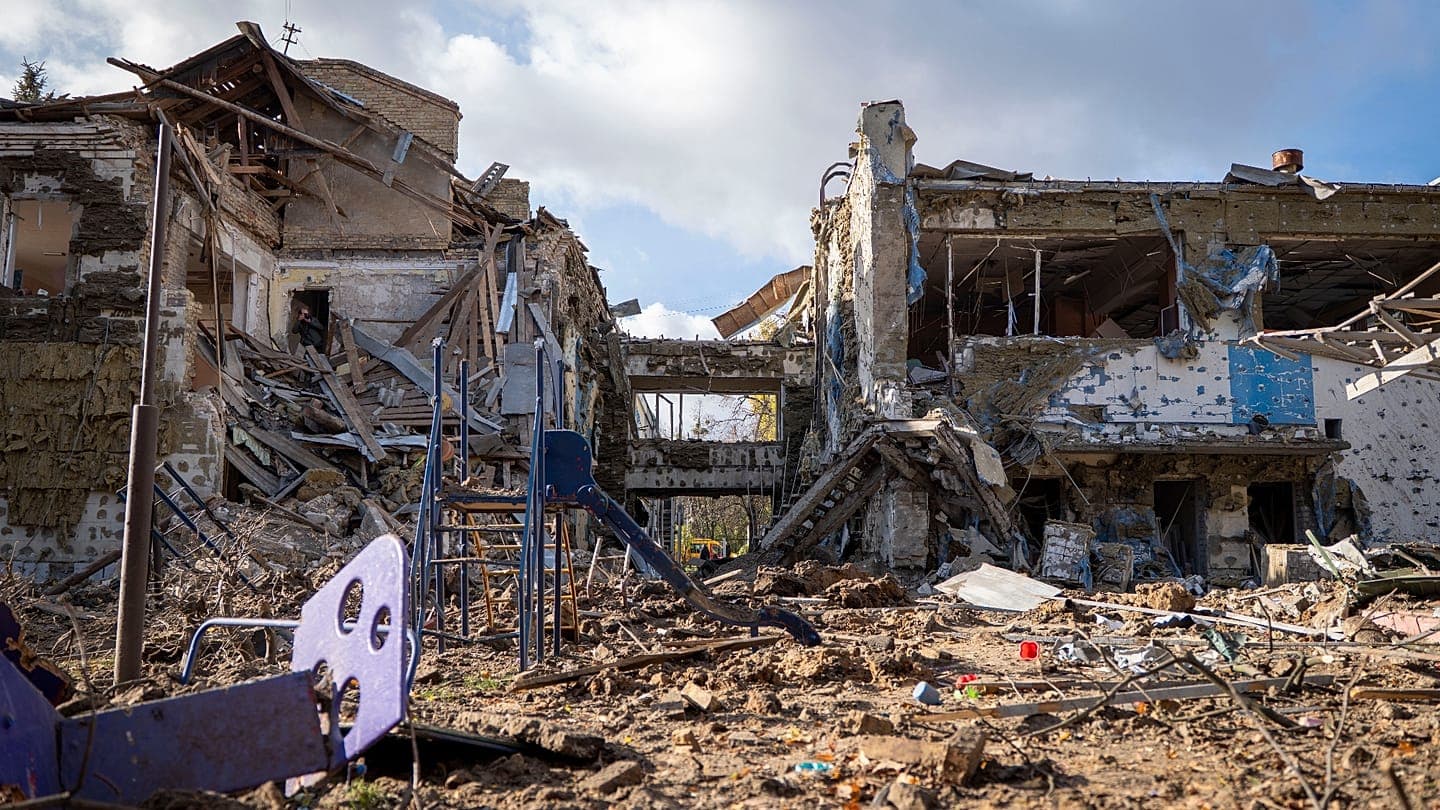
The strikes on Kyiv region left at least six people injured, including a child; a bridge and energy facilities were damaged, local authorities and the State Emergency Service of Ukraine reported. Kyiv Mayor Vitali Klitschko said there was a hit on the Pivnichnyi bridge and damage to energy infrastructure in Kyiv and Zhytomyr regions, noting that the capital's power supply situation is 'extremely difficult' and there are disruptions to heating and water supply. According to Zelensky, the target of the strikes was a substation connecting the Rivne and Khmelnytskyi nuclear power plants with Kyiv, as well as substations in Vinnytsia, Zhytomyr, Rivne, Kharkiv and Dnipropetrovsk regions; a kindergarten was partially destroyed.
Context: KN-23 and the winter campaign
The KN-23 is a North Korean short-range ballistic missile with a maximum range of about 690 km, according to the Missile Threat project of the Center for Strategic and International Studies (CSIS). Its first test is believed to have taken place in May 2019; externally it resembles the Russian Iskander-M. In April this year, Ukraine's Defense Ministry reported that KN-23 missiles had already been used in previous attacks and are 'extremely difficult for air defense systems to intercept.' According to available estimates, since October 2024 North Korea has sent more than 16,000 troops to support Russian forces and also supplies ammunition; in June of that year, Vladimir Putin and Kim Jong Un signed a comprehensive strategic partnership treaty. Ukraine's Foreign Minister Andrii Sybiha said the strikes target 'critical energy infrastructure' and that Moscow 'is deliberately seeking to leave millions of Ukrainians without electricity, heating and water' ahead of winter. Zelensky also linked the strikes to an attempt to pressure Kyiv's negotiating position ahead of the planned three-way talks between Kyiv, Moscow and Washington in Abu Dhabi.