The key facts
- The UAE claims uninterrupted oil exports during the crisis and plans to strengthen infrastructure based on the lessons learned
- The UAE's solar capacity stands at about 8.2 GW with plans to grow to 20 GW and more; the goal is carbon neutrality by 2050
- At ADIPEC, participants discussed the threat of new military strikes in the region amid the US–Iran war
Statement amid the crisis
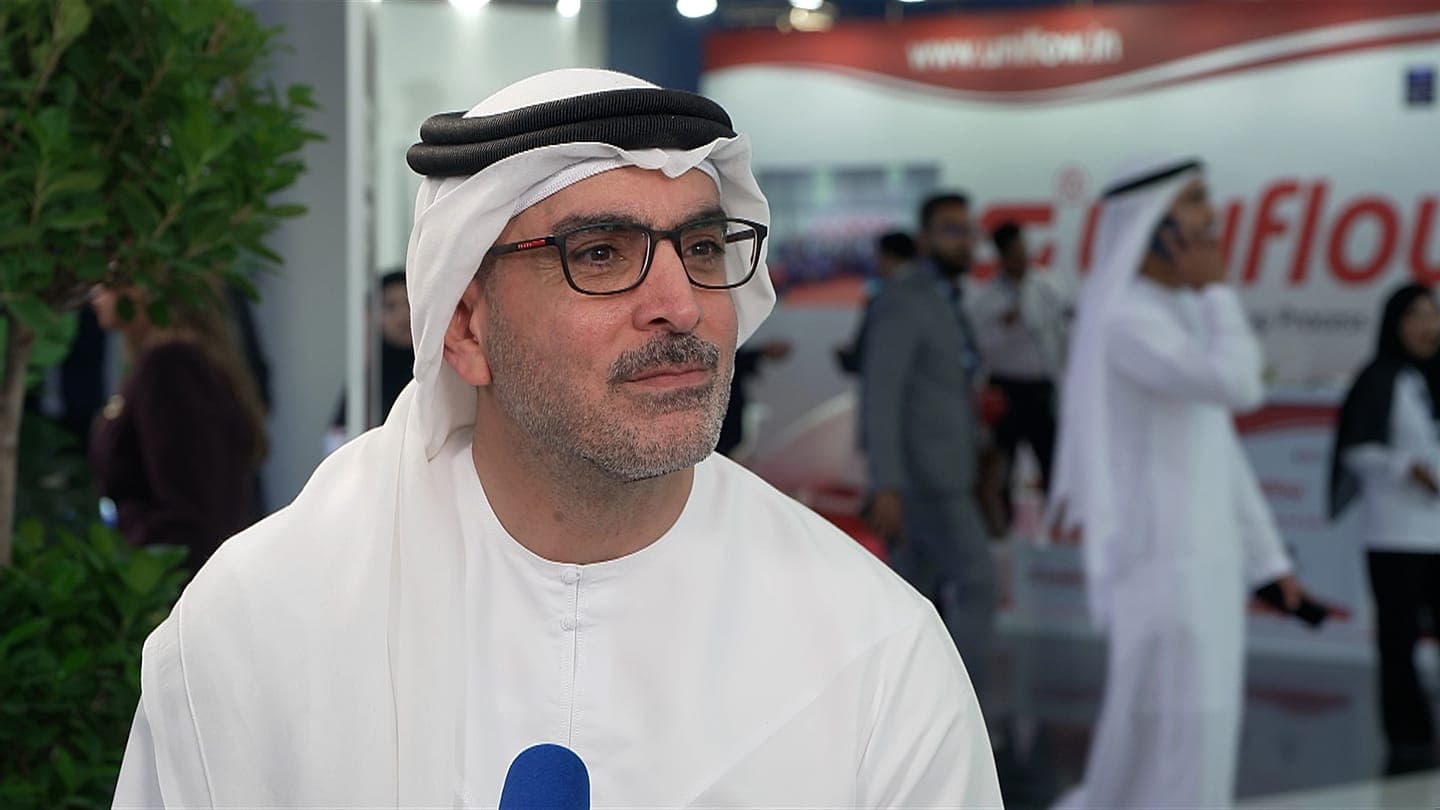
The United Arab Emirates intends to remain a reliable energy supplier for Europe and the whole world despite the regional crisis. This was stated at the ADIPEC conference in Abu Dhabi by Sharif Al Olama, Undersecretary of the Ministry of Energy and Petroleum in an interview with Euronews. According to him, the UAE's oil exports continued throughout the crisis, and the country is using the lessons learned to strengthen its energy infrastructure.
What helped weather the crisis
Al Olama openly acknowledged the pressure on the sector: 'It is no big secret. We are going through a crisis. The first months were very difficult.' He attributed the resilience to a long-standing decision to diversify the energy mix — nuclear power, renewable sources and fossil fuels, as well as hydrogen and other fuels of the future. According to him, this allowed the systems to keep operating and services to remain uninterrupted throughout the crisis. The diversification of export routes also played a role, which, he said, made it possible to continue oil supplies to international buyers; improvements are expected 'over time.' The lessons of the crisis are already being incorporated into the design of facilities, capacity under construction and system redundancy.
Renewable energy and AI
The UAE currently has about 8.2 GW of solar capacity, with plans to grow to 20 GW and more. Al Olama noted that the country receives 'some of the cheapest kilowatt-hours' from renewable energy in the world, and major projects lie ahead in the coming years. Work is moving toward the goal of carbon neutrality by 2050 — the same deadline the European Union has set for itself. A separate topic of the conference was the growth of data centers for artificial intelligence. Al Olama described this growth as 'vertical' rather than merely exponential, and outlined the UAE's approach: first efficiency — according to him, AI tools have reduced energy consumption at some data centers by 40% — then planning for expansion, cooling and the use of existing infrastructure. The UAE is also considering a rating system for the energy efficiency and climate neutrality of data centers and, according to the minister, is exchanging practices with European governments.
Context and limitations
Euronews notes that behind the official statements, conversations among high-ranking ADIPEC participants from around the world focused on the threat of a resumption of military strikes in the region amid the ongoing US–Iran war: many considered them inevitable but hoped for a diplomatic solution. Al Olama's statement is the position of an official UAE representative on the reliability of supplies; the publication does not provide independent verification of the claims about the continuity of exports or the specific effects of diversification.