The key facts
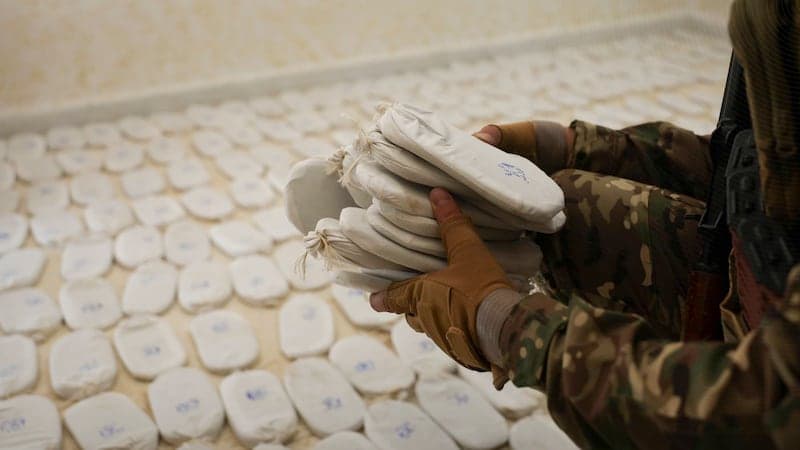
- 280 kg of hashish and 28,000 captagon pills seized in the Sarkaya area (rural Damascus)
- Smugglers opened fire, then fled into Lebanese territory
- Several major detentions have taken place at the Lebanese-Syrian border in recent weeks
Gunfight in the Sarkaya area
Syrian border guard forces reported seizing 280 kilograms of hashish and 28,000 captagon pills after an armed clash with smugglers attempting to move drugs from Lebanon. The operation took place in the Sarkaya area in the rural part of Damascus province; the SANA news agency reported that the smugglers opened fire first, the forces responded, after which the violators fled into Lebanese territory. The seized items were handed over to the competent authorities for legal proceedings.
A series of detentions at the border
This is not an isolated case: according to SANA, last week customs officers at the Jisr al-Qamar border crossing on the border with Lebanon thwarted an attempt to smuggle drugs hidden inside a loudspeaker, and in early October authorities seized more than half a million captagon pills 'from Lebanon' at the Jdeidet Yabous crossing. The National notes that, despite the efforts being made, the Lebanese-Syrian border remains highly porous, and the smuggling of people, goods and drugs continues.
Context: from 'captagon hub' to fighting the trade
Captagon is a highly addictive amphetamine-like substancethat was mass-produced in Syria from the start of the civil war in 2011; its production and trade became an important source of funding for the regime of former president Bashar al-Assad. After his fall in December 2024, the Syrian authorities have been conducting nationwide operations to shut down illegal production facilities and expanding cross-border cooperation with neighbours. According to officials cited by The National, whereas Syria used to be called a 'captagon hub' and a 'source of threat', last month the country declared itself an 'active partner in the fight' against drug trafficking. Relations between the two neighbouring countries nevertheless remain difficult: they are marked by Syria's intervention in Lebanon in 1976 and decades of its control over the country, during which the Assad regime was accused of several political assassinations.