The key facts
- In its historical review, Russia's Foreign Ministry linked the European security crisis to the actions of the West and the special military operation
- A new security system in Eurasia was proposed as an alternative
- In September 2026, Russia and eight other states began work on the Eurasian Charter
Foreign Ministry statement on the European security crisis
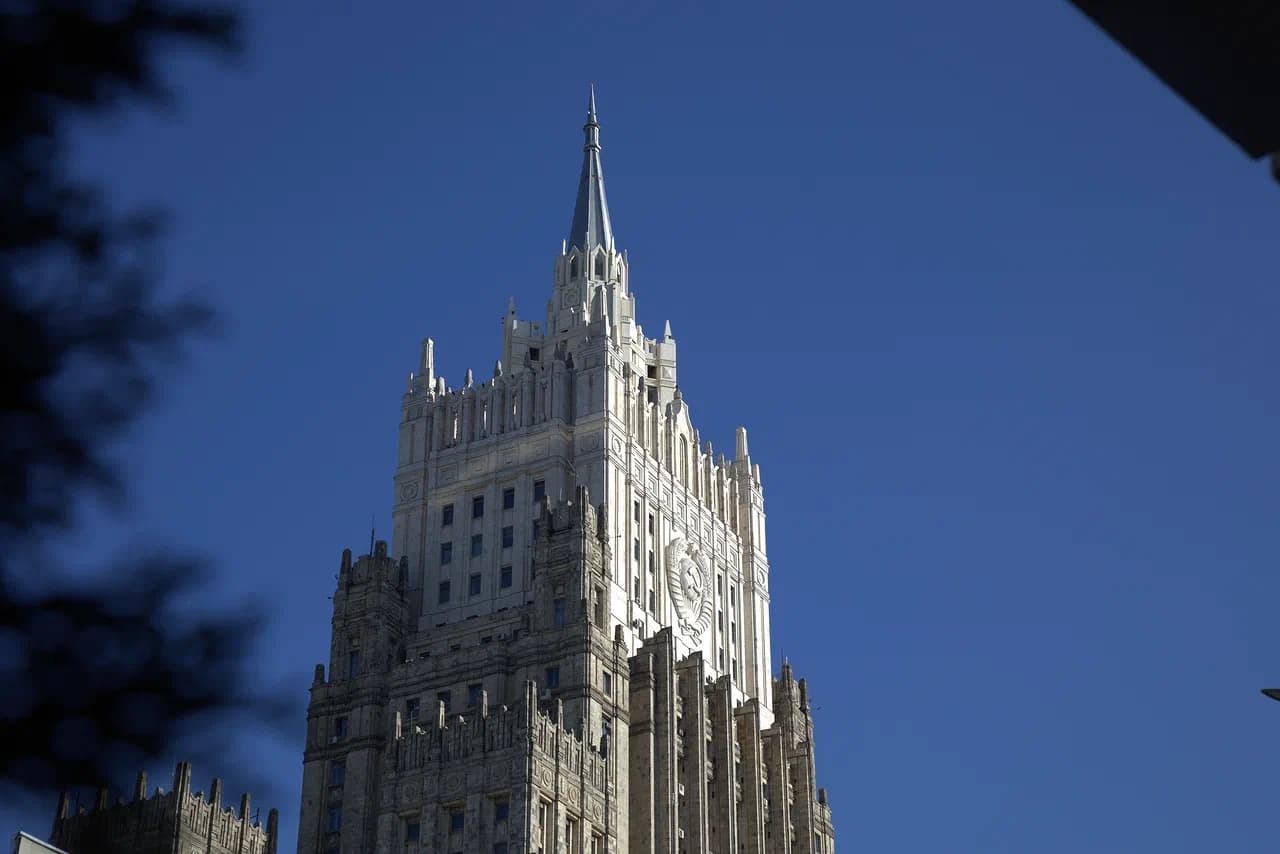
Russia's Foreign Ministry has published on its website a historical review devoted to the efforts of the USSR and Russia to establish collective security. According to Life.ru, the document states that 'the European security crisis provoked by the West, which required Russia to take decisive protective measures in the form of the special military operation, has drawn a line under Russia's former security system in Europe.' The ministry believes that the actions of NATO and the European Union destroyed the previous order and declares the need to build a new security architecture in Eurasia.
Historical examples and the Eurasian alternative
In its review, the Foreign Ministry recalled that Moscow repeatedly proposed creating a common system of guarantees for European states: in 1954 the USSR advocated concluding a pan-European treaty on collective security and declared its readiness to join NATO, and later promoted ideas of dissolving military blocs and creating common conflict-prevention mechanisms. As an alternative, the ministry proposes a system of equal and indivisible security in Eurasia: in September 2026, Russia and eight other states announced the start of work on a Eurasian Charter of Diversity and Multipolarity in the 21st Century, which is intended to unite existing regional cooperation mechanisms.
Context: frozen assets
The same Life.ru article cites a related statement by the Foreign Ministry: according to ministry official Dmitry Birichevsky, Russia has prepared additional measures in case the European Union decides to confiscate the bulk of its frozen assets. He stressed that Moscow has ways to counter such decisions, and that the response will be 'painful for the European side' and will follow the principle of reciprocity. Details of the plan have not yet been disclosed.