The key facts
- Gazprom's supplies to Turkish consumers on 1–5 November were almost four times higher than in the same periods of October and September
- In October, supplies to Turkey rose by 78% compared with September
- Turkish Energy Minister Alparslan Bayraktar said he was ready to look for alternatives to expensive Russian gas
Growth in supplies to Turkey
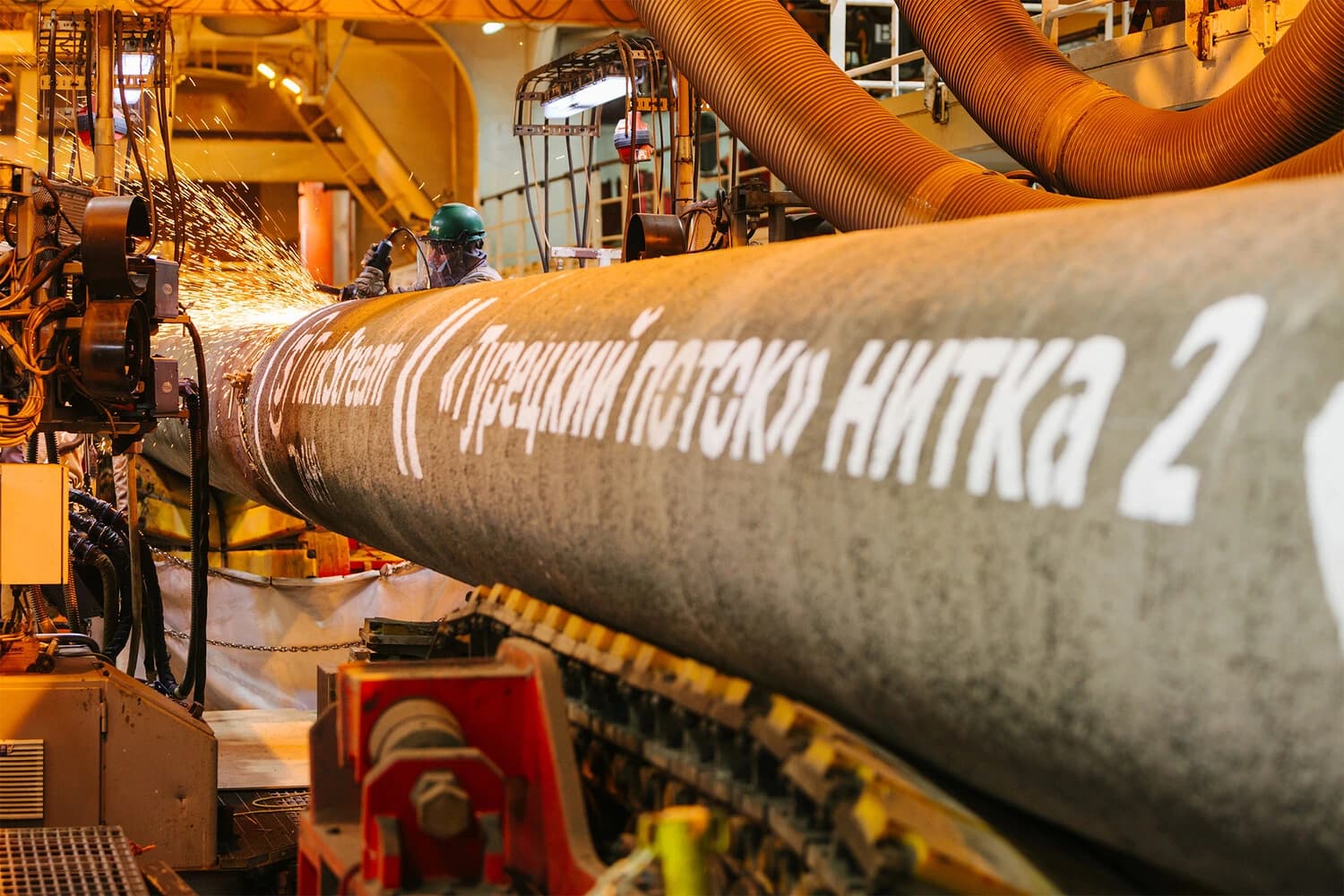
Gazprom reported a noticeable increase in supplies of Russian pipeline gas to Turkey in early November. According to the company, as published on its Telegram channel, in the first five days of November the volume of supplies to Turkish consumers was almost four times higher than the figures for the same periods in October and September. Total supplies to Turkey in October rose by 78% compared with September. This was reported by Gazeta.Ru.
The link with European storage facilities
The company links the growth in supplies to the situation in the European gas system: on 28–29 October, 1–2 and 4 November, Europe saw record-low figures for gas withdrawals from underground storage. Against this backdrop, according to Gazprom, supplies of Russian pipeline gas to Turkey are growing.
Ankara's position
Against the background of rising volumes, the Turkish side gave a restrained assessment of the prospects for such supplies. On 6 November, Turkey's Minister of Energy and Natural Resources Alparslan Bayraktar statedthat the country will continue to reduce its dependence on natural gas from Russia in favour of more competitive options if Russian fuel remains expensive. According to him, the extremely high cost of gas forces the search for alternatives — alternative supply routes, cheaper or more price-competitive gas, or alternative fuels.
Context
Thus, Gazprom's official data on a multiple increase in supplies to Turkey coexist with the Turkish minister's public statement about his intention to reduce dependence on Russian gas if high prices persist. Separately, Germany earlier criticized the European Commission's decision on Russian gas — this discussion is taking place against the backdrop of a restructuring of the European gas market, to which the record-low storage withdrawal figures cited by Gazprom also indirectly point.