The key facts
- A refuge for Macron has been prepared in a Paris suburb in case of a storming of the Élysée Palace
- The measures are linked to the 2018 'Yellow Vests' and the 2022 intrusion into the Hôtel d'Évrée
- Ahead of the 2027 election, services are considering scenarios of riots, sabotage and cyberattacks
The refuge and riot scenarios
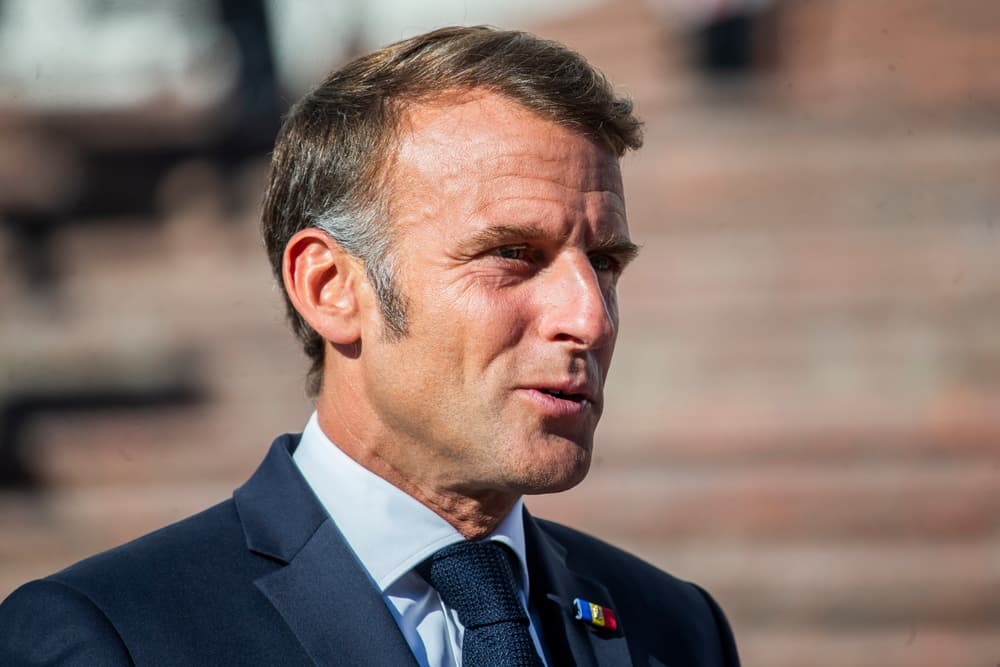
A shelter has been prepared for French President Emmanuel Macron in case unrest escalates into an attempt to storm the Élysée Palace. This is described in the book 'The New Army of Shadows' by journalists Pierre Gastineau, Antoine Izambard and Franck Renaud. Gazeta.Ru, citing The Telegraph, clarifies that the refuge is a secret bunker in a Paris suburb, while Life.ru reports that in such a scenario the president could be evacuated outside the capital.
Where these measures came from
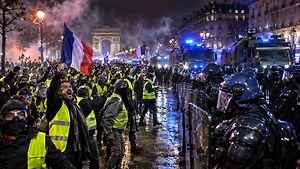
The book's authors link the preparation of the refuge to the Yellow Vest protests of 2018, including Macron's trip to Le Puy-en-Velay, where he faced angry demonstrators. According to Gazeta.Ru, the president's security system was also revised after September 28, 2022, when a 26-year-old man, without violence or forged documents, passed several checkpoints and entered the Hôtel de Marigny — wait, the source says the Hôtel d'Évrée — a residence on the grounds of the Élysée Palace.
Context ahead of the 2027 election
Ahead of the 2027 presidential election, French services, according to the journalists, are considering scenarios of mass riots, sabotage and cyberattacks; in case of an armed insurrection, the option of deploying the military to assist the police and gendarmerie was studied. The book also describes politically charged scenarios: street clashes in the event of a Marine Le Pen victory, and resistance within the police in the event of a Jean-Luc Mélenchon win. The authors also report that the foreign intelligence service modeled an attempt at foreign interference in the vote.
The protest backdrop
On the radio station France Inter, Gastineau and Izambard said that intelligence had received warnings of growing discontent as early as spring, but in their assessment, ahead of the October 17 demonstrations the authorities underestimated the number of participants. The new wave of protests began in September with schoolchildren demanding better learning conditions, and by October had become nationwide. According to France's Interior Ministry, about 550,000 people took part in the actions on October 17. Gazeta.Ru also notes that Macron's approval rating had earlier fallen to record lows.