The key facts
- Meteorological cheilitis is caused by cold wind, temperature fluctuations and dry air from heating
- The dermatologist recommends lip balm, removing leftover water after washing, vegetable oils and nuts in the diet
- If the cause is cavities, tartar or a streptococcal infection, balm won't help — treatment from a dermatologist is needed
Weather and heating dry out the lips
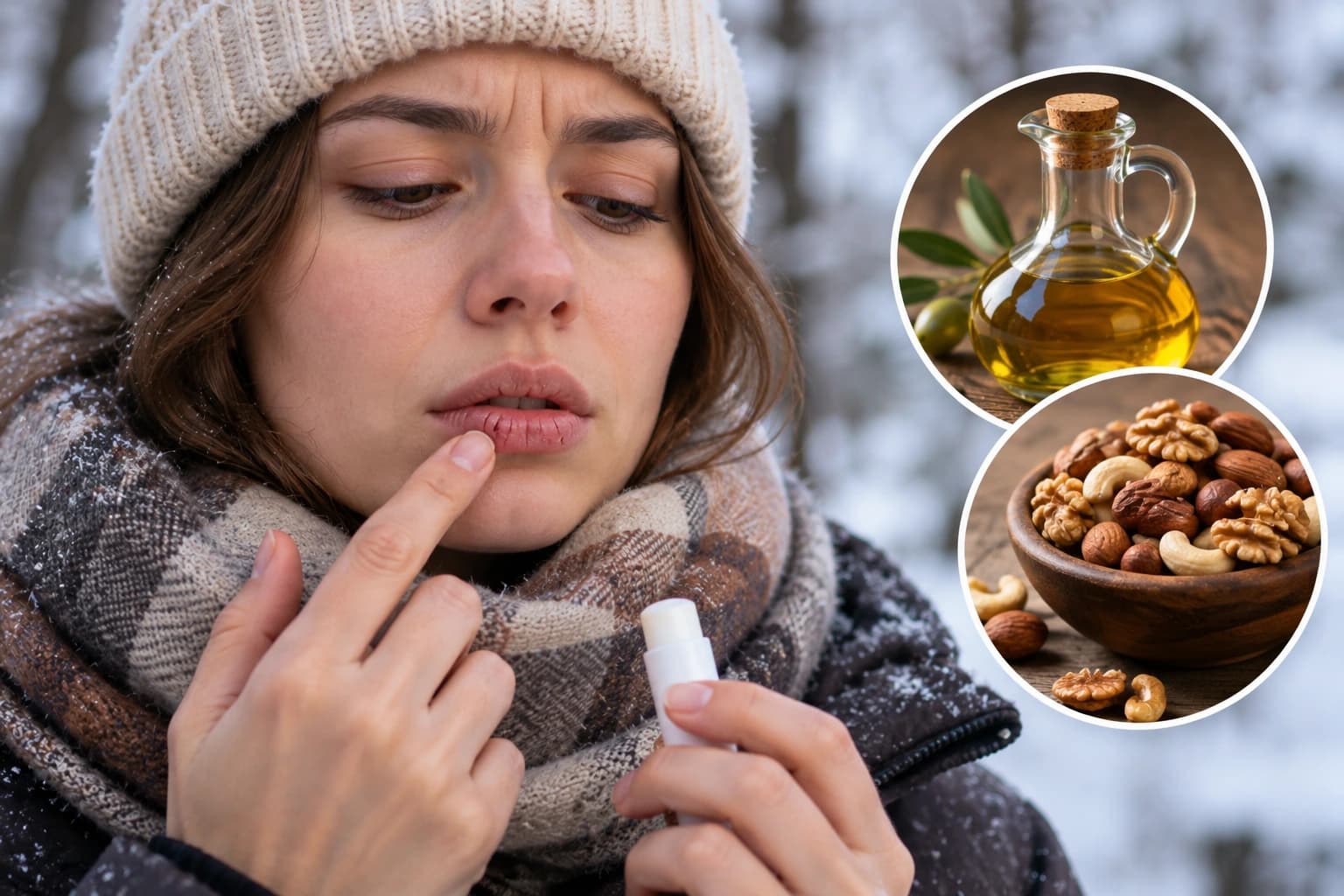
In autumn and winter, many people face meteorological cheilitis — an inflammation of the lips caused by weather conditions. Speaking to Moscow 24, Doctor of Medical Sciences, professor and dermatologist Yulia Gallyamova explained; her advice is cited by Life.ru. According to the specialist, cold wind and temperature fluctuations cause dryness, flaking and painful cracks, while indoor heating further dries out the air and worsens the problem.
What the dermatologist recommends
To protect the lips, Gallyamova recommends regularly using lip balm, especially before going outside, and after washing, removing any remaining water from the skin — as it evaporates, it increases dryness. Diet also plays an important role: a lack of fats in the diet can trigger cheilitis flare-ups, so the doctor advises adding vegetable oils and nuts to the menu, which provide the body with essential nutrients.
When balm won't help
Cracks and inflammation are not always caused by the weather. Gallyamova noted that the problem may be linked to cavities or tartar, which serve as sources of infection, as well as to a streptococcal infection. In such cases, she said, ordinary balm is not enough — one should see a dermatologist, who will determine the cause and select the appropriate treatment.
Additionally: how to choose a winter hat
Earlier, as Life.ru notes, a general practitioner advised choosing a winter hat made of natural fabrics with a lining that wicks moisture well. According to him, the hat should fit snugly on the head but not cause overheating, and on public transport and in warm rooms it is better to take it off to avoid excessive sweating.