The key facts
- Trump signed an order declaring the Oval Office and part of the surrounding rooms a national monument
- The document explicitly preserves the president's right to change the decor, furniture and make operational changes
- A heritage preservation lawyer calls the legal action symbolic, since changes to the furnishings are already at the president's discretion
The Oval Office has been declared a national monument
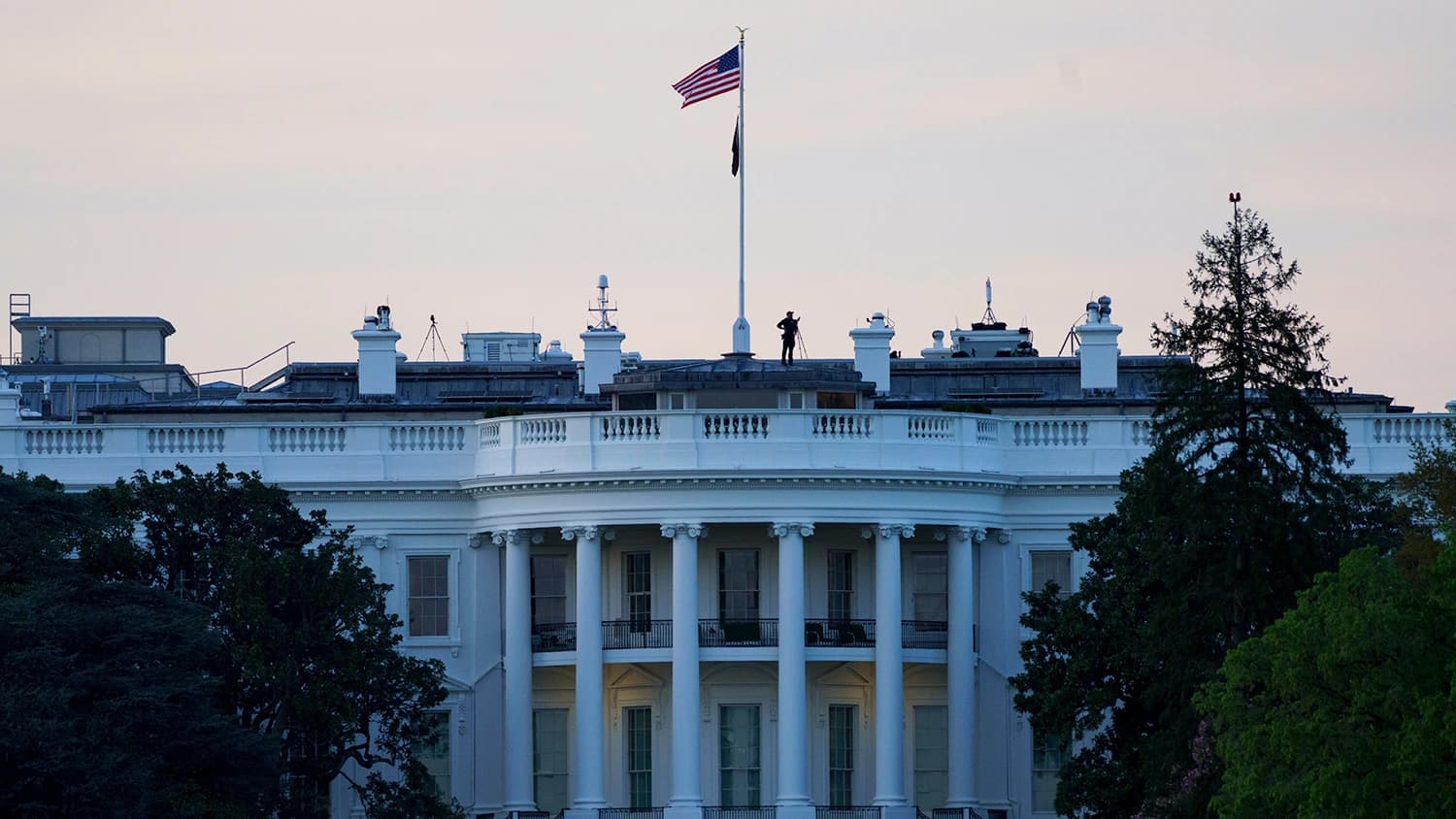
US President Donald Trump has signed an executive order declaring the Oval Office of the White House and part of the surrounding rooms a national monument. According to Trump, the measure is meant to prevent future presidents from changing the office's appearance. «We are making it a national monument, and no one will be allowed to touch it, destroy it, tear it down in order to build something of a slightly different shape,» he told journalists on Thursday, adding that the Oval Office, like the White House itself, is «a symbol of our country and its greatness.» This is reported by BBC News.
What exactly the order changes
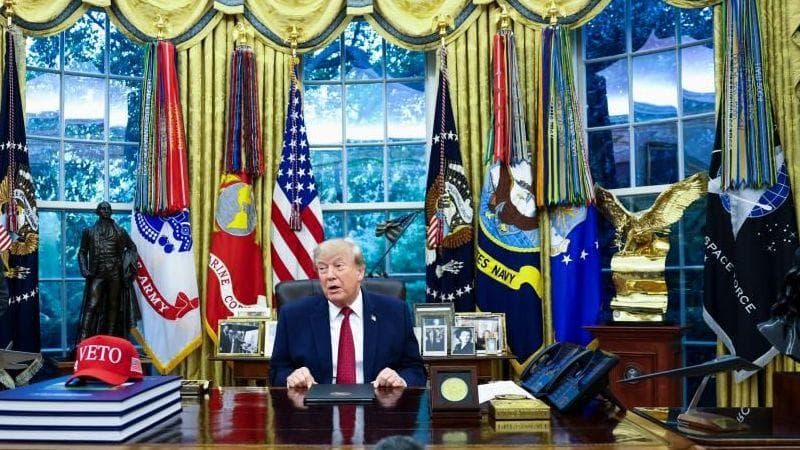
Presidents can currently make certain changes to the White House, but major projects require Congress's approval. The entire building already holds the status of a national historic landmark, and Congress created an exception for presidents from the historic preservation law, allowing necessary changes to be made. The new order directs the National Park Service to maintain the office «in a manner that protects its historic character, architectural integrity and connection to the presidency.» At the same time, the document itself explicitly states that it does not «limit the president's authority to redesign the monument, choose the furnishings or make ordinary operational changes and security-related changes that do not substantially disrupt the monument's historic structure or architectural character.» In other words, the order secures for the sitting president the same freedoms he already enjoyed: during his second term, Trump, a former property developer, has noticeably changed the office, adding, among other things, numerous gold elements to the walls.
Criticism and contradictions
Greg Werkheiser of the law firm Cultural Heritage Partners, which specializes in historic preservation, believes that temporary changes such as «furniture and decor remain entirely at the president's discretion,» and calls the legal effect of the order symbolic. In his view, the Trump administration is at the same time demonstrating «extreme disregard» for other historic sites in Washington and is trying through lawsuits to weaken heritage protection laws: he points to the reconstruction of the Kennedy Center, the plan for a triumphal arch in the city and the painting of the granite facade of the historic Executive Office Building; his firm has filed lawsuits against two of these projects. «The hypocrisy is that on the one hand he talks about the importance of preserving the Oval Office — which is legally meaningless, because he cannot do that — and on the other he is literally taking an axe to the law that allows us to preserve other historic sites,» Werkheiser said in a comment to BBC News.
Context: the golden interior and the elections
The order was signed against the backdrop of a large-scale beautification project in Washington: over the past week Trump held three events dedicated to construction work — this happened even after the Republican Party lost the midterm elections to the Democrats. During the campaign, Democrats criticized Trump's alterations: former president Barack Obama joked that his golden touches made the White House look «as if Saddam Hussein had opened a Cheesecake Factory.» Trump's own change of position is also telling: in October, according to Time, he said in an interview with the magazine that the Oval Office would have had to be demolished due to Secret Service security concerns, but he changed his mind: «I said: 'Hell no, you're not building a new one. This is a special place.'»
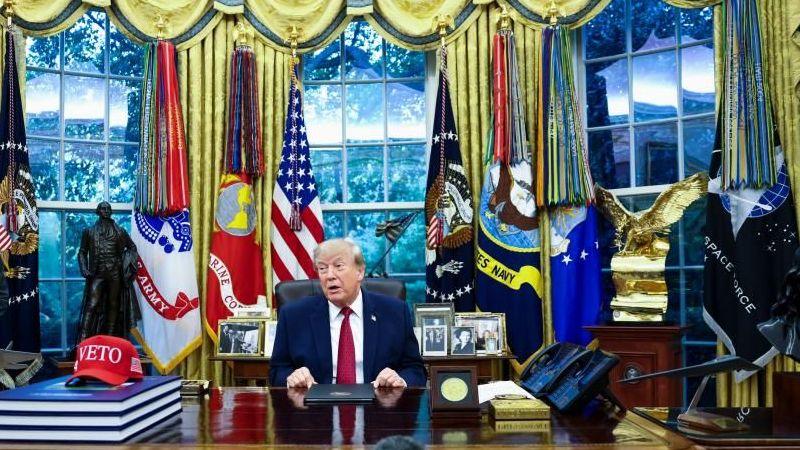 Image source, EPA
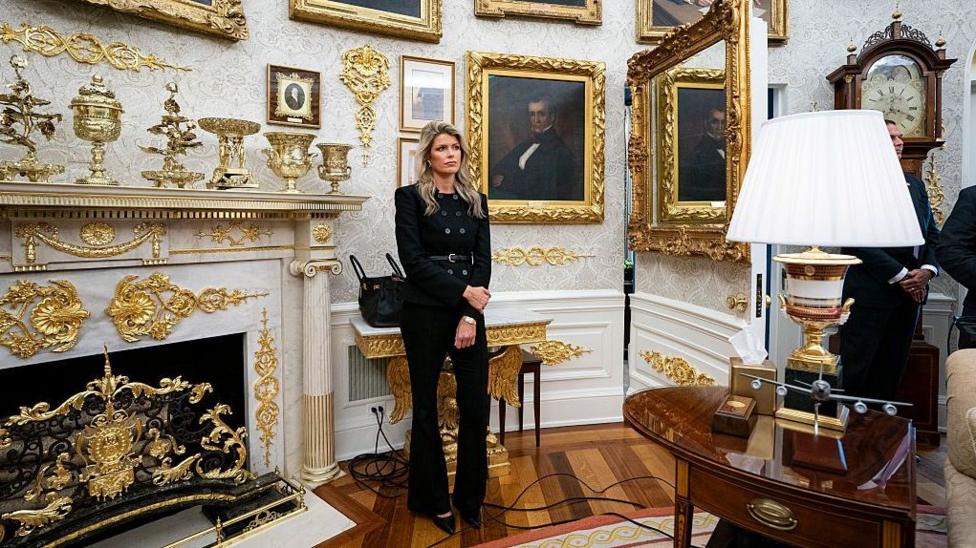 Image source, Getty Images
A Trump administration staff member seen inside the Oval Office in May