The key facts
- From November 2026, Spanish mills must store 12% of declared monthly output until 30 September 2027
- The basis is stocks of 357,040 tonnes and a harvest forecast of 1,602,596 tonnes, exceeding the threshold of 20% above the six-season average
- Producer prices fell from about €4 to €3 per kilogram over the year; meanwhile Dcoop and Acesur agreed to buy Deoleo Holding
Mandatory storage of 12% of output
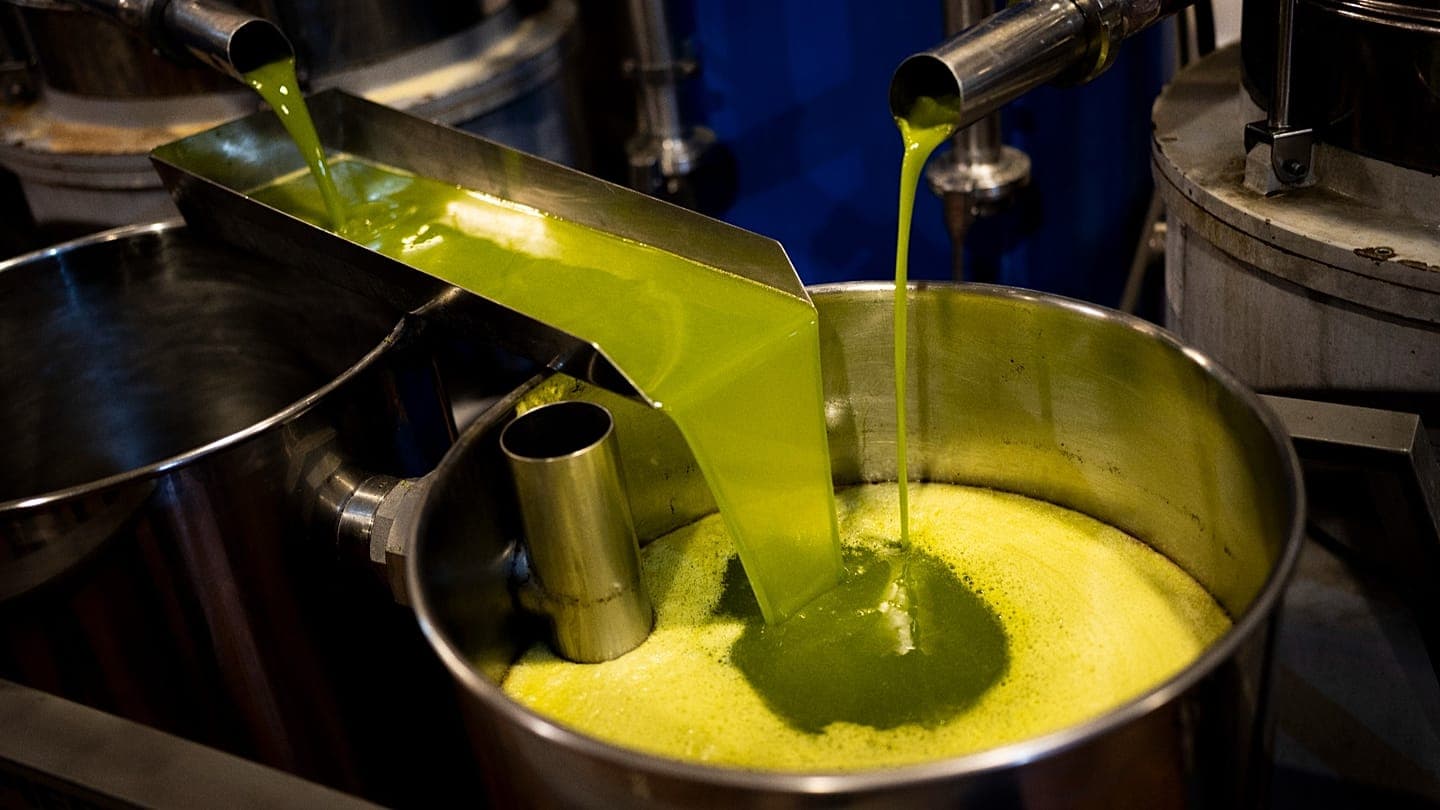
Spain has ordered a temporary withdrawal of part of the olive oil supply from the market: mills must store 12% of the monthly output they declare, starting from November 2026. The measure was published on Friday in the Official State Gazette (BOE); the oil may be stored either in the mills' own facilities or with a third party. The oil must remain off the market until 30 September 2027 — the end of the season. Output declared for October and earlier months is not covered by the measure, the Directorate-General for Agricultural Production and Markets specified.
Why the decision was taken now
The government may resort to such a withdrawal when the sum of opening stocks and the forecast harvest exceeds the average of the previous six seasons by at least 20% — this season the condition is met. According to the resolution, opening stocks stood at 357,040 tonnes and the harvest is forecast at 1,602,596 tonnes; the Ministry of Agriculture expects about 188,000 tonnes to be temporarily removed from the market. The reason is the risk of further downward pressure on prices: in early November producers were receiving about €3 per kilogram of extra virgin oil, compared with roughly €4 a year earlier, euronews reports citing El País. After droughts and heatwaves that hit harvests, prices rose sharply and then began to fall as production recovered.
A major deal amid an oversupply
The decision coincided with a deal uniting three big names in the industry: Spain's Dcoop and Acesur agreed to acquire Deoleo Holding — a subsidiary of the listed group Deoleo, which describes itself as the world's largest producer of branded olive oil and owns the Carbonell and Hojiblanca brands. The deal values Deoleo Holding at €520 million including debt and covers a 91.99% stake, including the entire 50.99% stake owned by Deoleo; if the remaining shareholders join, the buyers could reach 100% and, according to Acesur, plan to split the stakes equally. The deal requires regulatory approvals and a vote by the listed company's shareholders; it was preceded by months of negotiations and a competing bid from Spain's Migasa and Italy's Coricelli. After the announcement, Deoleo shares closed on Thursday down 21.1%.
The scale for the global market
Spain is the world's largest producer and exporter of olive oil: according to estimates by its Ministry of Agriculture, the country accounts for about 45% of global production and 70% of EU production, although these shares vary from harvest to harvest. Thus, the temporary withdrawal of 188,000 tonnes affects not only the domestic market: it changes the overall supply volume for the 2026/27 season, while the deal around Deoleo alters the structure of the industry's biggest players. It remains unclear how the storage will actually be distributed across the months and whether the measure will affect prices by the end of the season.