The key facts
- In 1999, the military court of the Transbaikal Military District found Kolchak's execution justified; in 2000 the Supreme Court upheld the refusal of rehabilitation
- The documents are presented for the first time at an exhibition in Omsk
- After the admiral's arrest, nine interrogations were conducted, but they could not be completed
Courts upheld the legality of the execution
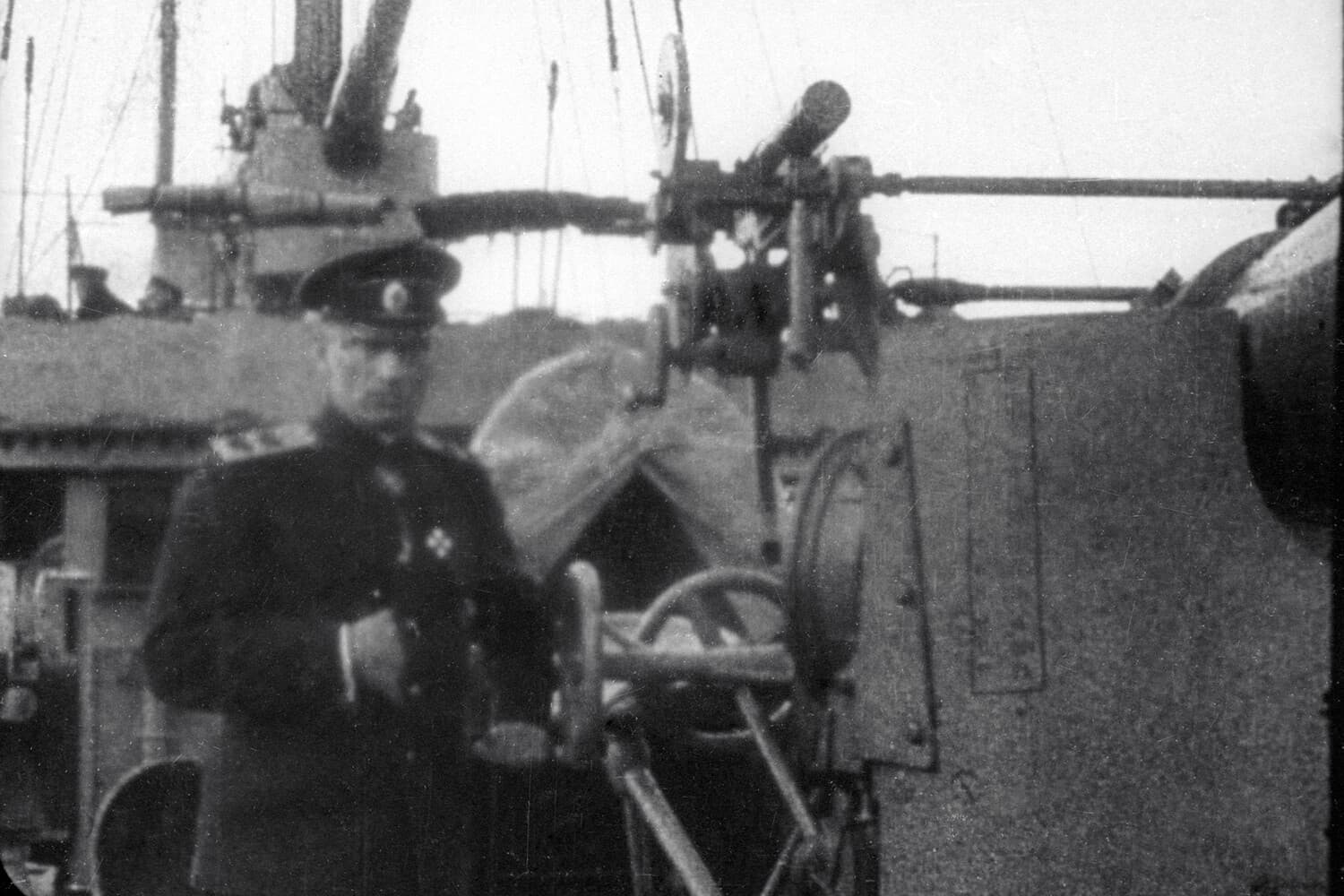
Declassified documents on the refusal to rehabilitate Admiral Alexander Kolchak have been presented for the first time at the exhibition “Kolchak. History in the First Person” of the National Center for Historical Memory under the President of the Russian Federation, as reported by Gazeta.Ru citing TASS and Life.ru, which specifies that the exhibition is being held in Omsk. The materials show that in 1999, the Military Court of the Transbaikal Military District, while considering the rehabilitation question, confirmed that in 1918–1920, on Kolchak's orders and with his knowledge — he held the title of Supreme Ruler of Russia — “military actions were conducted against Soviet Russia, along with mass repressions against the population, Red Army soldiers and troops sympathetic to them.” The execution, despite the admiral's past merits, “concerned precisely this side of his activities” and “was a justified” measure in the circumstances.
The Supreme Court's position
In April 2000, the Military Collegium of the Supreme Court of the Russian Federation (now the Judicial Collegium for Servicemen of the Supreme Court of Russia) determined that Kolchak's merits before Russia prior to 1917 were not in themselves sufficient grounds to overturn the decision refusing rehabilitation. The court cited, among other things, materials from the admiral's interrogations and evidence of the actions of forces under his control: the case involved repressions, the taking of hostages, and reprisals against opponents of the Kolchak administration.
What is known about the case and the execution
Kolchak's criminal case was declassified by the FSB back in 2019, but researchers could not examine it because the admiral was never rehabilitated — access to part of the documents remained restricted. Now the case materials themselves are on display at the exhibition: after his arrest, Soviet authorities managed to conduct nine interrogations, but were unable to complete them due to fears that the advancing White units might free the admiral. Kolchak was shot in Irkutsk in February 1920 by order of the Irkutsk Military Revolutionary Committee, without a court verdict. Thus, the documents presented publicly reveal for the first time the official position of the courts in 1999–2000, which had previously been known only in fragments.