The key facts
- Residents of al-Mughayyir have access to only about 100 of 4,300 hectares of their land, and only on certain days with military permission
- The UN recorded 377 settler attacks since September — the highest since 2006
- The olive harvest is a source of income for 80,000–100,000 Palestinian families
Harvesting under army supervision
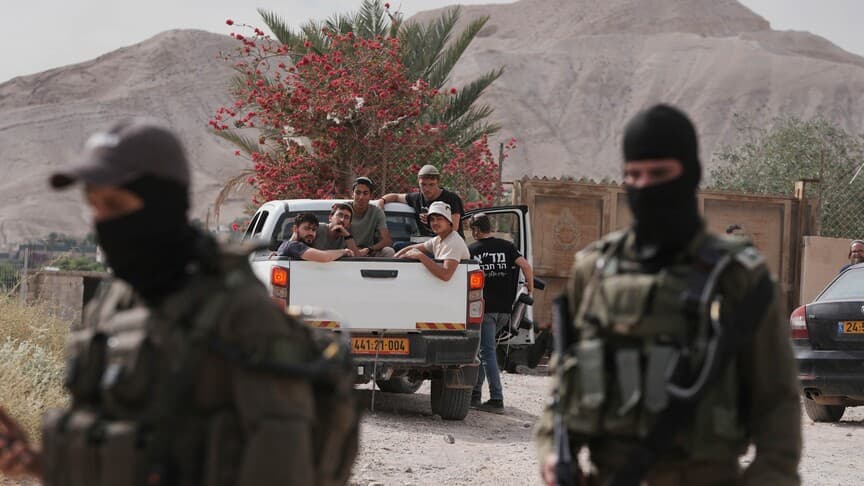
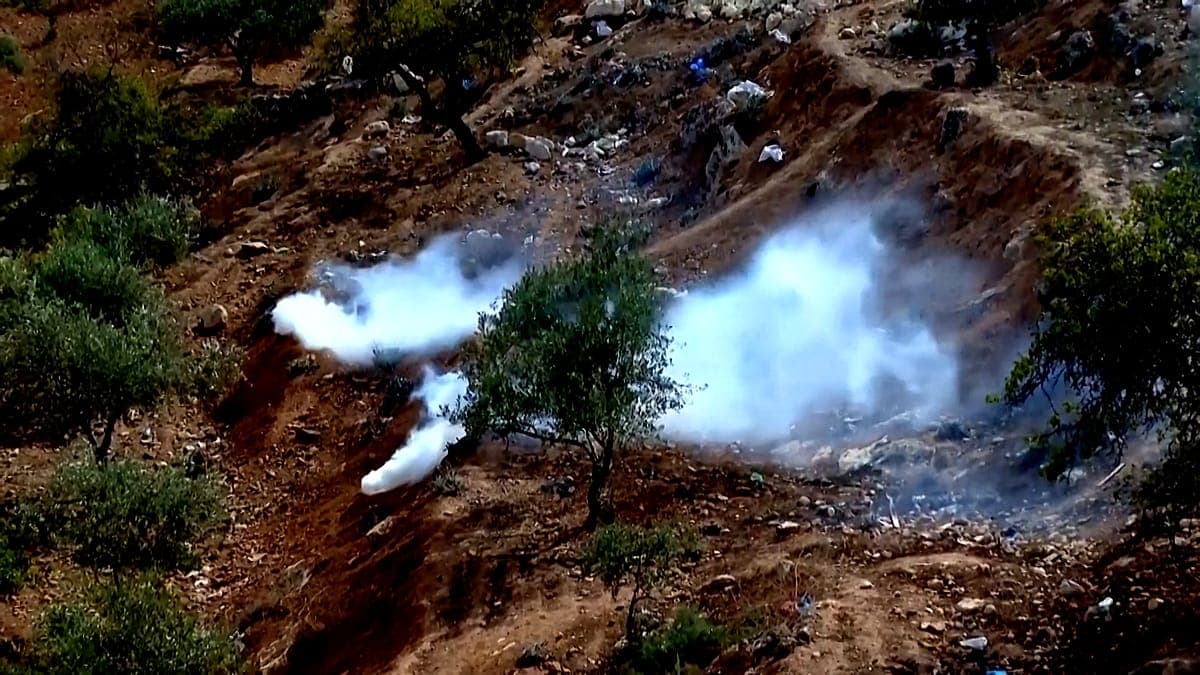
In the village of al-Mughayyir, northeast of Ramallah, Israeli soldiers stood guard near the olive groves as Palestinian families harvested their crop on one of the few days when they are allowed access to their land. According to Euronews, footage captured troops using tear gas near the harvesters, with smoke drifting between the trees.
Access restrictions and the state of the village
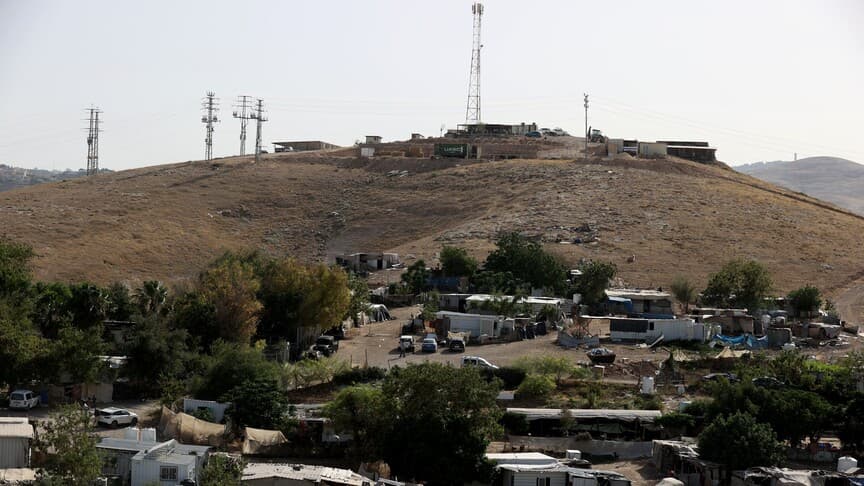
About 3,000 people live in al-Mughayyir, and its land covers roughly 4,300 hectares, yet residents say they can farm barely 100 hectares. The groves can only be reached with prior permission from the Israeli army: access is limited to a few days, age restrictions apply, and machinery is banned. Residents say these brief visits are not enough to care for trees that need year-round attention.
Settler pressure and UN statistics
The village faces mounting pressure from nearby Israeli settler outposts: in 2026 six residents were killed there, the eastern entrance has been closed by the army for more than two years, and in 2025 about 12,000 olive trees were uprooted from the eastern plain. According to the UN, 377 settler attacks resulting in casualties or property damage have been recorded in the West Bank since September — the highest since record-keeping began in 2006. One Palestinian was killed, more than 200 were injured, and 3,850 trees were damaged. The olive harvest remains a vital source of income for 80,000–100,000 Palestinian families; most countries consider the settlements in the occupied West Bank illegal under international law.