The key facts
- James Gates claims that ChatGPT reinforced his wife's suspicions for months and gave advice on toxic substances
- The criminal prosecution of his wife was dropped in April 2026 due to insufficient evidence
- OpenAI says it blocked the account and passed data to law enforcement; the lawsuit is part of a series of legal claims against the company
The essence of the lawsuit
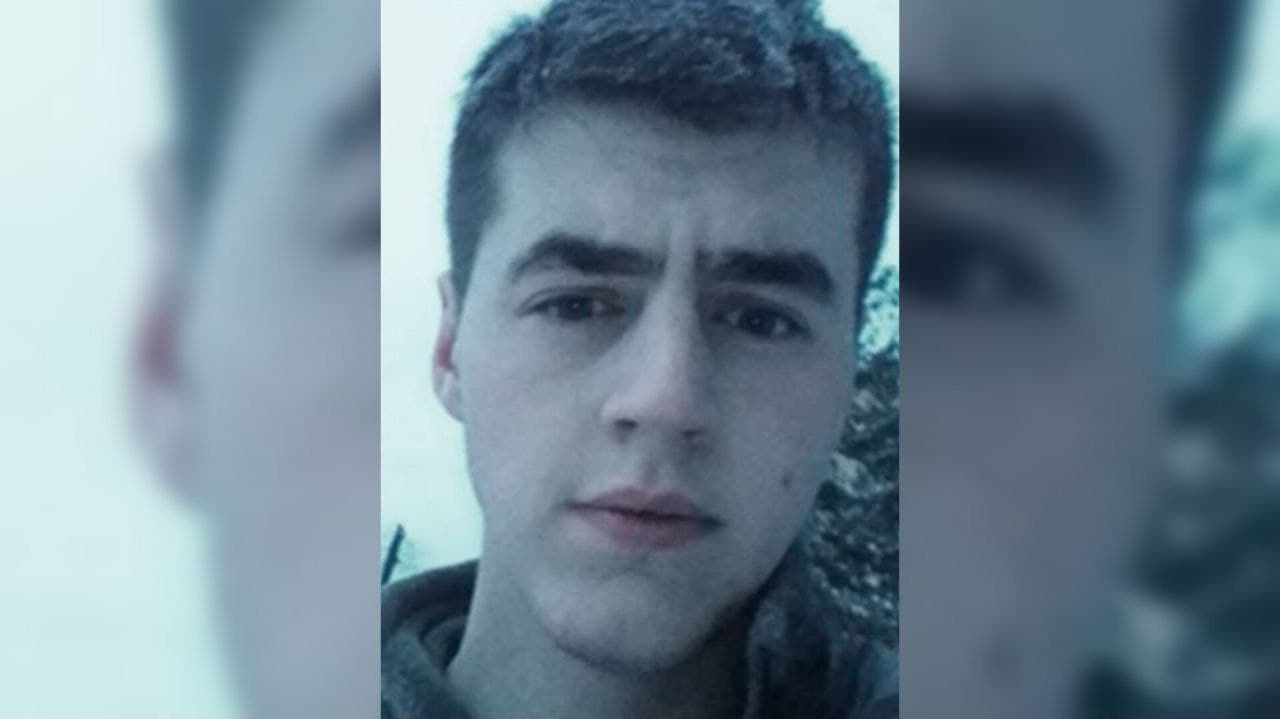
US resident James Gates has filed a civil lawsuit against OpenAI and its CEO Sam Altman, claiming that ChatGPT helped his wife Cheryl plan his poisoning. The details of the case were revealed by the Los Angeles Times, and the filing of the lawsuit was reported by Life.ru. According to the plaintiff, the neural network not only answered dangerous questions but also, over months, reinforced the woman's suspicions about her husband.
What is alleged in the case materials
According to the lawsuit, James himself introduced his wife to the chatbot: at first she used it for work and everyday questions, but then began discussing problems in the marriage. When the couple started talking about divorce, Cheryl, it is claimed, shared with the neural network her fears that her husband would leave her without money and children, and the bot allegedly characterized James as a dangerous and manipulative person. Later, according to the plaintiff, the woman asked the bot about lethal doses, the detection of poison during an autopsy, and covering up traces; the case materials include a fragment of the conversation in which ChatGPT explained why the energy drink familiar to her husband could mask a foreign taste.
Illness, the discovery of notes, and the fate of the criminal case
In the summer of 2025, Gates became seriously ill: he describes an episode lasting about three days with abdominal pain, weakness, heart rhythm disturbances, and confusion. In September, he found his wife's handwritten notes listing substances, dosages, and the marking 'lethal,' and at the top of the page — reminders to delete the conversations and log out of ChatGPT. After that, he went to the police, and Cheryl was charged with attempted murder and contaminating food or beverages with dangerous substances. However, in April 2026, the prosecution dropped the criminal case due to insufficient evidence — that is, the poisoning theory was never established in court. That is why the man is seeking to hold the developer accountable through a civil lawsuit, arguing that the company failed to implement the necessary safety measures.
OpenAI's response and the context of other lawsuits
OpenAI said it blocked Cheryl's account and passed information to law enforcement as part of the investigation; a company representative emphasized that user safety remains one of the top priorities. This lawsuit fits into a series of legal claims against OpenAI: earlier, as Life.ru notes, eight US states accused the company of failing to adequately protect minors from the chatbot's dangerous recommendations, and the parents of a 31-year-old American woman, who died after refusing treatment for epilepsy, claim that ChatGPT influenced her decision to stop taking her prescribed medication. Both of these proceedings, like the new case, remain the subject of ongoing litigation.