The key facts
- The decree transferring JTI's stakes was signed on November 5; it affected JTI Donskoy Tabak, JTI Yelets, Kres Neva and Petro
- On November 6, Japan's foreign ministry lodged a protest with Russia's ambassador Nikolai Nozdryov
- JTI has operated in Russia since 1999 and holds leading positions on the tobacco market; about 37% of the group's shares belong to the Japanese state
Protest in Tokyo
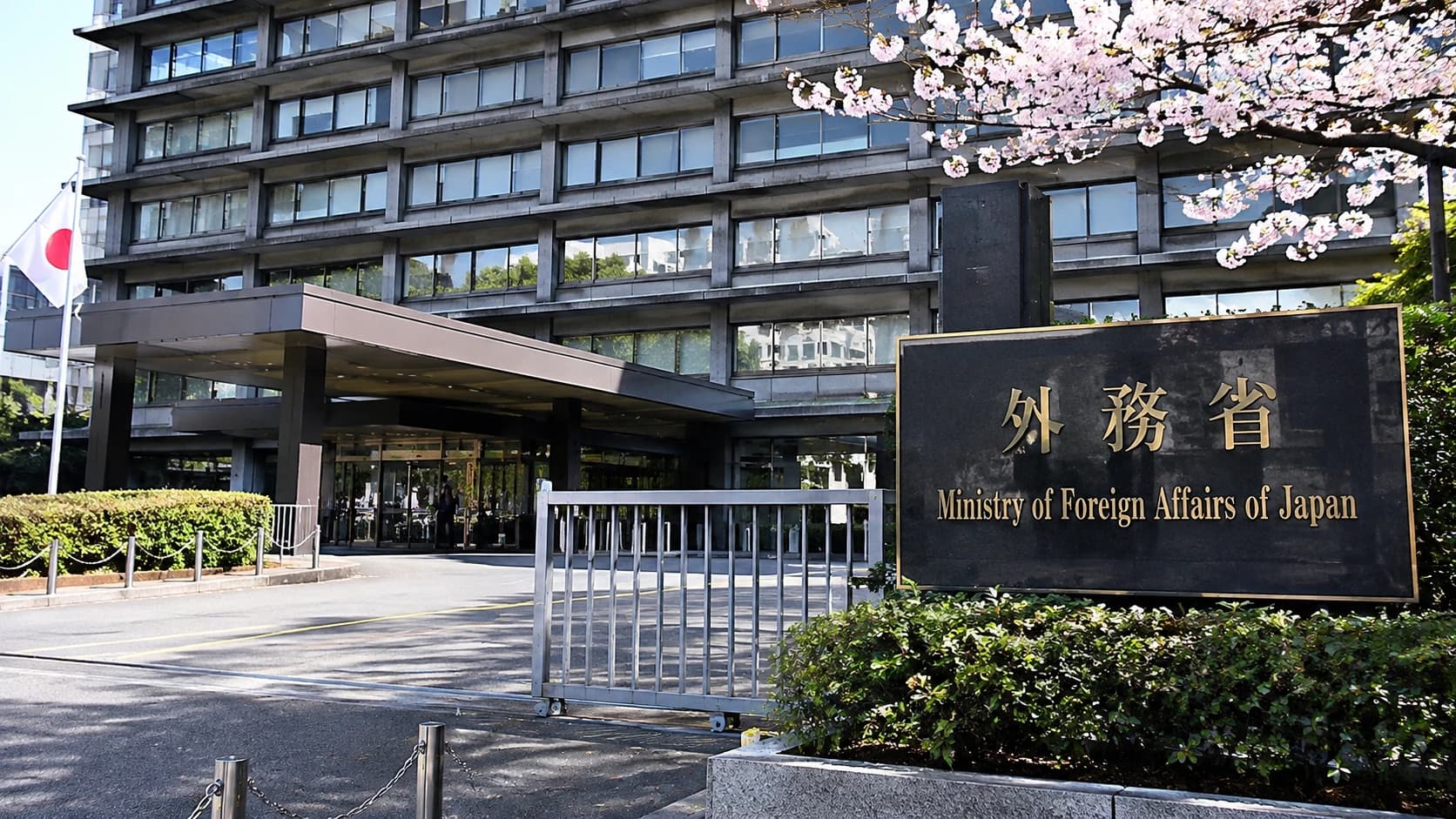
The Japanese Ministry of Foreign Affairs lodged a protest with Russia's ambassador to Tokyo, Nikolai Nozdryov, over the transfer of the Russian assets of tobacco group Japan Tobacco Inc. (JTI) into temporary management and demanded that the decision be reversed, the Kyodo news agency reported. The protest was delivered on November 6 by Masatake Nakamura, head of the European affairs department at Japan's foreign ministry.
What happened to the assets
The diplomatic démarche was prompted by a decree signed by Russian President Vladimir Putin on November 5: the Japanese tobacco maker's stakes in Russian companies were placed under the management of JSC Promyshlennye Aktivy. Stakes in four companies were placed under temporary management — JTI Donskoy Tabak, JTI Yelets, Kres Neva and Petro. These companies produce cigarettes and process tobacco raw materials in the Rostov and Lipetsk regions, St. Petersburg and the Leningrad region.
The company's scale and its response
Japan Tobacco is one of the world's largest tobacco producers; about 37% of the group's shares belong to the Japanese state. The company has operated in Russia since 1999 and holds leading positions on the domestic tobacco market, producing, among other brands, Winston, Camel, Sobranie, Mevius and LD. According to an earlier report by Life.ru, JTI's Russian division is studying the consequences of the transfer of its companies into temporary management and is considering possible further steps; the company's press service stressed that in making decisions it intends to give priority to the interests of its employees and business partners.