The key facts
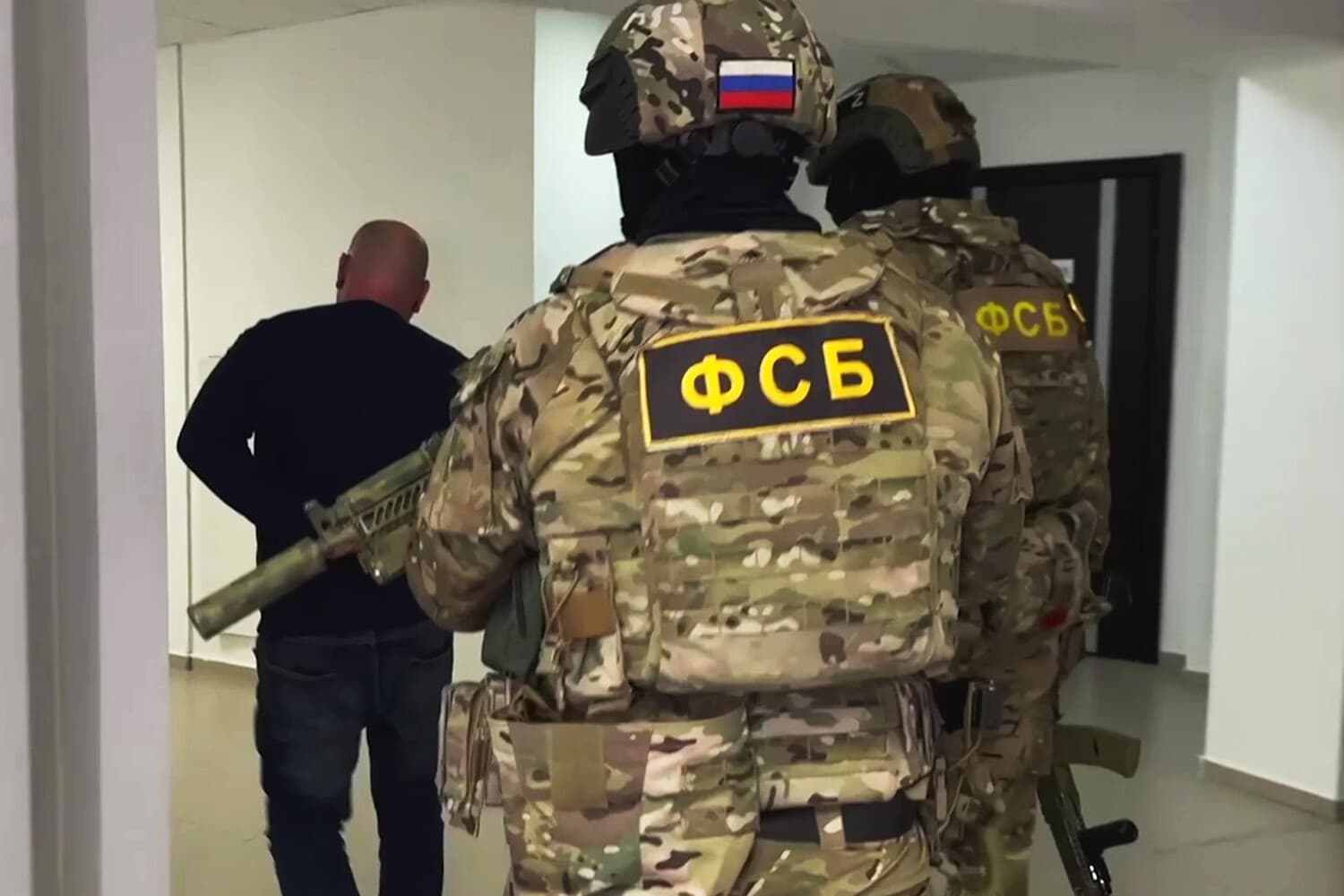
- The FSB detained a Moscow resident suspected of passing data on military facilities to Ukraine
- According to the agency, the man made contact on his own via the internet and received assignments
- The name of the organization, the suspect's age, the charges, and the preventive measure are not specified
What the FSB directorate reported
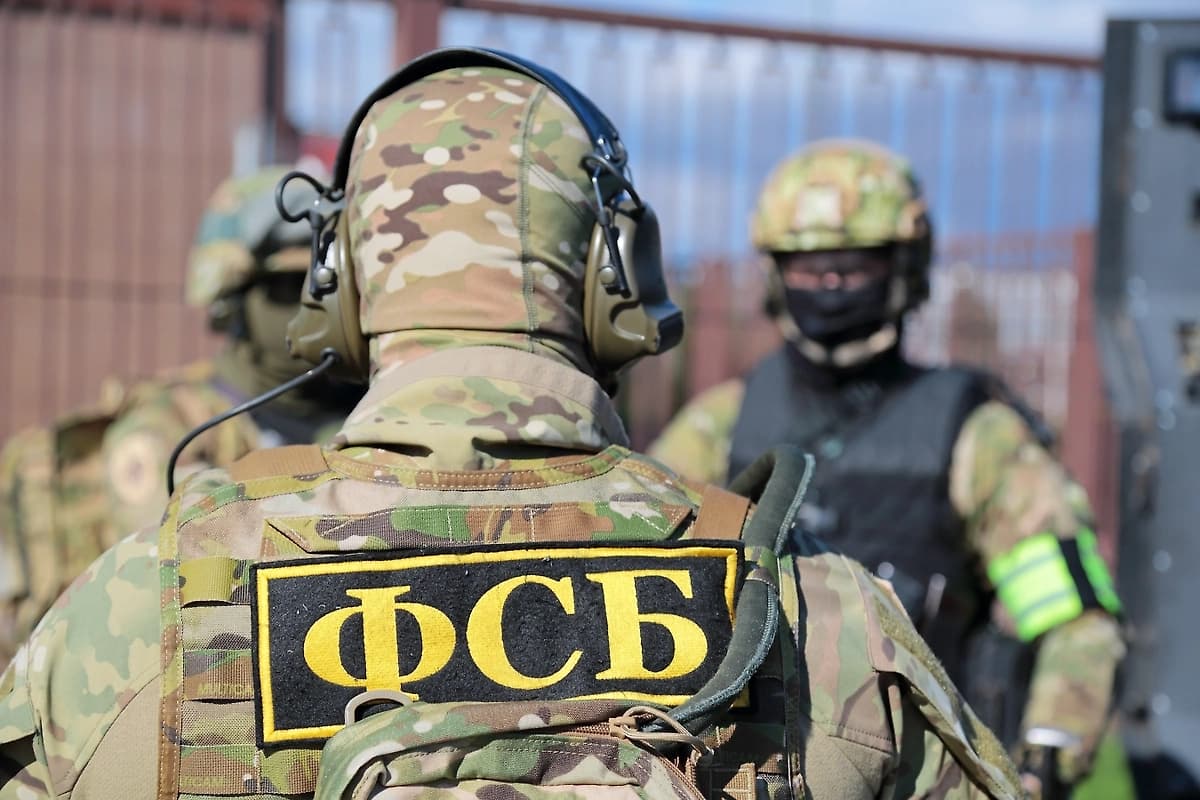
In Moscow, FSB officers detained a local resident suspected of passing intelligence information to representatives of a Ukrainian organization that has been designated as terrorist and banned in Russia. According to the security service, the man was gathering information about the parking locations of military convoys and the locations of Russian Defense Ministry facilities, Life.ru reports.
The investigation's version
According to the FSB directorate for Moscow and Moscow Region, the detainee proactively established contact with a representative of a Ukrainian paramilitary group via the internet, after which he 'voluntarily began to count himself among its members.' According to the agency's version, he received assignments from representatives of the organization and passed the collected information to the Ukrainian side; law enforcement announced that his activities had been stopped.
What remains unknown
The initial report does not specify the name of the organization, the age of the suspect, or the duration of the alleged cooperation. Nor is there yet any information about the charges brought or the preventive measure chosen — this data may appear later, when charges are officially filed.
A similar case in Melitopol
Life.ru also recalls a previously detained 25-year-old resident of Melitopol, suspected of passing information about military facilities to Ukraine. According to the FSB, that man contacted a Ukrainian handler on his own via Telegram and transmitted the coordinates of military police facilities in the Zaporizhzhia and Kherson regions. Both cases are described by the security service in a similar pattern — proactive contact via a messenger and the collection of data on military facilities — however, these are two separate detentions, and no connection between the suspects has been claimed.