The key facts
- Lawyers intend to file a collective complaint against Minister Nuñez with the Court of Justice of the Republic — the only body with jurisdiction over sitting ministers
- According to an AFP count, at least 20 people have suffered serious injuries since mid-September; Le Monde reports three hand amputations and four severe eye injuries
- About 10 clients have already joined the complaint; in total the lawyers represent at least 18 injured people
Complaint against the minister
Lawyers representing participants of demonstrations injured during the wave of protests in France announced on 6 November plans to bring Interior Minister Laurent Nuñez to court over his alleged responsibility for the use of police weapons that caused severe injuries. This was reported by euronews citing a press conference held by the lawyer Aryé Alimi.
The substance of the accusations
The lawyers intend to file a collective complaint with the Court of Justice of the Republic (CJR) — the only French court with jurisdiction over alleged offences committed by sitting ministers in the course of their duties. According to Alimi, Nuñez gave orders to use weapons 'which, as he knows, maim people' and knew that such means could cause irreversible injuries and were unsuitable for maintaining public order. He also noted that in other European countries such weapons are not used to disperse crowds. About 10 clients have already agreed to join the collective complaint, and in total the legal team represents at least 18 people wounded at demonstrations in recent weeks.
The scale of injuries
According to an AFP count cited by euronews, since mid-September at least 20 people, many of them teenagers, have suffered serious injuries from shots fired by grenade launchers with blast-ball type grenades or from stun grenades. Among the most severe cases is a 17-year-old boy injured at a demonstration in Saint-Étienne on 17 October: his hand was severely damaged by a police grenade. His lawyer Yassine Bouzrou is conducting separate proceedings, including a complaint against a specific police officer and against the minister's alleged responsibility. An investigation by Le Monde, published on 5 November, documented cases of amputations and severe eye injuries: according to the newspaper, three people lost a hand and four suffered serious eye injuries.
Context of the protests and police checks
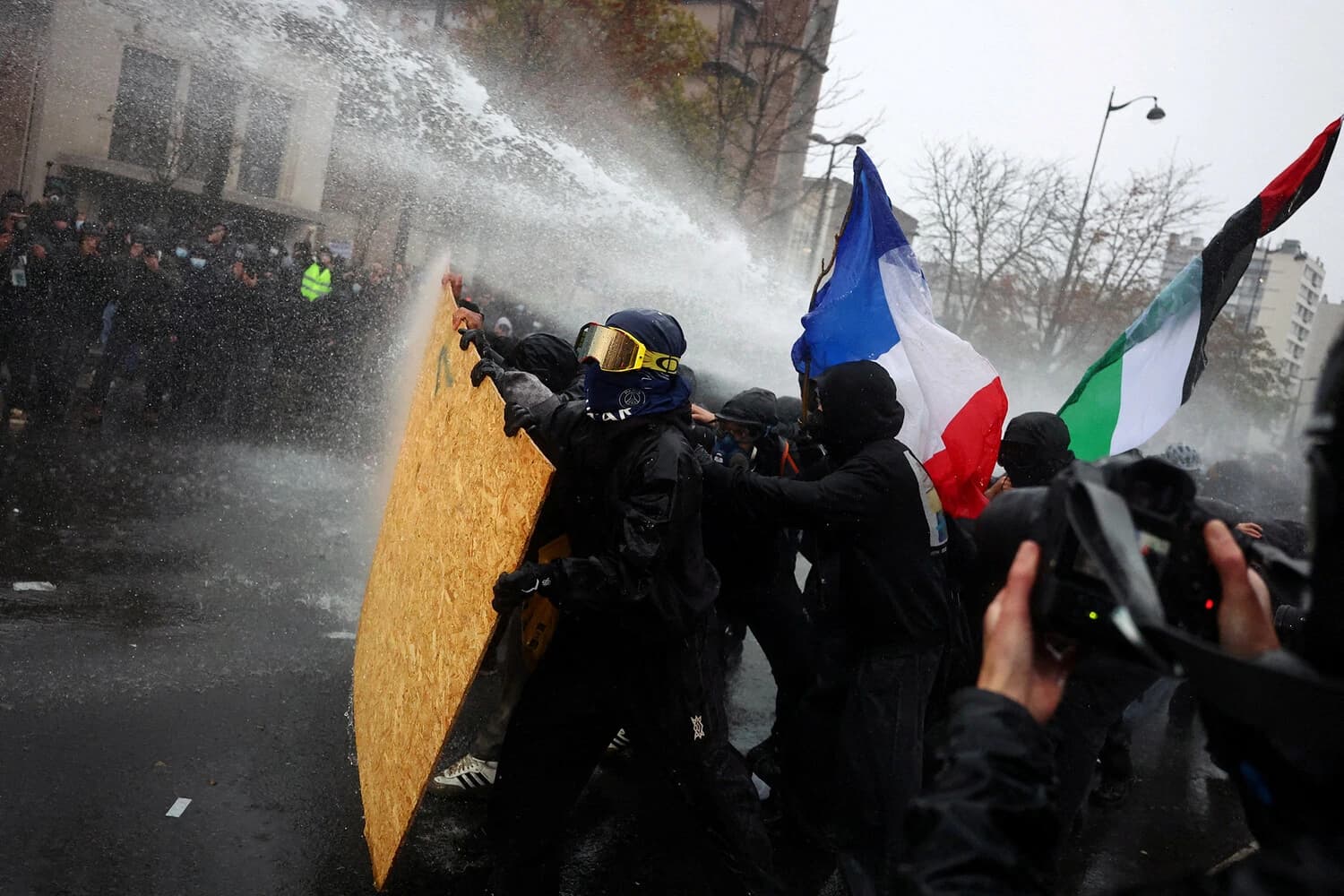
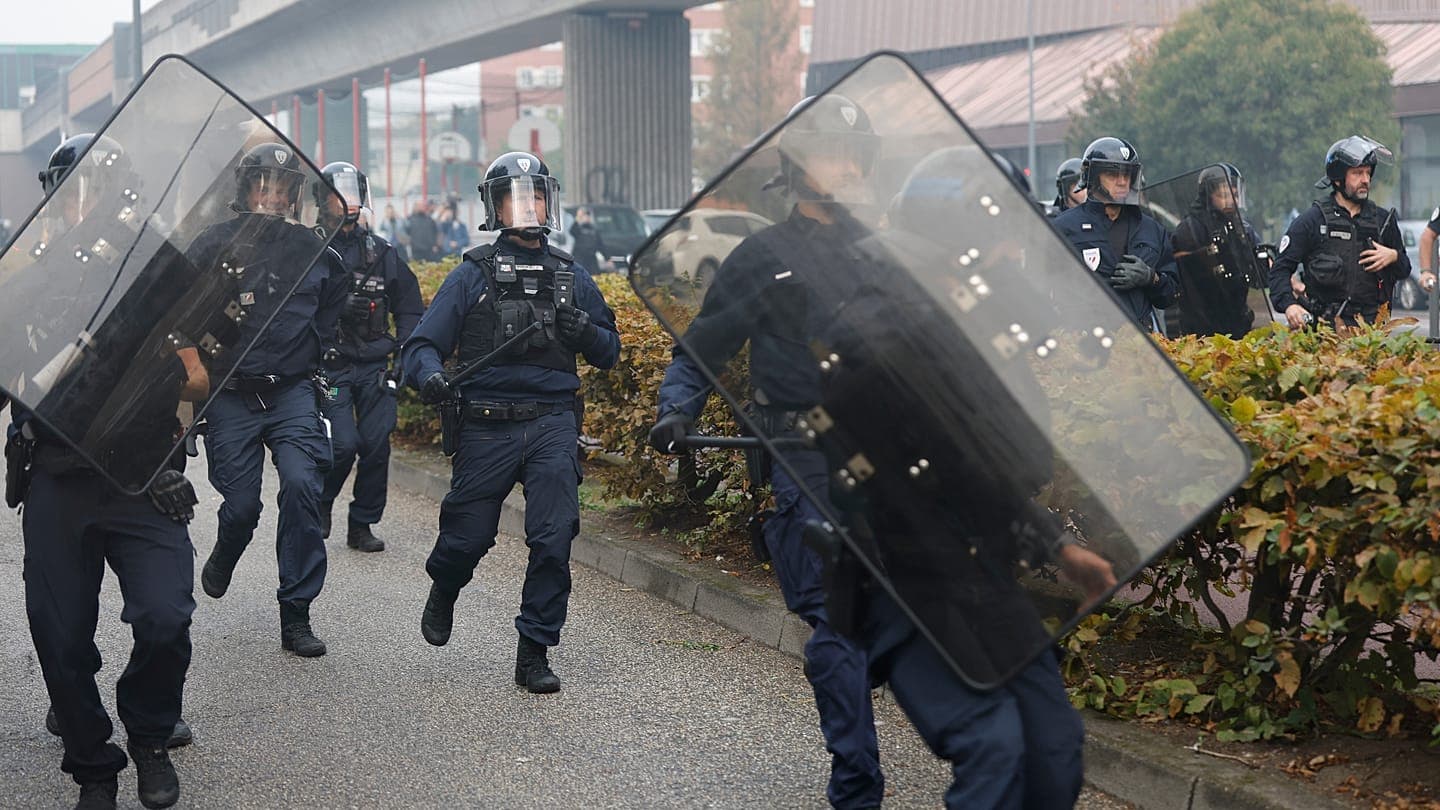
The protests began as a movement of high school students demanding better learning conditions, but grew into a broader wave of discontent fuelled by the rising cost of living and, according to protesters and human rights advocates, the excessive use of police force — especially during the large actions of 17 and 18 October. According to a source close to the case cited by AFP, by 30 October the police had opened 105 internal investigations into allegations of brutality: 52 relate to the high school students' movement, 48 to violence during the mass demonstrations of 17 and 18 October, and five to incidents on 24 October. The lawyers' complaint concerns specifically blast-ball grenade launchers and stun grenades, which human rights organisations have repeatedly criticised for the risk of severe and irreversible injuries; the lawyers argue that the government cannot escape responsibility when police officers use weapons on orders and within the guidelines of the interior ministry.
Political background
The unrest is taking place at a politically sensitive moment — less than six months before the election of a president of France to replace Emmanuel Macron. According to euronews, far-right parties are leading in a number of opinion polls, which increases pressure on a government trying to cope with growing discontent. The scandal has also revived questions about the legality and proportionality of the French approach to crowd control, especially when demonstrations involve young people.