The key facts
- The European Commission recognized the Czech Republic's burden as the highest in the EU relative to population size since February 2022
- Exemption from contributions is not automatic — the Council of the EU will decide
- Bulgaria, Estonia, Croatia, Austria and Poland have received a similar opportunity
A concession following the annual assessment
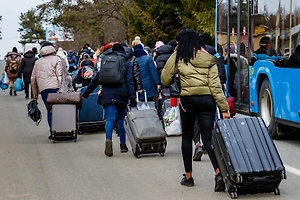
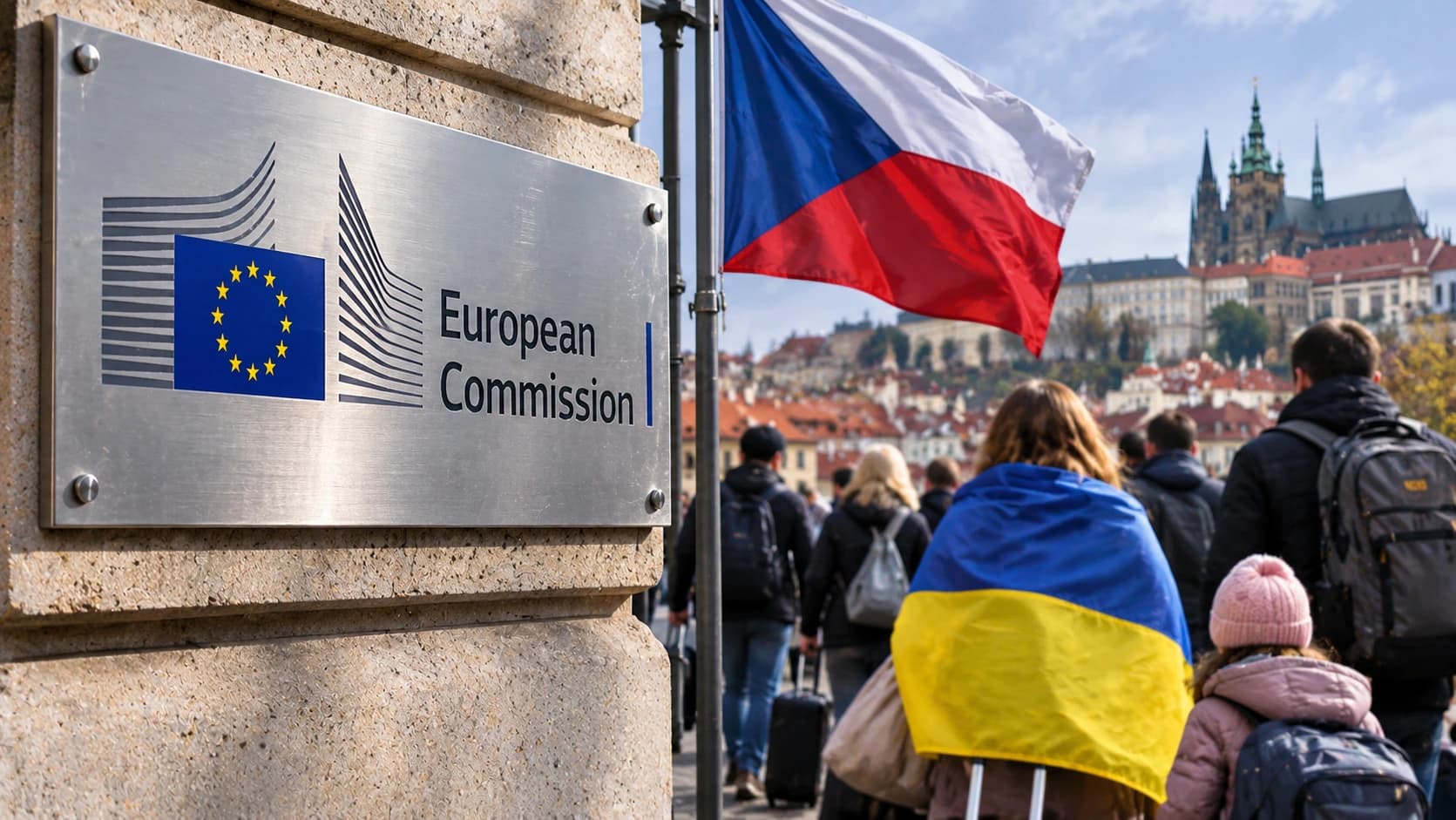
Following its annual assessment of the migration situation in the EU, the European Commission has allowed for a full or partial reduction of the Czech Republic's contributions to the pan-European solidarity mechanism. According to the CTK news agency, citing the Commission's conclusions, since February 2022 the Czech Republic has taken in more Ukrainian refugees relative to its own population than any other EU member state. This is reported by Life.ru.
How the mechanism works and what comes next
The solidarity mechanism envisages that EU countries assist partners facing a large influx of migrants — with money, by accepting a share of asylum seekers, or in other ways. The European Commission's conclusion does not mean automatic exemption: Prague will be able to request a reduction of its obligations for the coming year, but the final decision must be made by the Council of the EU. The terms of the Czech Republic's participation in the mechanism will become known after the member states' obligations for 2027 are agreed. In addition to the Czech Republic, the category of states with a difficult migration situation includes Bulgaria, Estonia, Croatia, Austria and Poland — all of them may also apply for concessions. The Commission has additionally once again classified the Czech Republic as a country under threat of increased migration pressure, which gives it priority access to additional EU support instruments.
Context: Prague is preparing to halve its payments
Against the backdrop of this decision, a reduction in social support for refugees is being discussed within the Czech Republic itself. According to Life.ru, Speaker of the Chamber of Deputies Tomio Okamura said that the ruling coalition has agreed on savings of four billion korunas in benefits for Ukrainian refugees — almost half of current spending. At the same time, it is proposed to tighten checks on benefit recipients and to link payments to actual residence in the country.