The key facts
- Gavin Newsom commuted all 548 of California's death sentences to life imprisonment without the possibility of parole
- According to the LA Times (via DW), the governor can approve about 40% of the decisions on his own, while the rest require the approval of the state Supreme Court
- The death penalty has not been repealed by law: prosecutors retain the right to seek it in future cases
All 548 death sentences have been commuted to life imprisonment
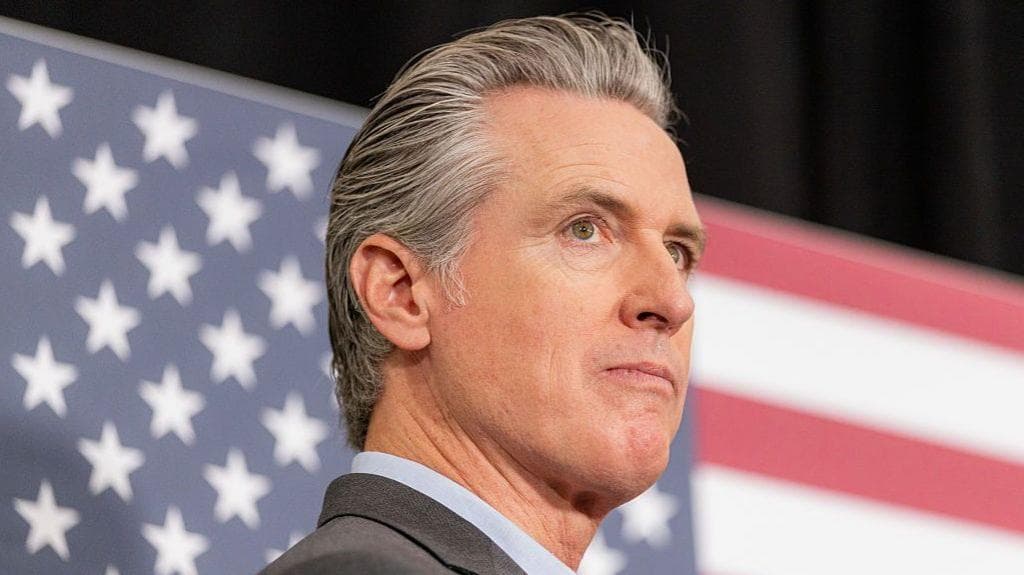
California Governor Gavin Newsom announced on Thursday, November 5, 2026, that all 548 death sentences in the state have been commuted to life imprisonment without the possibility of parole. The decision is set out in an open letter to the residents of California, in which Newsom called 'state-sanctioned killing' incompatible with the state's values and undermining the foundations of the legal system. This was reported by BBC News, Deutsche Welle and Anadolu.
A symbolic but historic decision
The practical significance of the decision is limited by the fact that California has not carried out executions since 2006, and since voters reinstated the death penalty in 1978, only 13 people have been executed in the state, BBC notes. At the same time, according to the Death Penalty Information Center, cited by Anadolu, this is the largest mass commutation of sentences in US history — it more than doubles the total number of death sentence clemencies granted over the past 50 years. Experts, according to the BBC, believe the decision could save millions of dollars in litigation costs annually.
Procedural limits and the fate of the death penalty
Under the California constitution, the governor may not pardon a person convicted of multiple serious crimes without the consent of at least four justices of the state Supreme Court. According to the Los Angeles Times, cited by Deutsche Welle, Newsom can approve about 40% of the sentences on his own, while the rest will require judicial approval. The death penalty provision itself has not been repealed: prosecutors retain the right to seek it in future cases. Newsom, who has had a moratorium on executions in place since 2019 and dismantled the execution chamber at San Quentin, rejected calls to exclude those convicted of especially serious crimes from the clemency, saying this would create 'two classes of victims'.
Reaction and political context
The decision was supported by a coalition of victims' families, prosecutors, former corrections officials, religious figures and human rights advocates, who had previously appealed to Newsom. The California District Attorneys Association had previously spoken out against it, arguing that a mass clemency undermines referendums approved by voters and deprives victims' families of closure. The decision was taken in the final months of Newsom's term, which is limited by term limits: in Tuesday's election, Democrat Xavier Becerra won; he will take office on January 4 and become the state's first Latino governor since 1875. The BBC notes that Newsom is being discussed as a possible presidential candidate in the 2028 election; the article itself does not claim any connection between the decision and this.
 Image source, Getty Images