The key facts
- The congress brought together more than 1,600 in-person participants from 20 countries; the program featured 25 events with over 150 experts.
- Funding for the basic compulsory medical insurance program grew over 20 years from 219 billion to 5 trillion rubles — data from Deputy Prime Minister Tatyana Golikova.
- Eight agreements were signed at the forum’s conclusion, including one between the Ministry of Health and the Russian Science Foundation.
Congress outcomes
The V National Congress “National Healthcare” has concluded in Moscow, bringing together more than 1,600 in-person participants from 20 countries. It was organized by the Russian Ministry of Health and the Roscongress Foundation, with the participation of the Central Research Institute for Healthcare Organization and Informatization. The main theme of the two-day forum was the practical implementation of Russia’s Healthcare Development Strategy through 2030, the organizers reported.
Financing and international format
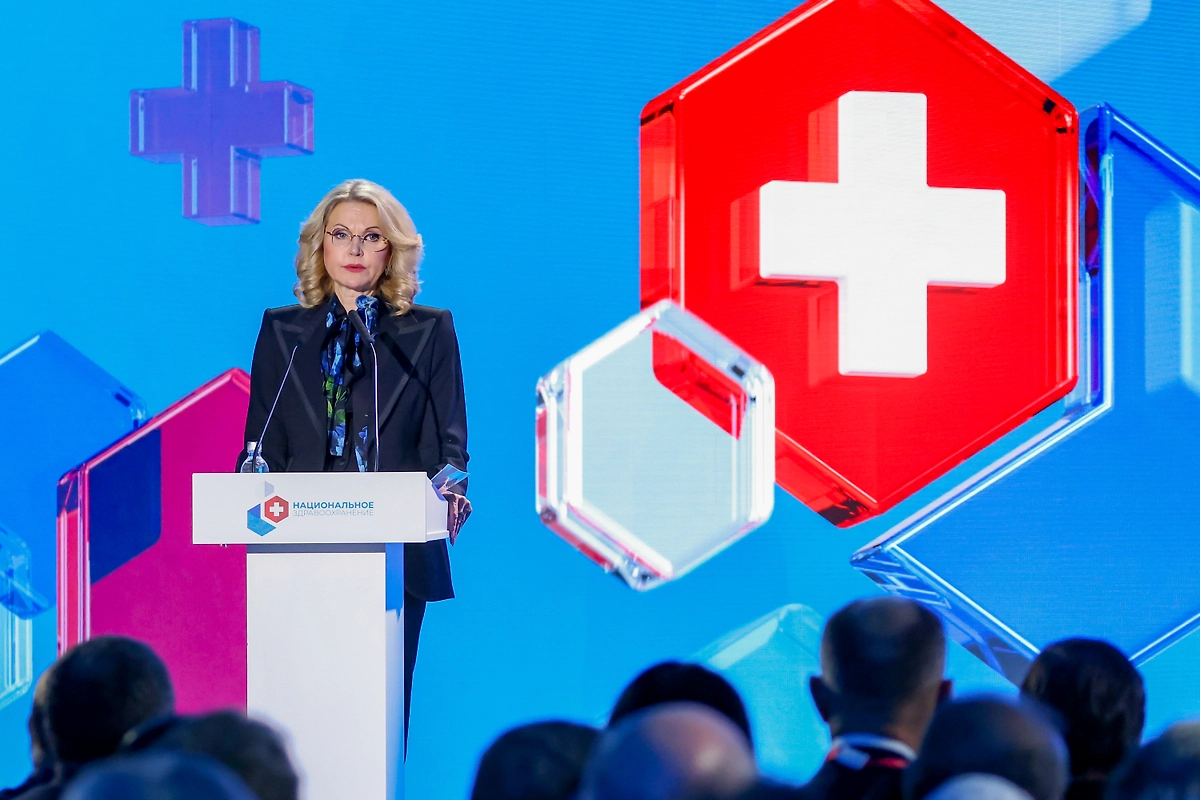
Deputy Prime Minister Tatyana Golikova said at the plenary session that over the past 20 years, funding for the basic compulsory medical insurance program has grown almost 23-fold — from 219 billion to 5 trillion rubles. According to her, the modernization of medical infrastructure and the development of the industry’s workforce potential continue across the country.
Russia–China dialogue and business program
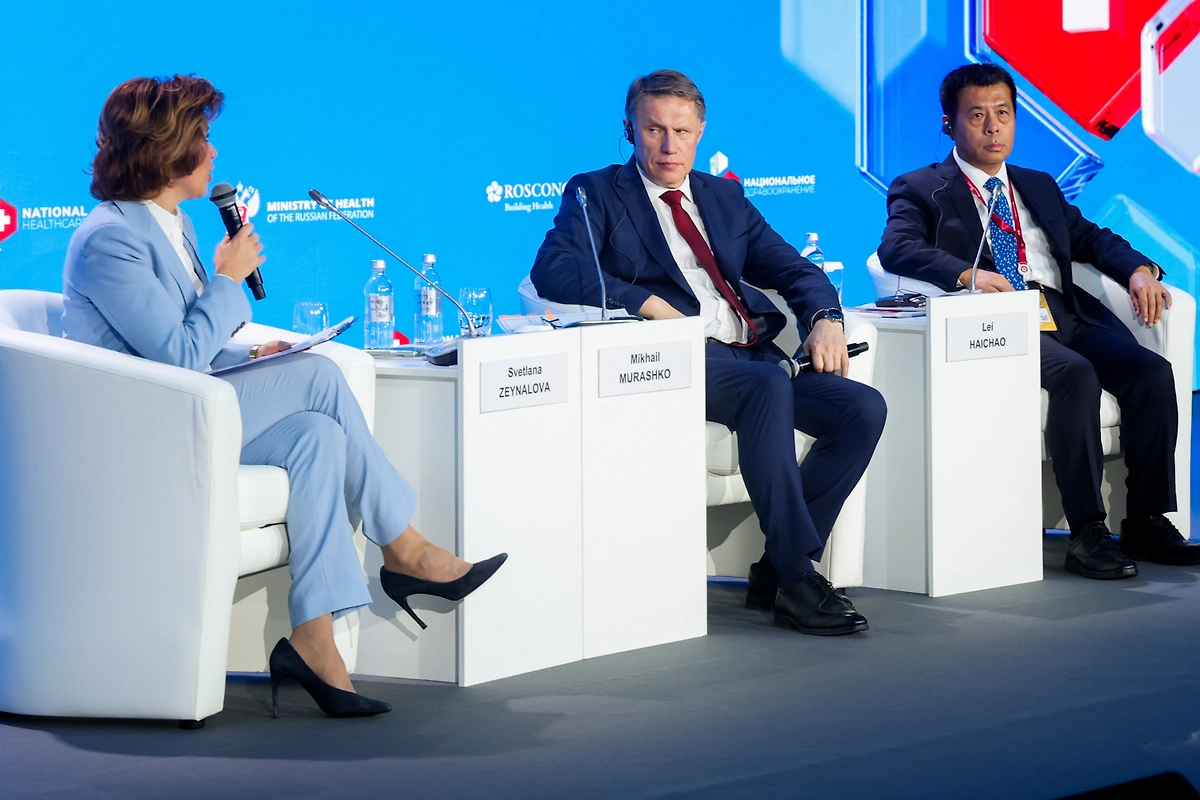
Health Minister Mikhail Murashko discussed national priorities and prospects for cooperation with Lei Haichao, head of China’s National Health Commission. The Russian health minister emphasized that healthcare is the foundation of national security, and that prevention, timely care, and rehabilitation must function as a single system.
Program and agreements
The congress program included 25 events with the participation of more than 150 experts: topics discussed included family health, training of medical personnel, accessibility and safety of treatment, prevention, and new technologies. Even before the forum opened, more than 350 specialists visited 18 medical organizations in Moscow and the Moscow region, including federal research centers, hospitals, and nuclear medicine facilities. At the exhibition, research centers, universities, and companies presented medical developments and equipment.
Results
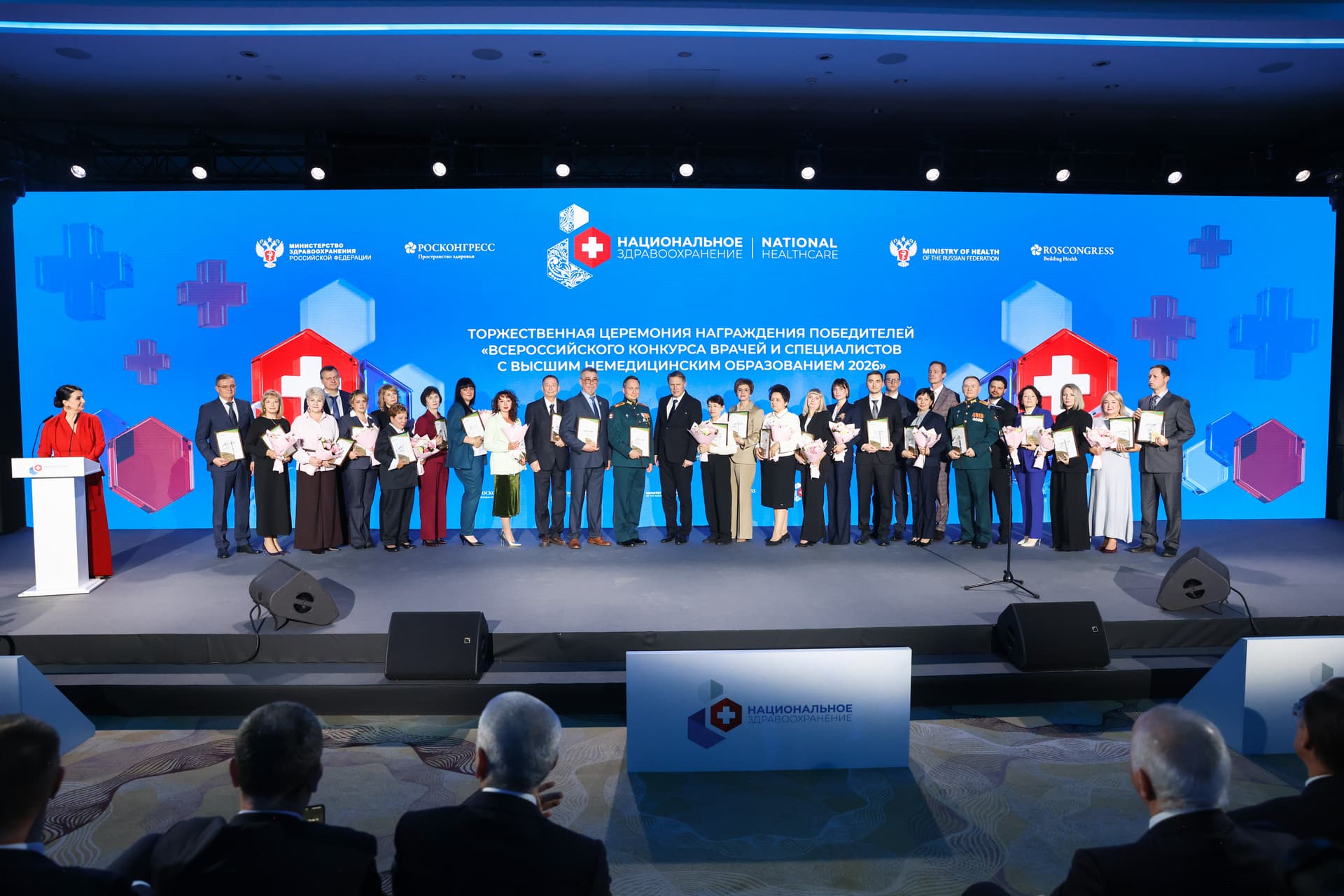
Eight cooperation agreements were signed at the conclusion of the forum. In particular, the Ministry of Health and the Russian Science Foundation agreed to jointly support medical research and the implementation of its results into practice. The congress ended with awards ceremony honoring the best physicians, healthcare workers, young educators, and healthcare organizers.