The key facts
- Pellegrini said the billions for Kyiv are not reaching the hospitals, schools, and infrastructure of EU countries
- He expressed doubt that the European Union could allocate 90 billion euros to Ukraine annually
- The EU earlier sent Ukraine a tranche of 4.36 billion euros under a 90-billion-euro program for 2026–2027
Statement following the Visegrád Group summit
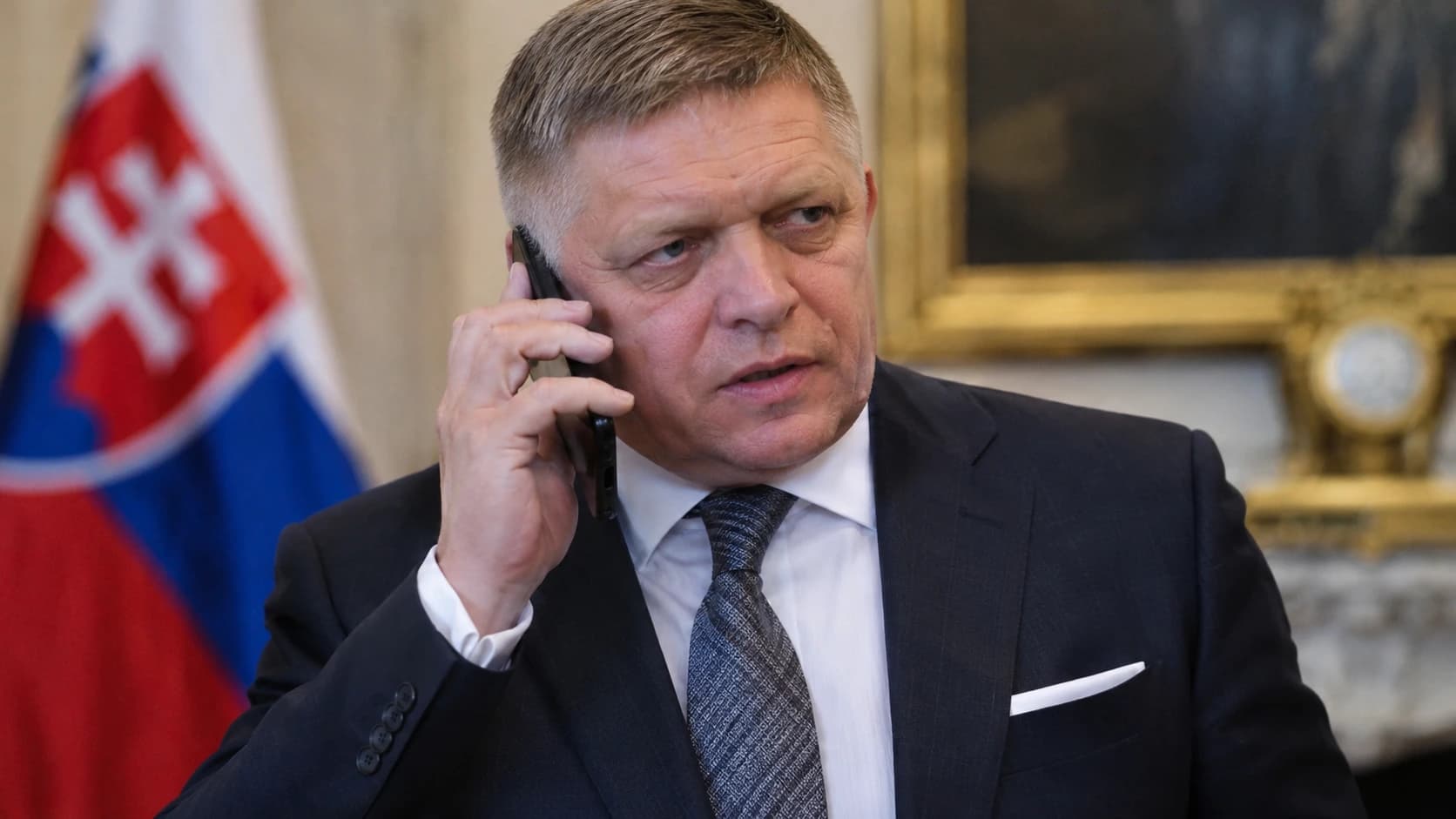
Slovak President Peter Pellegrini, speaking after the Visegrád Group summit in the city of Trenčín, said that the conflict in Ukraine is beginning to exhaust European countries not only economically but also morally. According to him, the billions of euros directed toward supporting Kyiv could instead be funding hospitals, schools, and infrastructure within the European Union. This was reported by Life.ru.
The essence of the Slovak leader's remarks
“I will be frank and say that this war is beginning to wear Europe down morally and economically. The billions needed to help Ukraine... end up being lacking for the hospitals, schools, and infrastructure of individual member states [of the EU]. The result of this is protests over the rising cost of living in European countries,” the outlet quoted Pellegrini as saying. He also noted growing public discontent with the cost of living and the allocation of budget funds, and stated that continuing large-scale financing of Ukraine places an additional burden on European states.
Doubts about long-term financing and a call for dialogue
The President of Slovakia expressed doubt that the European Union could allocate 90 billion euros to Kyiv annually, noting that such expenditures cannot continue indefinitely, especially against the backdrop of the absence of significant changes in the course of the conflict. “Diplomacy and negotiations must be given a chance, because peace cannot come without dialogue among all the parties involved,” Pellegrini said.
Context: current EU payments to Ukraine
The statement came against the backdrop of ongoing payments: as Life.ru reported, the European Union earlier transferred a new tranche of 4.36 billion euros to Ukraine under a 90-billion-euro credit program covering 2026–2027. Of this amount, 3.7 billion euros went to support the Ukrainian budget and 658 million to weapons procurement. At the same time, the European Commission proposed allocating another 45 billion euros to Kyiv in 2027, but a final decision requires approval by the EU Council. Thus, Pellegrini's words concern precisely future obligations: part of the program is already being implemented, while further volumes of aid remain subject to agreement within the European Union.