The key facts
- The Russian Ministry of Education plans to equip kindergartens with domestic toys, including designs by winners of the 'Native Toy' competition
- Previously, the ministry was working on legally establishing procedures for expert evaluation of games and toys for kindergartens
- In February, discussions took place regarding a list of toys aligned with 'traditional values', including matryoshka dolls, rocking toys, Gzhel, and Khokhloma patterns
Task for Kindergartens
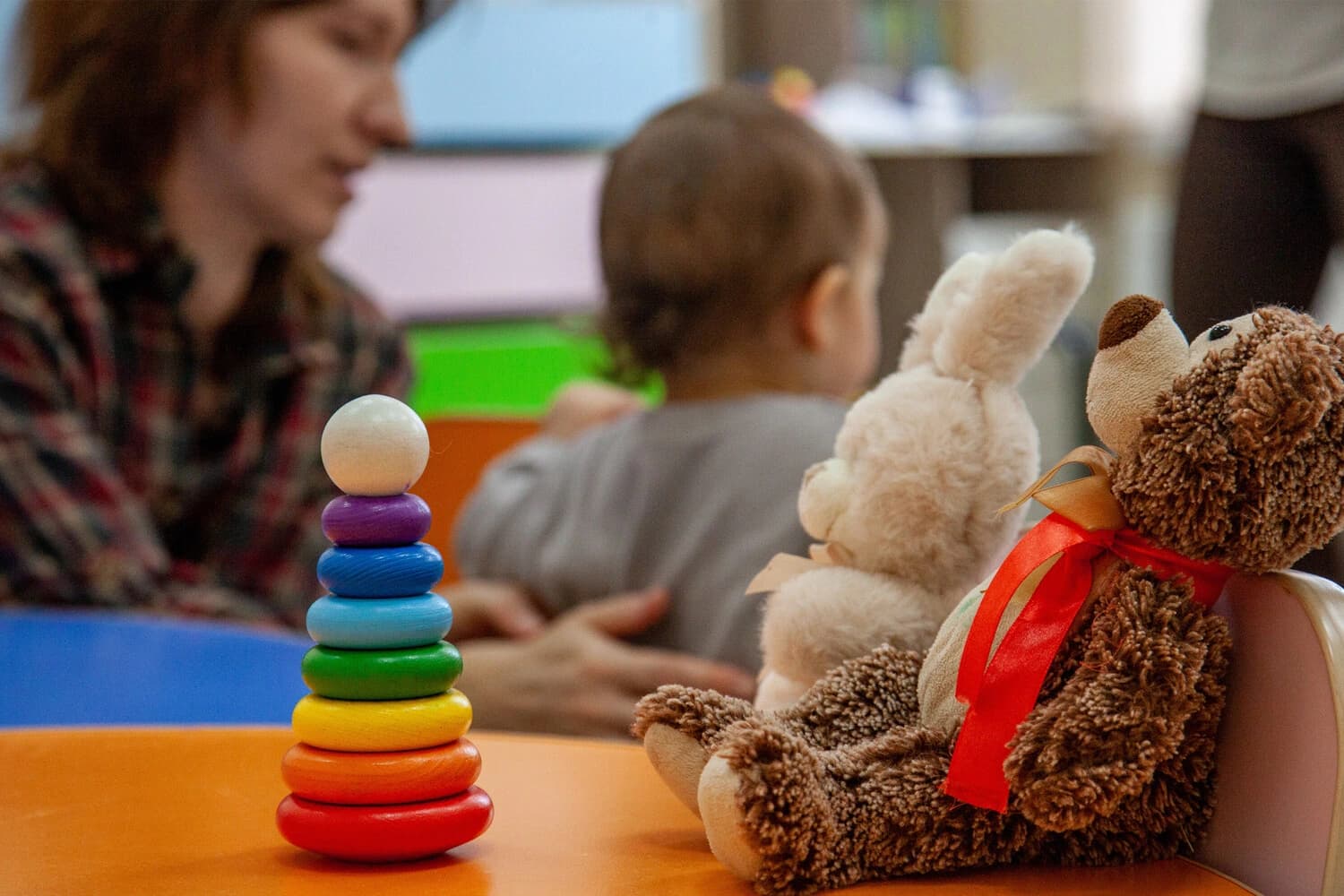
The Russian Ministry of Education plans to equip kindergartens with domestically produced toys. This was announced by the head of the ministry, Sergey Kravtsov, according to RIA Novosti (based on materials from Gazeta.Ru). According to him, the task is to 'maximally' equip preschool institutions with Russian products, especially within the framework of capital repair and construction programs for kindergartens. In this process, designs by winners of the 'Native Toy' competition will be utilized.
How the Topic Developed
The news from November 5 continues a series of statements published throughout the year. Previously, Kravtsov stated that the Ministry of Education was working on legally establishing procedures for expert evaluation of games and toys for kindergartens. In February, the then-head of the State Duma Committee on Civil Society Development, Yana Lantratova, stated that kindergartens need matryoshka dolls, rocking toys, Gzhel, and Khokhloma patterns. Kravtsov, in those same days, mentioned that Russia intends to create a list of games and toysaligned with 'traditional values': according to him, these will help children learn about historical figures, cultural traditions, folk arts and crafts, and achievements of the Russian Federation.
What Is Known and What Remains Unclear
Thus, the November statement clarifies previous initiatives: instead of discussing a list and expert evaluation, the focus is now on a practical task — purchasing domestic toys within the framework of capital repairs and construction of kindergartens. However, the publications do not specify whether the law on toy expert evaluation has been adopted, whether the list itself has been approved, or within what timeframe the re-equipment of institutions is planned. The material also mentions, unrelated to the main topic, that previously the State Duma proposed banning fast-food advertising involving children.